Where Construction Runoff Goes After a California Storm
Green Hive Editorial Team
March 26, 2022
Rain basins, airtight walls and swamp coolers save resources in Tucson, but monsoon storms can push water inside. Here is how to harvest rain and keep a green home dry.

Green Hive is reader-supported. When you purchase through links on our site, we may earn an affiliate commission. To understand our thorough approach to rating brands and products, explore our comprehensive methodology.
Green Hive is reader-supported. When you purchase through links on our site, we may earn an affiliate commission. To understand our thorough approach to rating brands and products, explore our comprehensive methodology.
Eco-minded Tucson homeowners tend to love the monsoon. One summer storm can fill a cistern and soak a basin of native plants. The same storm can also drive water under a door, through a cracked roof seal or into a wall cavity. Green upgrades make a desert home lighter on the planet, yet some of them change where that water goes.
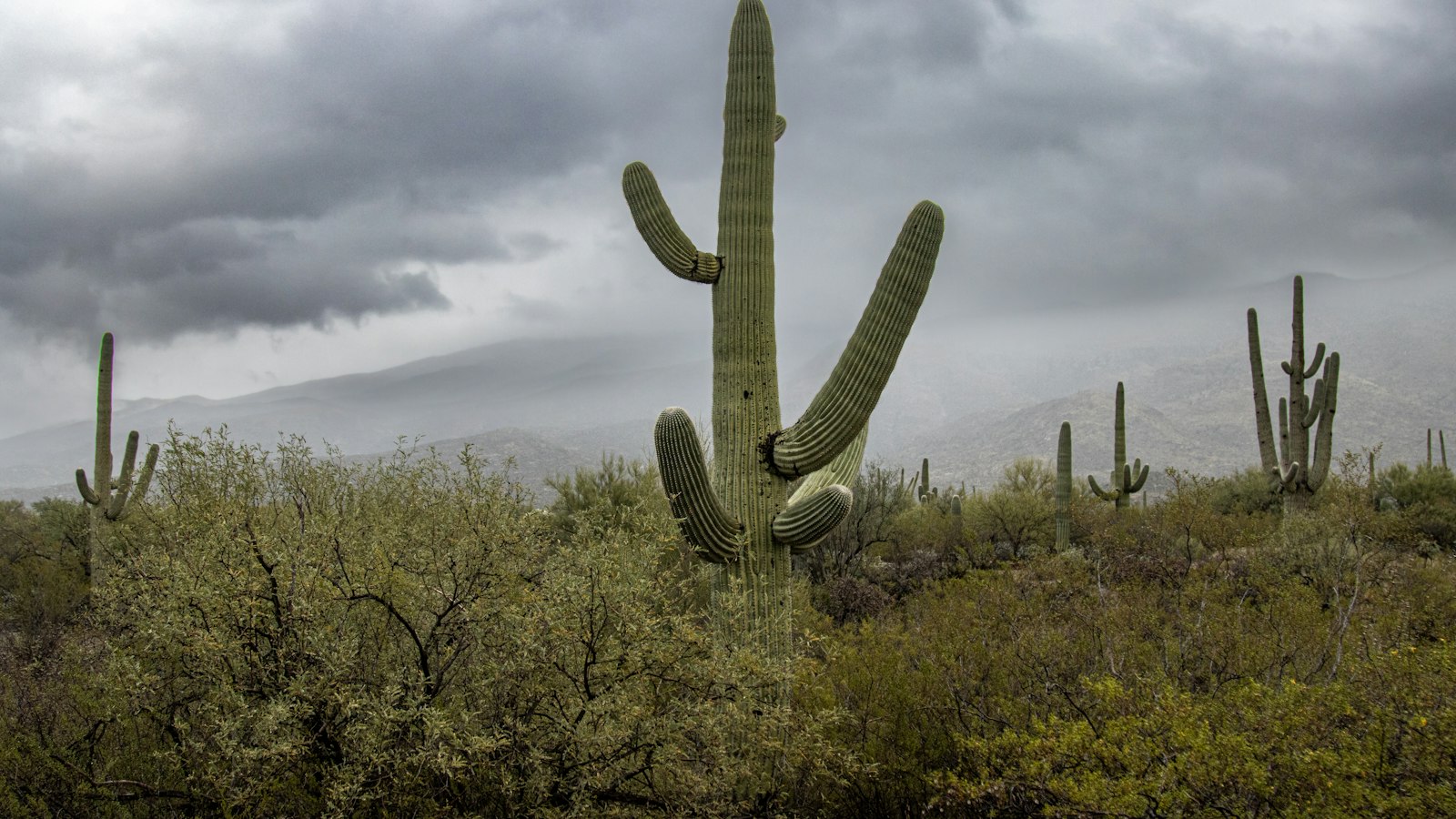
Most of the year, Tucson air is dry. Summer storms change that for a few weeks at a time. Heavy rain arrives fast, often after long dry spells, and humidity climbs inside homes that were built for heat rather than wet weather.
Rainfall also swings sharply from year to year. The Arizona State Climate Office reported that Tucson finished the 2025 monsoon with just 50% of its average monsoon rainfall. A dry season can lull owners into skipping roof and gutter checks, so a wet year then finds every weak seal at once.
Mold needs three things, says an Arizona Department of Health Services indoor air fact sheet: food such as wood or paper, moisture and a place to grow. Desert homes supply the first and third all year. The monsoon supplies the second.
None of these upgrades is a bad idea. Each one moves water or air in a new way, so check it after the first big storm.
Regular air conditioning maintenance cuts energy waste through clean coils and filters. A clear drain line also keeps condensate out of the ceiling.
Tucson actively pays residents to catch rain. The city's rainwater harvesting rebate is worth up to $1,999 per property. Direct roof runoff earns the higher per-gallon rate when the system stores at least 1 inch of rainfall from the collecting roof area. Systems of 800 gallons or more also come with a planting requirement.
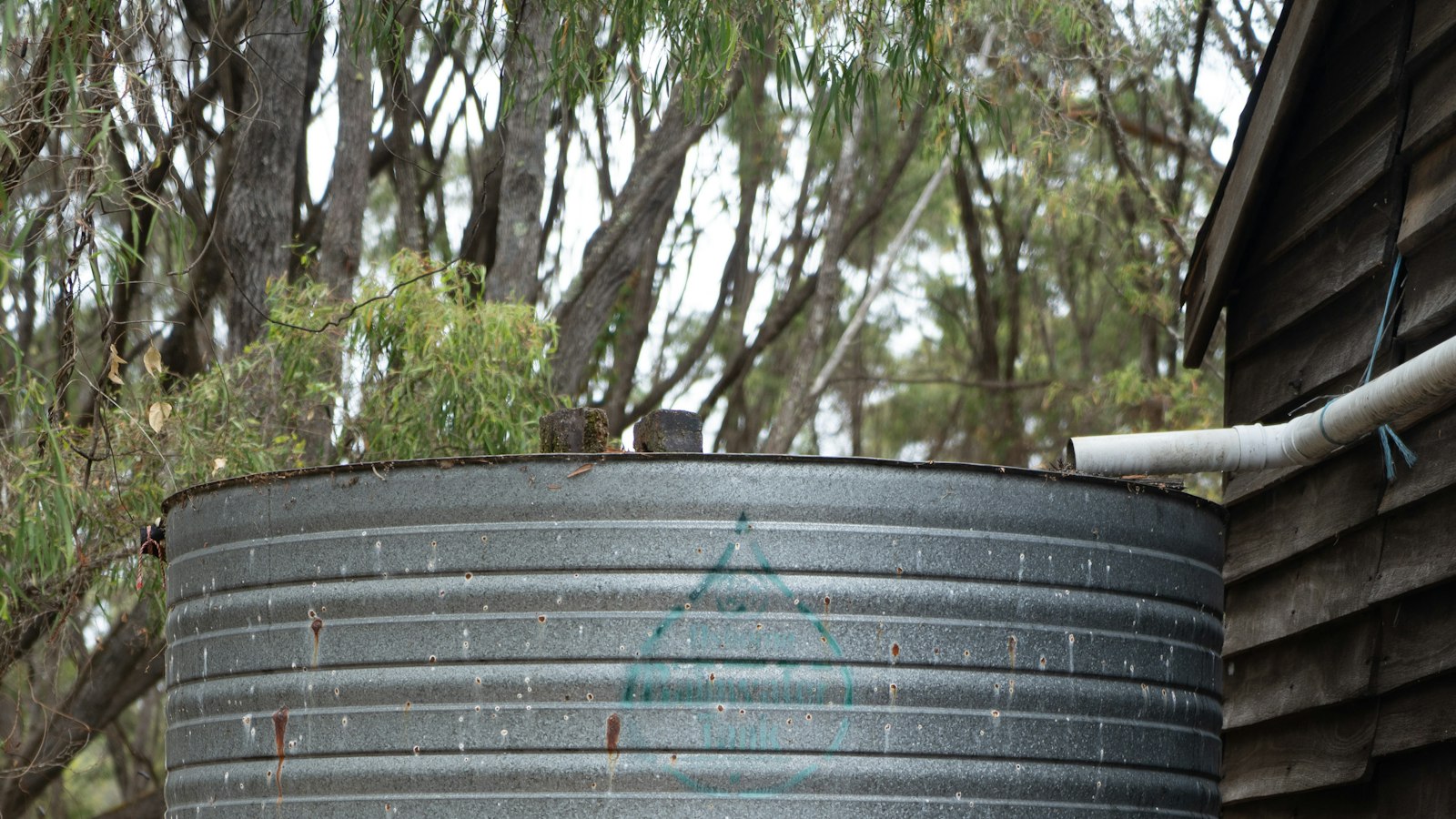
Applicants must first take a qualifying workshop with Watershed Management Group. The site plan must show roof runoff and ground flow toward each basin. That is the moment to steer water away from the house.
A full tank spills somewhere during a long storm. Point the overflow pipe toward a basin set well away from walls, and check that the ground still slopes away from the building. Small fixes like these sit alongside the other home maintenance habits that keep a sustainable house running well.
Walk the house within a day of a heavy storm. The EPA advises drying water-damaged areas and items within 24 to 48 hours to prevent mold growth. Here is a simple route.
After cleanup, the ADHS fact sheet advises letting the area dry for 2 or 3 days. If a room flooded, it also says to remove sheetrock to at least 12 inches above the high water mark.
The ADHS does not recommend testing as the first step to find a mold problem. Its simple rule: if you can see or smell mold, you have a problem. An inspection earns its place when the source is hidden or the stakes are higher.
Before a new cistern or tighter shell goes in, some owners book a mold inspection with Fast Mold Testing, a test-only Tucson inspector. A baseline gives you a "before" picture. If a damp patch appears later, you can tell whether the upgrade caused it.

Fast Mold Testing's Tucson team starts with a pre-inspection survey of about 10 minutes covering past water damage. The visit adds visual and infrared screening, moisture detection, and air and surface samples where mold is suspected. Samples go to an AIHA-accredited lab, and the company says lab-backed reports typically arrive within 2 business days of the inspection. Because it does not sell remediation, its findings are not tied to a cleanup sale.
Health is the other reason to act early. The ADHS lists infants, children, older adults and pregnant women among those at higher risk. People with weakened immune systems or respiratory conditions are on the list too. Anyone with symptoms should talk to a doctor.
A green home in Tucson should save water without storing it in the walls. Plan every overflow path, recheck seals after each wet season and keep coolers clean. Treat a musty smell as a clue worth tracing.
Arizona's climate office tracks the monsoon from June 15 to September 30. Rainfall varies a lot from one year to the next, so plan for a wet season even after a dry one.
Harvesting itself does not cause mold. Problems start when a basin or overflow sends water toward the foundation or walls. Keep basins away from the house and check that the ground slopes outward.
Usually not as a first step. Arizona health officials advise fixing the moisture source and cleaning visible mold. Testing and inspection help most when the source is hidden or you need a baseline.
They can if they leak or are poorly maintained. Coolers add moisture to indoor air by design. Check the pan, pads and roof deck around the unit each season.
Arizona Department of Health Services. (n.d.). Mold facts. https://www.azdhs.gov/documents/preparedness/epidemiology-disease-control/childrens-environmental-health/mold-facts.pdf
Arizona State Climate Office. (2026, February 5). Arizona climate summary: Monsoon 2025. Arizona State University. https://globalfutures.asu.edu/azclimate/wp-content/uploads/sites/35/2026/02/Monsoon2025.pdf
City of Tucson. (n.d.). Rainwater harvesting rebate. Tucson Water. https://www.tucsonaz.gov/Departments/Tucson-Water/Conservation/Residential-Customer-Rebates/Rainwater-Harvesting-Rebate
U.S. Environmental Protection Agency. (n.d.). A brief guide to mold, moisture, and your home. https://www.epa.gov/mold/brief-guide-mold-moisture-and-your-home
U.S. Department of Energy. (n.d.). Evaporative coolers. Energy Saver. https://www.energy.gov/energysaver/evaporative-coolers