
.png)

Sustainable Aging in Place: Eco-Friendly Home Safety
Green Hive Editorial Team
March 26, 2022
Sustainable living often starts with unglamorous basics: clean water, tight pipes, and smart maintenance. Here is how small home habits cut waste, save energy, and support a greener household.

Green Hive is reader-supported. When you purchase through links on our site, we may earn an affiliate commission. To understand our thorough approach to rating brands and products, explore our comprehensive methodology.
Green Hive is reader-supported. When you purchase through links on our site, we may earn an affiliate commission. To understand our thorough approach to rating brands and products, explore our comprehensive methodology.
Sustainable living sounds fancy, but it often starts with very unglamorous stuff. Clean water, tight pipes, dry walls, and appliances that do not act like drama queens. Household leaks in the United States waste nearly 900 billion gallons of water each year.
When water quality drops or maintenance slips, homes waste more water, more energy, more money, and a lot more patience.
Water quality affects much more than the glass on your kitchen table.
It shapes how well your plumbing works, how long appliances last, and how much soap, detergent, and energy your household uses. Safe drinking water supports health, daily life, and broader economic well-being.
At home, poor water quality can lead to scale buildup, stains, odd smells, and extra wear on fixtures. None of that feels very “eco-friendly.” It usually means more cleaning products, more repairs, and earlier replacement of equipment.
A tiny drip looks harmless right up until you remember that water bills arrive every month with zero sense of humor.
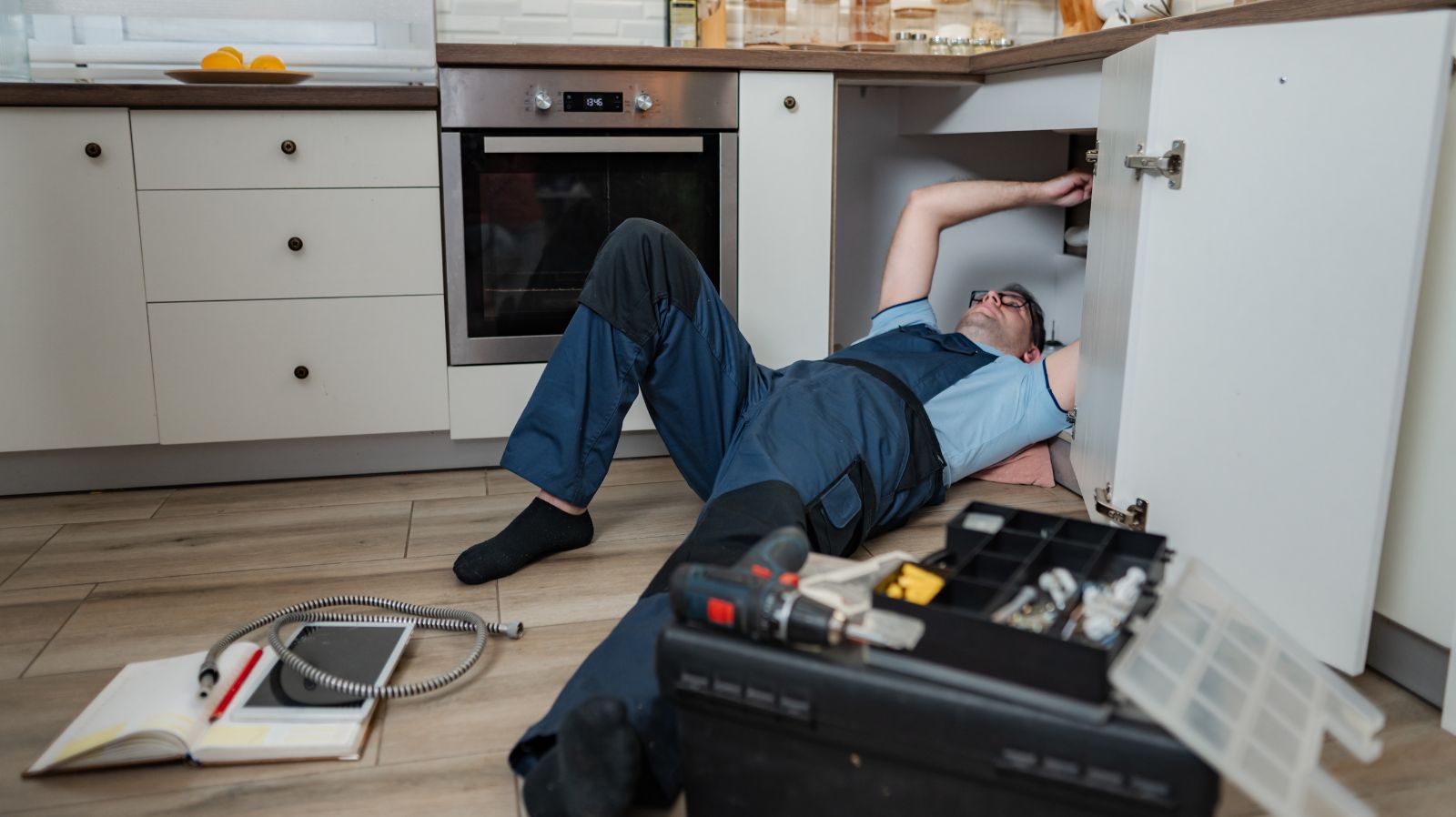
Routine inspections of faucets, toilet flappers, supply lines, and shutoff valves can prevent water waste and expensive repairs. When problems grow past the DIY stage, professional water damage restoration services help limit structural damage and keep a leak from turning into mold, ruined materials, and a wallet-crushing mess.
Leak control is not glamorous, but neither is paying for damage you could have stopped with a five-minute check.
A sustainable home does not need to feel like a campsite. Better fixtures can reduce waste while still doing their job well. Labeled showerheads, toilets, and faucet aerators use at least 20 percent less water than standard models while meeting performance standards.
Toilets deserve special attention because they account for a large share of indoor water use. Replacing older toilets with WaterSense-labeled models can reduce toilet water use by 20 to 60 percent, with major annual savings in both water and utility costs.
That means sustainability does not always require a grand lifestyle overhaul. Sometimes it just asks you to stop flushing money down the drain. Literally.
People often treat water and energy as separate topics, but homes do not work that way.
A neglected water heater with sediment buildup needs more energy to heat water. A leaking hot-water line wastes both water and the energy used to heat it. Damp insulation or hidden moisture can also reduce thermal performance and push HVAC systems to work harder.
Flush the water heater when appropriate, insulate pipes, fix hot-water leaks quickly, and replace worn parts before they trigger bigger failures. Maintenance may feel boring, but boring systems usually run cheaper and cleaner.
One roof leak or plumbing issue can do more environmental damage than people expect. Wet drywall, damaged flooring, swollen cabinets, ruined insulation, and moldy framing often lead straight to the landfill. That creates extra material waste, extra transport, and extra replacement costs.
At the home level, keep gutters clear, direct water away from the foundation, reseal vulnerable areas, and inspect basements, crawlspaces, and attics before a small issue grows teeth.
The greener choice often comes down to preservation, not replacement.
Sustainable living often gets marketed with solar panels, designer compost bins, and photos of minimalist countertops. Real life usually looks more like shorter showers, smarter laundry habits, and fewer mystery drips under the sink.
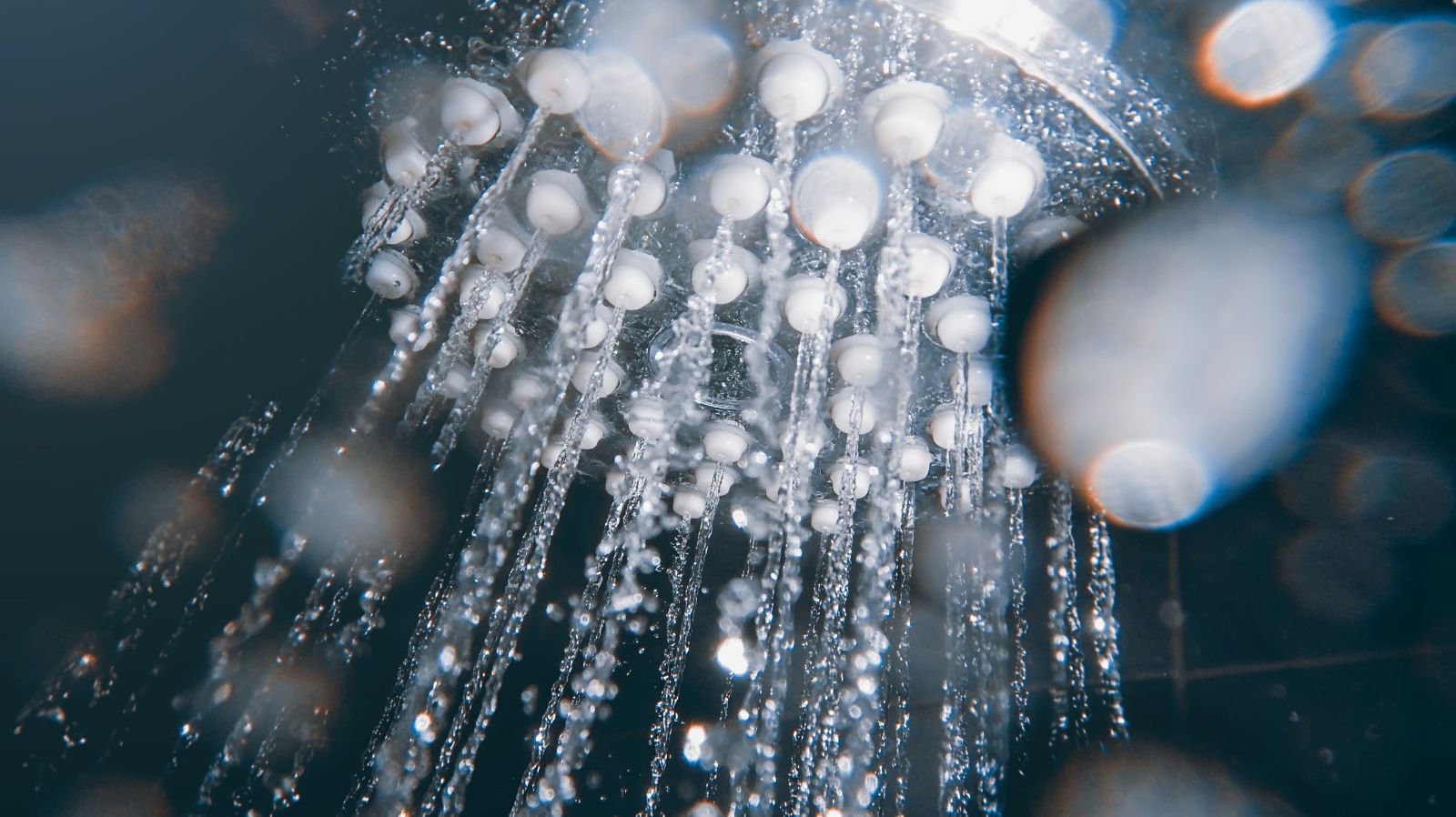
EPA data shows that about 70 percent of household water use takes place indoors, with bathrooms as the largest source.
That gives homeowners a clear roadmap.
These steps sound almost too basic, but that is the point. Sustainability works best when it fits normal life instead of turning every Tuesday into an environmental science project.
Home maintenance does not just protect one property. It supports a larger goal around water security and responsible resource use.
The UN’s Sustainable Development Goal 6 calls for better water efficiency, wastewater treatment, and safe reuse because water quality and water access shape public health, ecosystems, and long-term resilience.
That global goal can feel huge, but homes still matter. Every repaired leak, efficient fixture, and prevented moisture problem reduces demand on water systems and lowers waste at the household level.
No single homeowner saves the world with one wrench and a new toilet flapper. Still, enough homes making better choices can move the needle. Also, a silent pipe at 2 a.m. is a gift to humanity.
A sustainable home does not rely on buzzwords. It relies on habits.
Test concerns with your water quality when signs appear. Repair leaks early. Upgrade outdated fixtures. Protect the house from moisture. Maintain appliances before they burn more water and energy than they should.
That approach helps your budget, your comfort, and the systems your home depends on every day. Clean water and solid maintenance may not look exciting on social media, but they do the heavy lifting.




.svg)
