
.png)

Sustainable Aging in Place: Eco-Friendly Home Safety
Green Hive Editorial Team
March 26, 2022
Non-invasive healthcare like chiropractic care offers a lower-footprint path to wellness, reducing reliance on pharmaceuticals and resource-heavy surgical interventions.

.jpg)
Green Hive is reader-supported. When you purchase through links on our site, we may earn an affiliate commission. To understand our thorough approach to rating brands and products, explore our comprehensive methodology.
Green Hive is reader-supported. When you purchase through links on our site, we may earn an affiliate commission. To understand our thorough approach to rating brands and products, explore our comprehensive methodology.
There is a profound sense of freedom that comes when the body finally moves without hesitation.
There is a profound sense of freedom that comes when the body finally moves without hesitation. We often forget that our physical frame is a masterpiece of engineering designed for fluidity, not the rigid, seated postures our modern world demands. Restoring that natural movement is becoming a priority for those looking to reclaim their vitality through practices that respect the body's own mechanics.
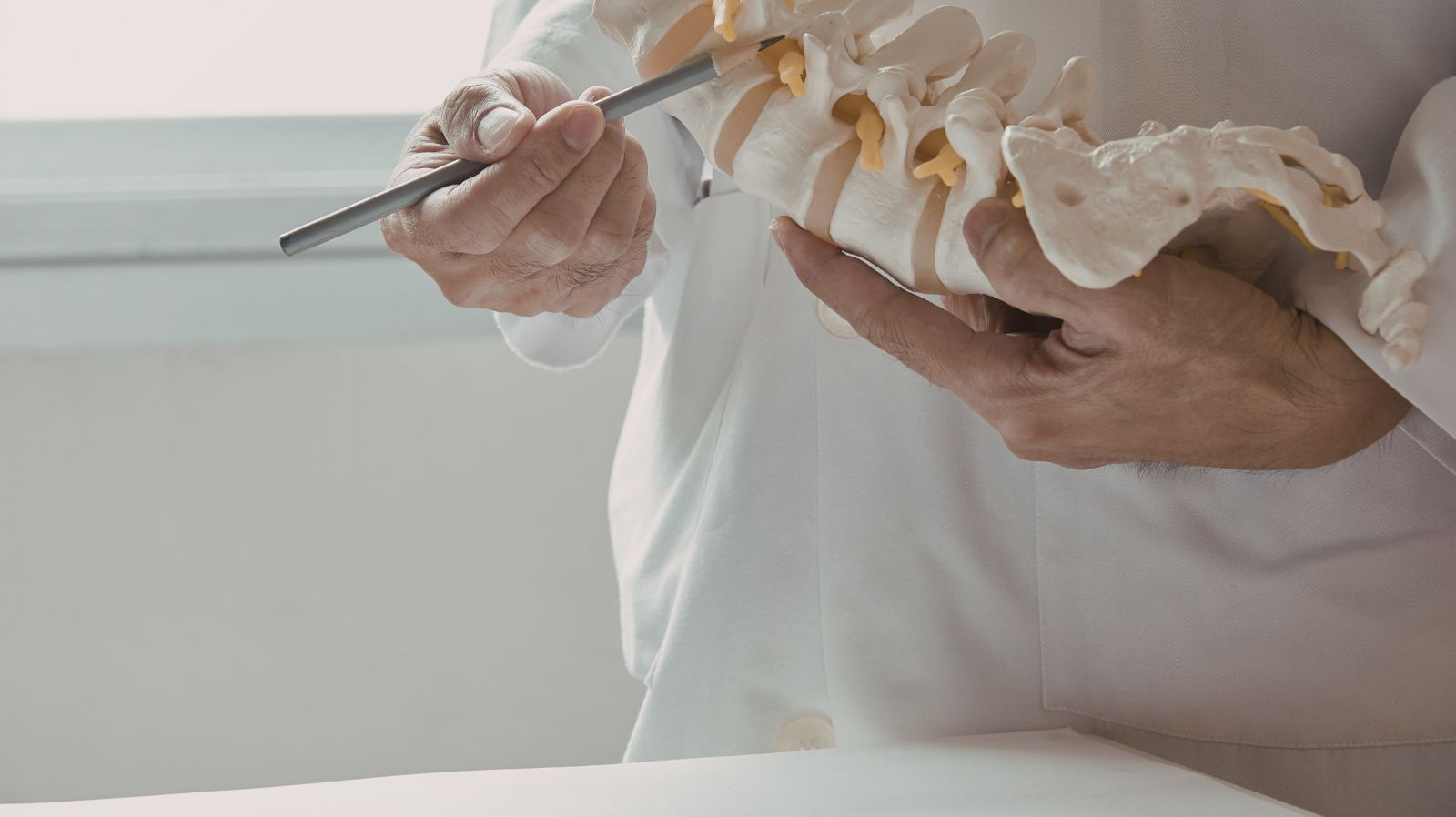
At the same time, healthcare is one of the most resource-intensive industries on the planet. The pharmaceutical sector alone generates significant carbon emissions, plastic packaging waste, and chemical runoff that enters waterways through both manufacturing and consumer disposal. Non-invasive therapies offer a quieter, lower-footprint path to wellness, one that works with the body rather than relying on manufactured interventions.
Most of us spend our days in a battle against gravity and poor ergonomics. This constant strain creates a sort of "mechanical rust" in our joints, where movement becomes a series of compensations rather than a smooth flow. Reclaiming our range of motion is not just about fitness; it is about allowing the body to function as it was intended.
Our body does not work in isolation; it functions through interconnected chains of muscle and bone. A tension in the neck can often be traced back to a misalignment in the lower back or even the way we stand. When we address these structural shifts, we allow the entire system to breathe and move with significantly less effort.
Before chronic pain sets in, the body usually sends subtle signals like stiffness or a loss of flexibility. Non-invasive healthcare focuses on tuning back into these signals and correcting the "drift" before it becomes a permanent issue. By sharpening our internal awareness, we can maintain our physical independence long into the future.
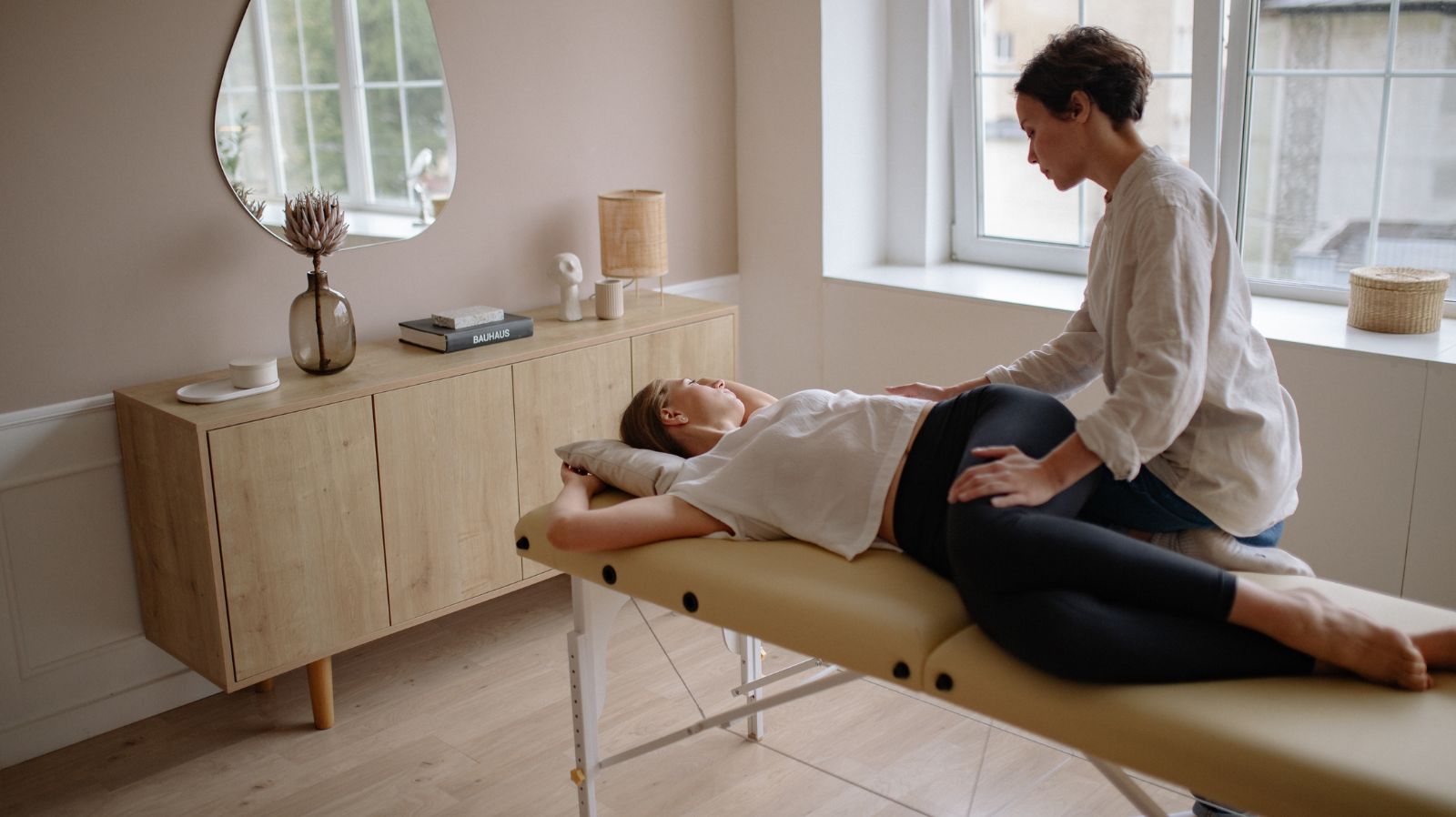
When we talk about manual recovery, it is important to understand what chiropractic treatment really is in its simplest form. It is a hands-on approach to wellness that centers on the relationship between your structure, primarily the spine, and how your nervous system functions. It operates on the belief that a well-aligned body is a self-healing body.
At its heart, a chiropractor is someone using their hands to work with your spine and nervous system to bring change to your body. They use precise, gentle pressure to encourage joints to return to their natural position and movement. This is not about "cracking" bones, but rather about inviting the body to release the tension it has been holding onto for far too long.
Think of your spine as the gateway for your body's communication. When everything is aligned, signals flow effortlessly, but a slight structural shift can cause that connection to fray, leaving you feeling stiff or out of sync. This is where we see what chiropractic treatment really is: it is the art of restoring that internal dialogue. By easing the physical pressure on the nerves exiting the spine, a chiropractor allows your brain and muscles to talk to each other without interference. This simple reset is often all the body needs to rediscover its natural efficiency and move with ease once again.
The primary benefit from chiropractic is the restoration of your body's natural rhythm. When the spine is aligned, the secondary muscles that were overworking to compensate for a "stuck" joint can finally relax. This shift does not just reduce pain; it often improves sleep, energy levels, and overall physical performance.

Deciding on a treatment path is a personal journey. There is often a concern if you need chiropractic or not, and the answer usually lies in the nature of your discomfort. If your issues feel structural, like a dull ache that will not go away or a joint that feels "off," manual therapy is a strong candidate. However, if you are dealing with a fresh injury like a torn ligament, other medical interventions might be more appropriate.
Manual adjustments are incredibly effective, but they are part of a larger toolkit of wellness. For some, a combination of chiropractic care and soft-tissue work like massage or yoga provides the best results. It is always worth exploring whether a gentler, more exercise-focused approach might be better options depending on your current level of bone density and overall health.
Many people turn to non-invasive practices when they realize that a "pill for every ill" approach is not solving the root cause. While medication can be a lifesaver for acute issues, it often acts as a silencer for the body's alarm system without fixing the broken window. When the drugs not help, it is usually because the problem is mechanical rather than chemical.
A painkiller might numb the sensation of a pinched nerve, but it cannot physically move a vertebra back into alignment. This is where the shift toward non-invasive care becomes so vital. When we stop masking the symptoms and start addressing the structural blockage, we give the body a chance to stop screaming for help.
Relying solely on medication for structural pain can sometimes lead to a cycle of increasing doses and decreasing results. There is also a growing environmental concern: pharmaceutical manufacturing is energy-intensive, generates chemical waste, and contributes to waterway contamination when unused medications are improperly disposed of. Choosing a non-invasive path allows you to step away from the pharmacy and back into your own physical power. It is about building a body that is resilient enough to heal itself from the inside out, with fewer external inputs and a lighter environmental footprint.

Because this work is so personal and physical, the importance of finding a good chiropractor cannot be overstated. You want a practitioner who listens as much as they adjust. A great chiropractor will take the time to understand your lifestyle, your past injuries, and your specific goals before they ever place their hands on your spine.
A quality professional will always conduct a thorough check, often including tests that look at your balance, reflexes, and range of motion. They should make you feel safe and informed, explaining exactly what they found and how they plan to help you fix it. This partnership is the foundation of any successful recovery.
A good chiropractor does not just see you for ten minutes and send you on your way. They will often give you "homework," simple stretches or ergonomic tips, to ensure that the change they brought to your body stays there. This educational aspect is what transforms a simple appointment into a long-term wellness strategy.
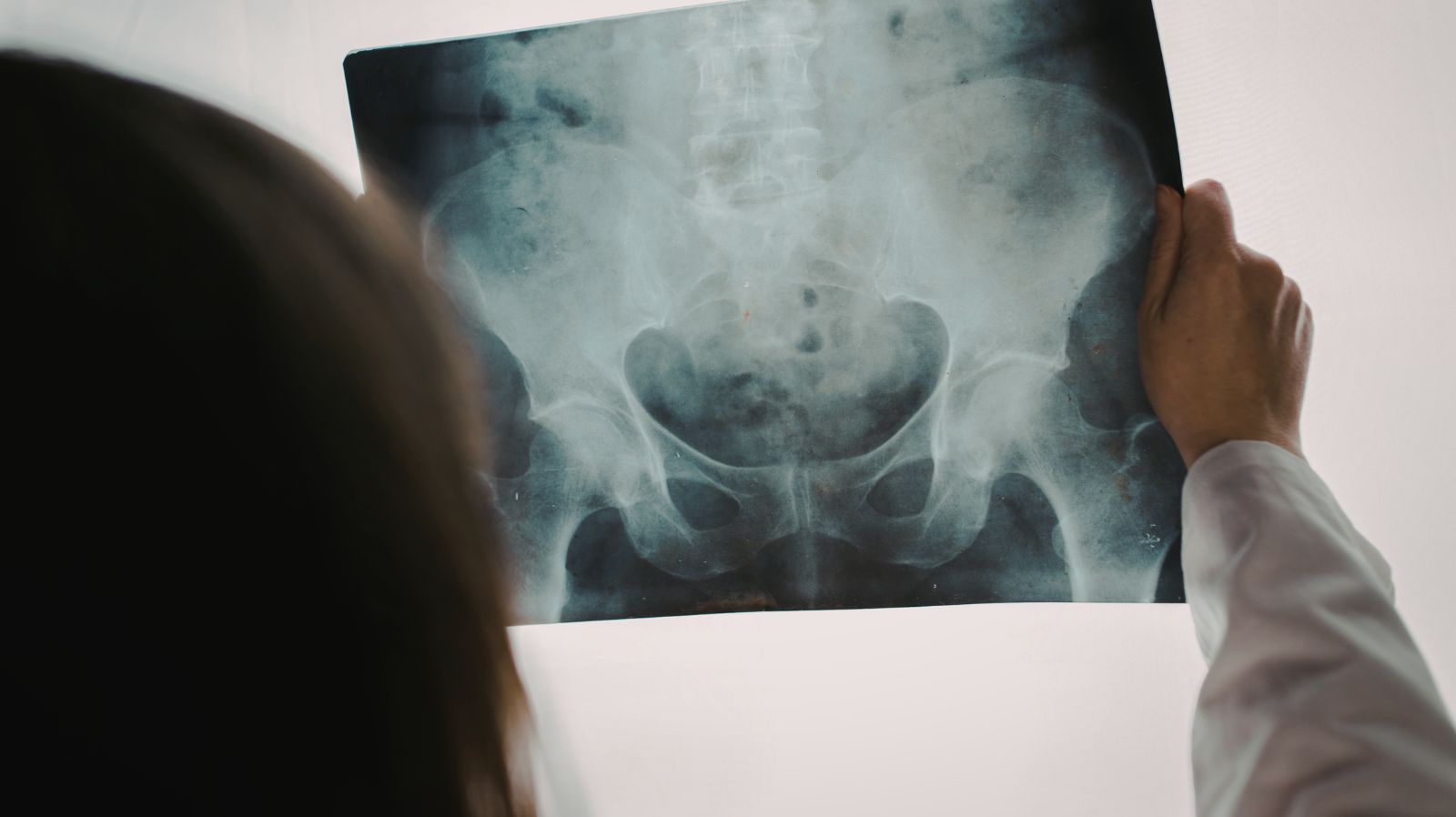
Restoring your natural movement is something that happens in the small moments of your day. It is about how you sit at your desk, how you lift your groceries, and how much water you drink to keep your joints lubricated.
Mindful Posture: Check in with your spine every hour; imagine a string pulling the top of your head toward the ceiling.
Stay Hydrated: Your spinal discs and joints rely on water to stay "bouncy" and absorb the shocks of daily movement.
The growing shift toward non-invasive healthcare is a sign that we are finally learning to trust our bodies again. We are moving away from the idea that health comes from a bottle and toward the reality that it comes from alignment, movement, and balance. By choosing these practices, we are not just avoiding surgery or drugs; we are choosing a more sustainable way to live in our own skin, one that respects both our bodies and the systems we all depend on.
Restoring natural movement is about more than just a lack of pain. It is about the ability to go for a hike, play with your children, or simply wake up feeling light and ready for the day. Whether it is through the skilled hands of a chiropractor or a dedicated movement practice, the goal is to give your body the freedom it deserves.

.webp)






.svg)
