
.png)

Inside the Modern Bluefin Tuna Supply Chain: Farming, Traceability & Distribution
Green Hive Editorial Team
March 26, 2022
About 85% of healthcare waste is ordinary trash, but much of it still ends up in costly red bags. Here is how clinics and hospitals can sort, reduce, and dispose of every waste stream responsibly.

Green Hive is reader-supported. When you purchase through links on our site, we may earn an affiliate commission. To understand our thorough approach to rating brands and products, explore our comprehensive methodology.
Green Hive is reader-supported. When you purchase through links on our site, we may earn an affiliate commission. To understand our thorough approach to rating brands and products, explore our comprehensive methodology.
If you walk through any clinic at the end of a shift, you’ll notice the waste bins tell a compelling story. Although most of what gets thrown away looks like office or cafeteria trash, such as paper towels, packaging, food scraps, and empty IV bags that never touched a patient's blood, a smaller share carries real risk. According to the World Health Organization, about 85 percent of healthcare waste is non-hazardous material, while the remaining 15 percent is hazardous. This dangerous minority includes items like used needles, blood-soaked dressings, leftover chemotherapy drugs, and lab chemicals. If handled improperly, they can injure staff, sicken waste handlers, and contaminate local soil and water.

Understanding that split is the first step to handling these waste streams responsibly, and the large non-hazardous share is where most facilities can make their biggest operational gains. General trash, cardboard, and recyclables can move through the same commercial waste management systems that serve offices and retail spaces, often at a fraction of the cost of regulated hauling. Problems start when ordinary materials get tossed into red bags out of habit or caution. Every pound of general waste treated as infectious costs more to collect and uses more energy to sterilize or burn. It also adds emissions that never needed to happen.
Meanwhile, the hazardous share follows a very different set of rules, and those rules depend heavily on location. Since the federal Medical Waste Tracking Act expired in 1991, individual states have controlled the regulation of infectious and sharps waste. Virginia’s rules perfectly highlight this power shift, as its Department of Environmental Quality sets specific requirements for packaging, storing, transporting, and treating regulated medical waste. This means a practice in Richmond or Norfolk needs medical waste disposal arrangements that match Virginia’s mandates. A provider that operates in more than one state cannot assume one system fits everywhere, and this complexity underscores why choosing the right compliance strategy is so critical.
Responsible handling starts with naming what your property currently produces. The sections below cover some of the most common waste streams that facilities generate.
This covers packaging, paper, food waste, uncontaminated disposable gowns, and other everyday trash. This type is classified as non-hazardous and non-regulated and can usually go to a standard landfill or recycling program. Large hospitals also generate tons of it each week, so even small improvements to streamlining initiatives can produce noticeable results.
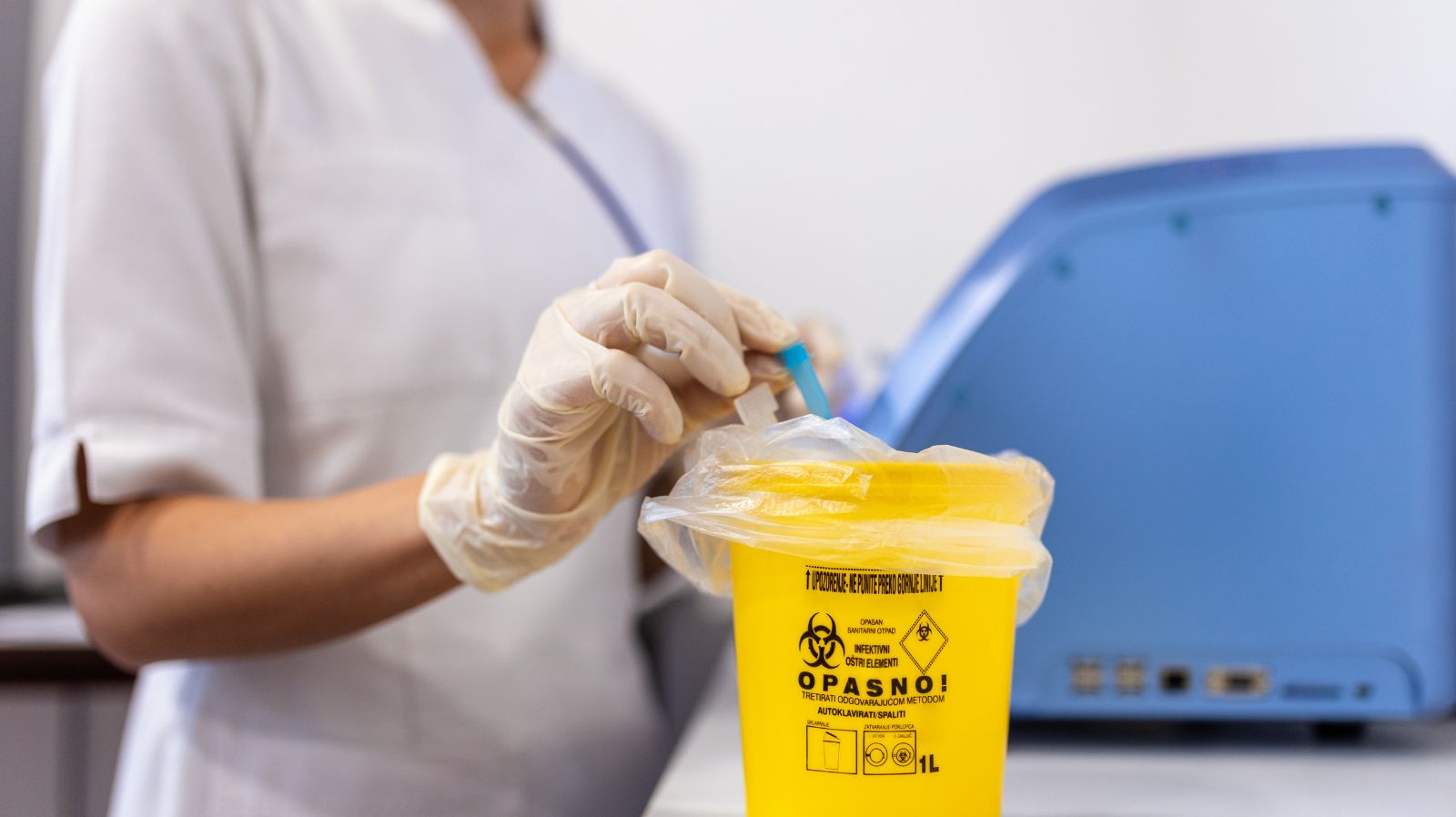
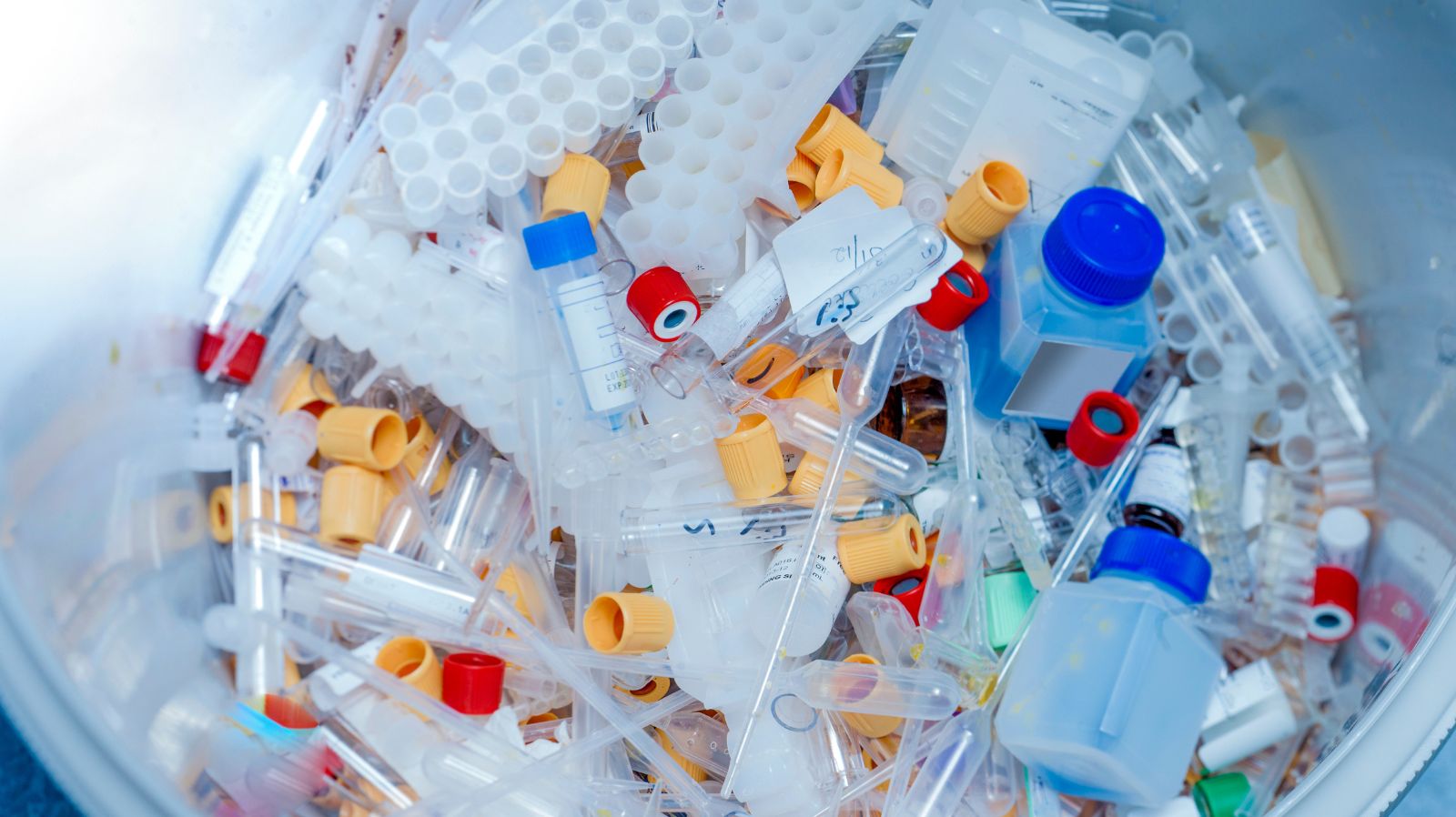
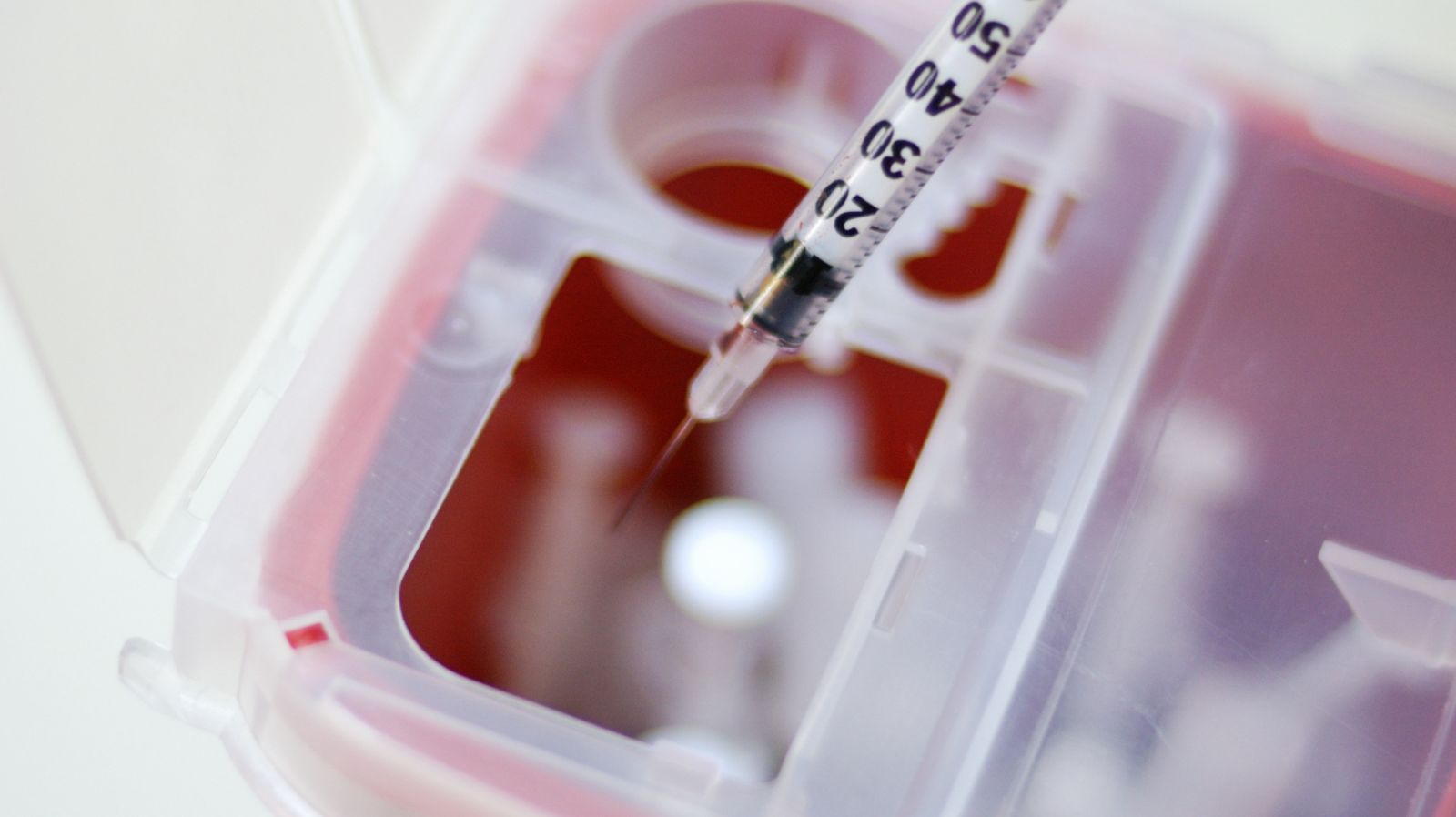
Regulated medical waste includes items contaminated with blood or other potentially infectious materials, used sharps, lab cultures, and pathological waste such as tissue. Though all of these categories require adequate disposal procedures, sharps in particular deserve special attention. This includes using cleared sharps disposal containers made of rigid, puncture-resistant material with leak-resistant sides and a tight-fitting lid to prevent contamination and injuries, as recommended by the FDA. Since needlestick injuries remain one of the most common hazards for clinical staff, these rules protect people just as much as the environment.
Expired, unused, or partially used medications fall into this category. Some drugs, including certain chemotherapy agents and nicotine products, qualify as hazardous waste under federal law and must be disposed of accordingly. Others are considered non-hazardous, but they should still receive their own waste stream and not be flushed down the drain.
Laboratories, imaging departments, and cleaning crews all produce chemical waste. Common examples include solvents, formalin, spent disinfectants, and mercury from older equipment. Because these materials require labeled containers and a licensed hazardous-waste hauler to maintain regulatory standards, having a comprehensive plan is essential.
While routine materials like cardboard, rigid plastics, and clean paper can often be recycled, other workspace items require specialized handling. This includes patient records, which must undergo secure shredding to comply with privacy regulations, as well as old monitors, batteries, and computers, which must be directed to a certified e-waste program to keep hazardous metals out of landfills.
Sorting waste works best at the exact moment it is discarded. Once a hazardous item is mixed in with other waste, separating it again becomes unsafe, impractical, and highly discouraged.
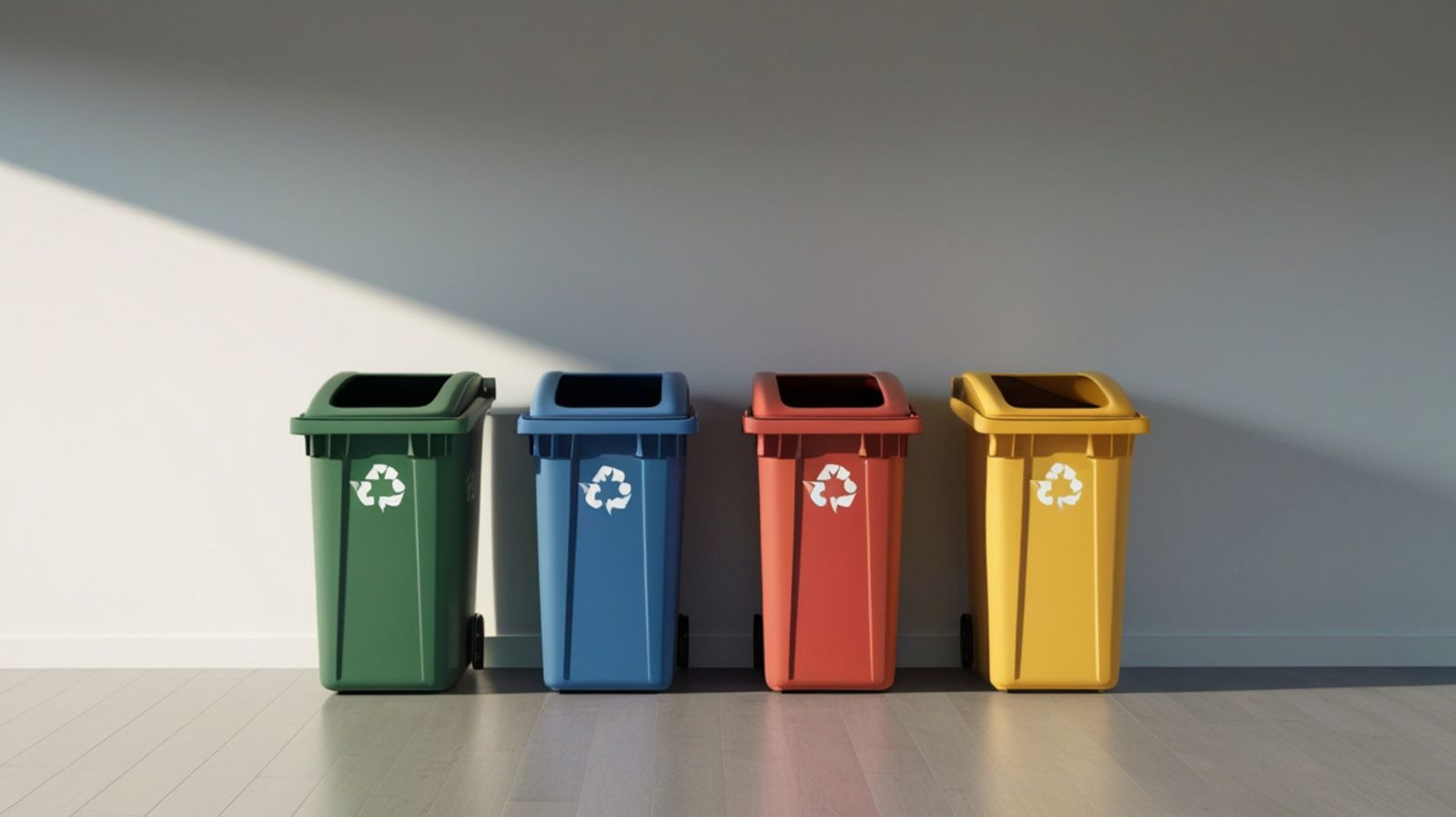
To streamline this process, facilities use clear signage and color-coded bins to help staff correctly route waste in a matter of seconds. For example, a standard setup in the United States utilizes red bags for infectious waste, black containers for hazardous pharmaceuticals, blue or white containers for non-hazardous drugs, and standard bins for general trash.
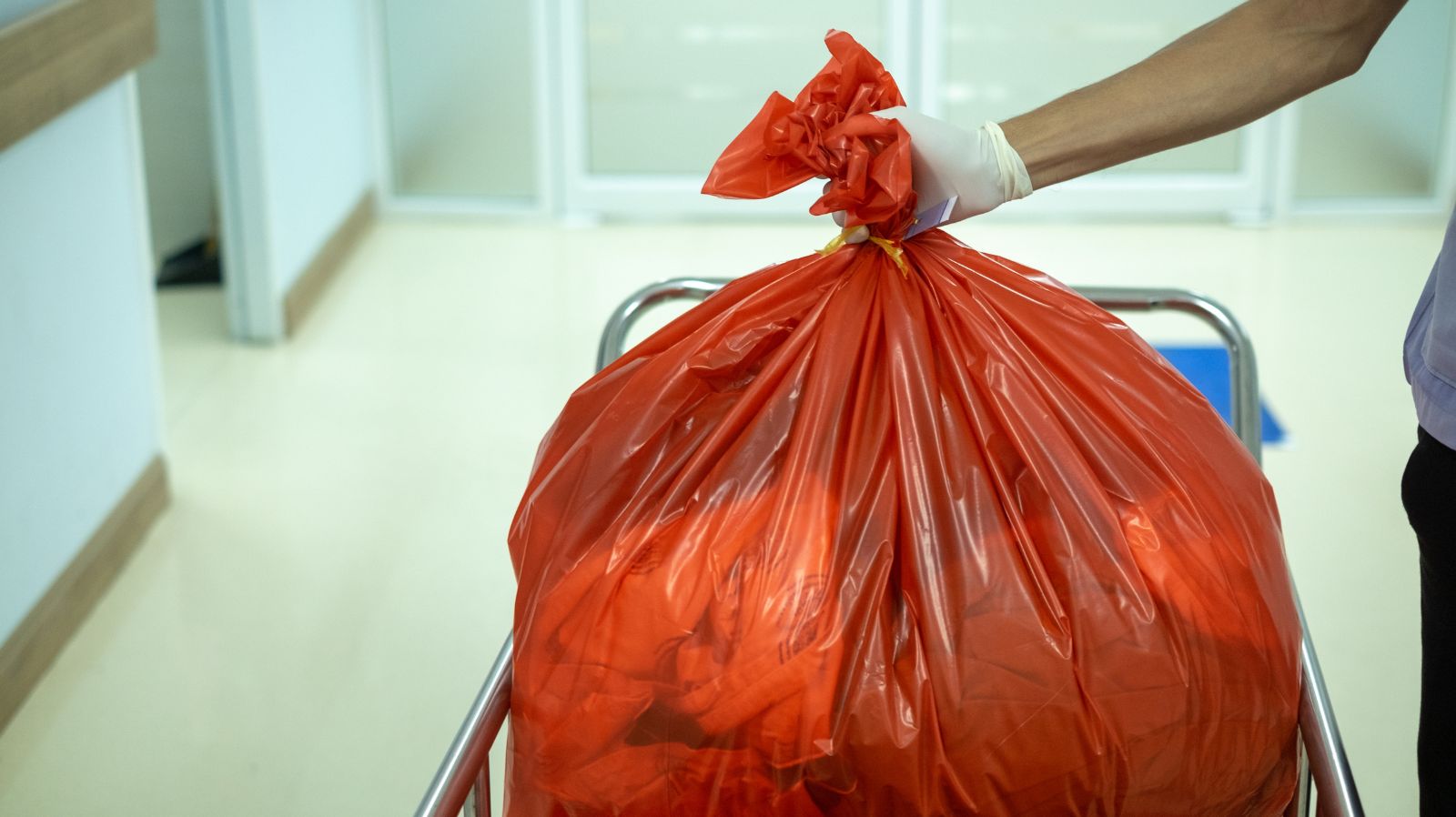
When developing an efficient sorting system, placement matters just as much as color. If the nearest container in an exam room is a red bin, staff will naturally use it for everything. To avoid this issue and ensure regulated containers are kept strictly near procedure areas, general waste bins should always be placed in spots that are both convenient and accessible. Additionally, installing simple signage with pictures of approved items can significantly cut down on sorting errors, especially in busy units with rotating staff. This targeted placement and visual guidance directly combat the common issue where red-bag waste makes up a much larger share of a facility's volume than it should, a problem that can be easily quantified by having a small team conduct a periodic bin audit to sample how much ordinary trash is slipping into the regulated stream.
After placement and signage, storage becomes the next step. Regulated waste should sit in a locked, labeled area away from patient traffic, and many states limit how long it can stay on site before pickup. In specific circumstances, longer holds may require refrigeration to meet regulatory standards. By having a clean, regulated, and organized storage room, collection moves more quickly while significantly lowering the chance of dangerous spills.
The most sustainable waste is the waste that never gets created. Reusable sharps containers can be cleaned and returned many times, and they replace thousands of single-use plastic boxes over a year. Some single-use devices can also be safely reprocessed by FDA-regulated reprocessors, which lowers both purchasing costs and disposal volume.
Ultimately, purchasing choices shape the waste stream long before anything is thrown out. Teams can ask suppliers to reduce packaging and favor bulk formats for frequently used items, and pharmacies can order smaller package sizes for drugs that often expire before use. Cleaning programs offer another opportunity. Switching to eco-friendly cleaning supplies in offices and break rooms can reduce harsh chemical waste and cut down on single-use plastic bottles, all while maintaining the stringent disinfecting standards necessary for infection control in clinical areas.
To complement efficiency initiatives in the medical waste sector, strides can be made in food service and administrative areas too. By composting food scraps and moving paperwork to digital records, facilities can trim general waste in ways that patients and staff notice.
Drugs and chemicals rarely fit neatly into the medical waste system, so they need a separate plan. Under the EPA's rules for hazardous-waste pharmaceuticals, healthcare facilities and reverse distributors cannot dispose of these drugs by flushing them or pouring them down the drain. This nationwide sewer ban has been in effect since August 2019, making proper disposal a legal and environmental necessity.
To remain compliant, a sound program sorts drugs into hazardous and non-hazardous containers at the point of waste generation. Potentially creditable items can go to a reverse distributor, while controlled substances must strictly follow DEA requirements. Because they know which specific products carry hazardous listings, pharmacy staff often lead this work to ensure accurate segregation.
Chemical waste requires a similar level of careful oversight across the facility. Each lab or department should keep an inventory of the chemicals it uses and store waste in compatible containers. It should also track how long waste has been accumulating. Whenever possible, swapping a hazardous chemical for a safer alternative is the best practice, as it removes that specific waste stream entirely.
Managing waste disposal is a major compliance responsibility that stays with a facility long after shipments leave the loading dock. Because of this ongoing liability, choosing a waste disposal vendor is an important regulatory decision. Facilities should thoroughly vet potential haulers by requesting current permits for every state of operation and confirming the exact destination of the waste post-pickup. It is also important to understand the treatment methods used. Though autoclaving and other non-incineration technologies can sterilize most infectious waste with lower environmental emissions, certain pathological and chemotherapy wastes will still require traditional incineration to meet disposal standards.
Proper documentation validates these operations and serves as a facility's proof of compliance and sustainability. This includes carefully managing shipping manifests, tracking records, and certificates of treatment or destruction to ensure they perfectly match the volume of waste that originally left the building. Some providers even take it a step further by choosing partners whose environmental certifications show a broader commitment to sustainability, such as documented recycling rates or emissions reporting. These paperwork trails should be reinforced by periodic reviews or physical site visits to confirm that a vendor's field practices match their official claims.
When determining the conditions of a contract, look for clear terms on pickup frequency, container supply, and what happens if a shipment is rejected. Monthly weight reports broken down by stream make it significantly easier to spot waste that has accidentally drifted into the wrong container, so you can optimize your recycling efforts and control costs more effectively.
Even a well-designed system will fail if the people using it do not understand how it functions.
This is why education should be comprehensive and continuous, with new hires learning specific disposal rules during onboarding and existing staff receiving refresher training at least once a year. Employing short huddles after an audit or incident also helps keep the topic fresh and provides teams with the opportunity to address mistakes in real time.
In addition to learning measures, it is important to give the program a clear owner, such as an environmental services lead or a sustainability committee. When nobody owns waste, small mistakes pile up quietly. A named lead prevents this by keeping audits on schedule, updating signage as products change, and serving as the primary contact when staff is unsure about how to sort an item.
Track waste volumes by stream each month to monitor progress and identify areas of improvement. Metrics such as rising red-bag weights or falling recycling rates point to problems worth investigating, while the inverse can signify that a program change was the right call. Sharing progress with staff is equally vital, as it allows them to see that their sorting habits make a tangible, positive difference.
While healthcare waste can never be entirely eliminated, the majority of it poses far less danger than it appears. By separating waste streams at the source and practicing smart reduction, providers shield both their staff and their communities from remaining contamination risks. Backed by expert disposal partners and regular training, these proactive steps also yield lasting rewards, such as slashing operational costs and significantly shrinking the facility's environmental footprint. This is why sustainable waste management is far more than an administrative chore; rather, it is medicine for both patients and the planet.
U.S. Environmental Protection Agency. (n.d.). Frequent questions about the Management Standards for Hazardous Waste Pharmaceuticals and Amendment to the P075 Listing for Nicotine final rule. https://www.epa.gov/hwgenerators/frequent-questions-about-management-standards-hazardous-waste-pharmaceuticals-and
U.S. Food and Drug Administration. (2021, April 29). Sharps disposal containers in health care facilities. https://www.fda.gov/medical-devices/safely-using-sharps-needles-and-syringes-home-work-and-travel/sharps-disposal-containers-health-care-facilities
World Health Organization. (2024, October 24). Health-care waste. https://www.who.int/news-room/fact-sheets/detail/health-care-waste








.svg)
