Where Construction Runoff Goes After a California Storm
Green Hive Editorial Team
March 26, 2022
That gray can on the power pole is quietly carrying your solar panels, heat pump, and EV. Here is why transformers are in short supply and how to go electric without overloading your street.

Green Hive is reader-supported. When you purchase through links on our site, we may earn an affiliate commission. To understand our thorough approach to rating brands and products, explore our comprehensive methodology.
Green Hive is reader-supported. When you purchase through links on our site, we may earn an affiliate commission. To understand our thorough approach to rating brands and products, explore our comprehensive methodology.
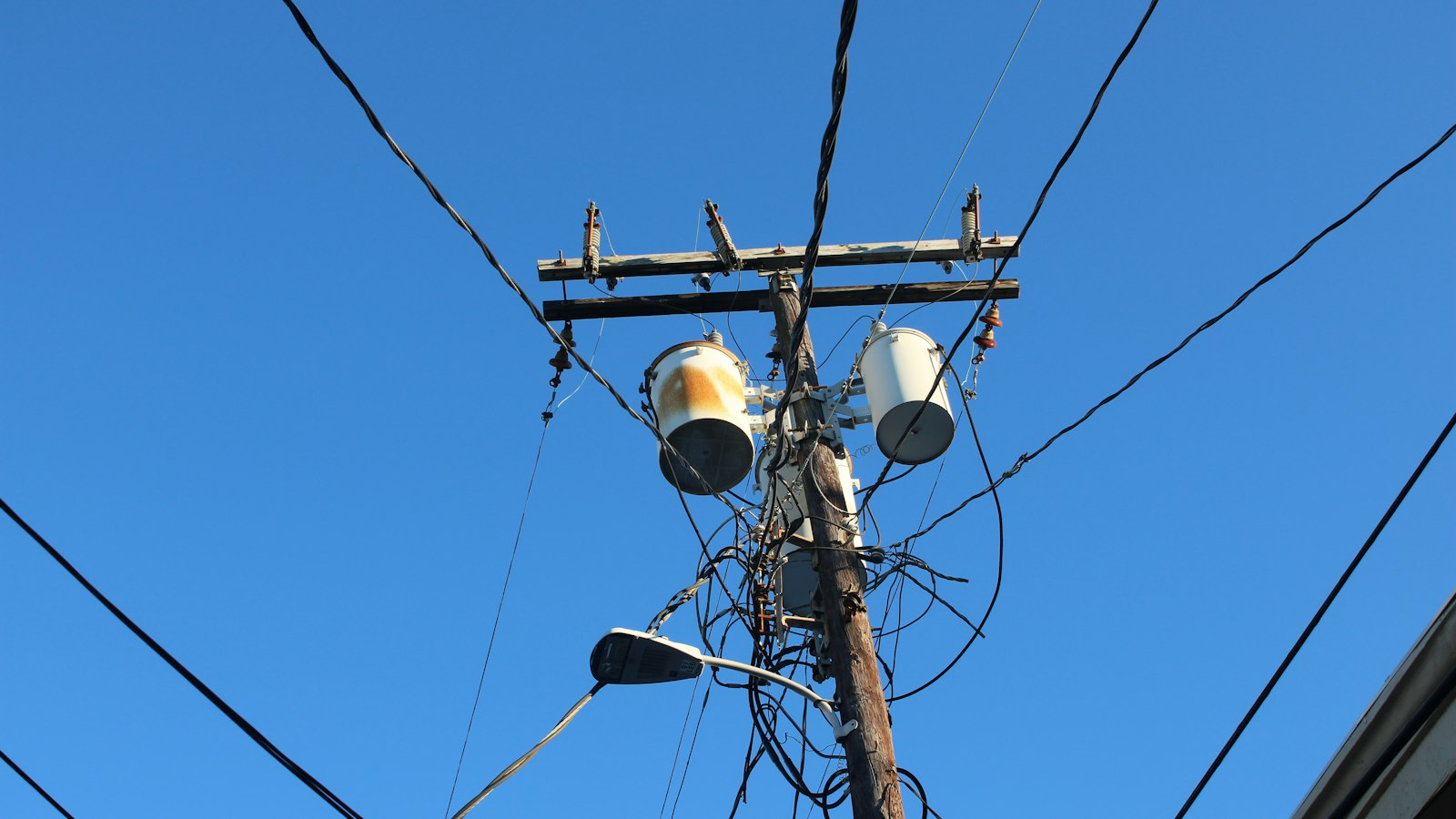
Look up at the power lines on almost any street and you will spot a gray metal can bolted near the top of a wooden pole. Most of us walk past it each day without a thought. That can is a pole mounted transformer, and it does a quiet, vital job for your home. It takes power from the lines overhead and steps it down to a safe level that runs your lights, fridge, and phone charger. As more families add solar panels, electric cars, and heat pumps, that small can is becoming a bigger part of the green energy story.
The lines that run along your street carry power at thousands of volts. High voltage helps power travel a long way with less waste. Your home needs far less. In the United States, most houses run on 120 and 240 volts. The transformer on the pole handles that change. Inside the can, coils of copper or aluminum wire wrap around a steel core. The whole thing sits in a bath of oil or another fluid that keeps it cool.
One transformer often serves a handful of nearby homes. It has a size rating, much like a water pipe has a width. When the homes it serves draw more power than it can handle, the unit runs hot. Over time, that heat wears down the parts inside and shortens its life.
Many of the best steps toward a low-carbon home run on power from the grid. An electric car charger, a heat pump for heating and cooling, an induction stove, and a heat pump water heater can all replace gas or gasoline. These are great changes. They also add up. A home with an EV charger and a heat pump can draw far more power at peak times than it did a few years ago.
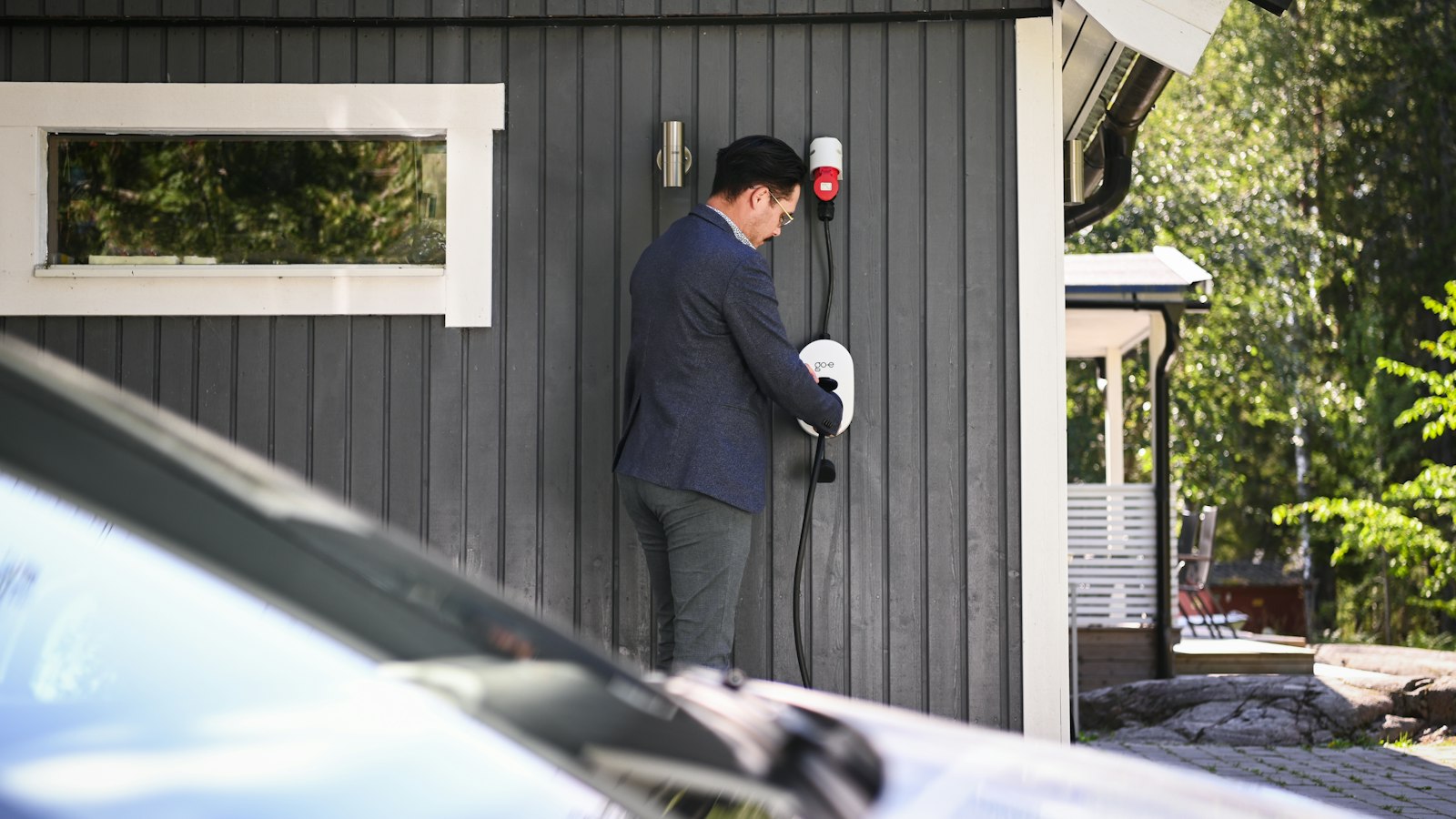
When several homes on the same transformer go electric, the power company may need to swap in a larger unit. Rooftop solar adds a new twist, too. On a sunny afternoon, your panels may send extra power back through the same transformer and out to the grid. Power companies plan for this. It is one reason many ask you to apply before you install solar or a big new appliance.
Demand for these units has climbed fast. The U.S. Department of Energy says demand for the kind of transformers that serve homes and businesses rose about 41 percent since 2019. In the same period, wait times for new orders grew from a few months to as long as a year or two. Grid upgrades, new homes, data centers, and the shift to electric heat and cars all compete for the same supply.
This shortage has a green side to it. When new units are scarce, it makes sense to keep good ones working. Some suppliers now test, repair, and recondition used pole mounted units. They replace worn seals, clean or replace the fluid, and check the windings so the transformer can go back to work for years. That kind of reuse keeps steel and copper out of the scrap pile. It also saves the energy it would take to build a new one.
The units themselves are getting better, too. Federal rules set limits on how much energy a transformer can lose as heat. Newer designs waste less power every hour of the day. Some transformers now use natural ester fluids made from plant oils such as soybean oil. These fluids break down in soil far faster than mineral oil if a leak occurs, and they are much harder to set on fire.
Anyone can help, with no special skills. If you plan to add solar, an EV charger, or a heat pump, talk to your installer and your power company early. They can check whether the local transformer can handle the extra load and plan any upgrade before it becomes a problem. Many power companies also offer lower rates for charging your car late at night, when the grid has more room. Moving big loads to late hours eases the strain on the gear that serves your street.
Safety matters, too. Never climb a pole or touch a transformer, even one that seems quiet. If you see a unit that leaks, smokes, or looks damaged, or hear loud popping from the pole, stay well back and call your power company right away.
Every solar panel, heat pump, and electric car on your street depends on that gray can. Knowing what it does helps you make smart choices for your home and the grid you share with your neighbors.
Electric Power Research Institute. (2010). Environmentally acceptable transformer fluids: An update (Report No. 1017936). https://restservice.epri.com/publicdownload/000000000001017936/0/Product
U.S. Department of Energy. (n.d.). Distribution transformers. https://www.energy.gov/cmei/buildings/distribution-transformers
U.S. Department of Energy. (2024, April 4). DOE finalizes energy efficiency standards for distribution transformers that protect domestic supply chains and jobs, strengthen grid reliability, and deliver billions in energy savings. https://www.energy.gov/node/4839605
U.S. Department of Energy, Office of Electricity. (2024, February 22). DOE and industry team up to keep the lights on for America. https://www.energy.gov/node/4838195
U.S. Department of Energy, Office of Electricity. (2026). Distribution transformer webinar text alternative. https://www.energy.gov/oe/distribution-transformer-webinar-text-alternative