
.png)

Sustainable Aging in Place: Eco-Friendly Home Safety
Green Hive Editorial Team
March 26, 2022
Cooling is the biggest electricity load in American homes. Here is what neglected filters, dirty coils, and leaking refrigerant really cost, and when replacing a unit beats repairing it.

Green Hive is reader-supported. When you purchase through links on our site, we may earn an affiliate commission. To understand our thorough approach to rating brands and products, explore our comprehensive methodology.
Green Hive is reader-supported. When you purchase through links on our site, we may earn an affiliate commission. To understand our thorough approach to rating brands and products, explore our comprehensive methodology.
Energy-efficient air conditioning is usually treated as a purchase decision, a matter of choosing the right unit with the right rating. That framing misses where most of the waste happens. The system already installed in a home spends years drifting away from the performance it was rated for, and it does so quietly, because a struggling air conditioner still produces cold air. It just runs longer and draws more power to do it. Cooling is the largest single use of electricity in American homes, so that drift adds up across a neighbourhood, a building, and a grid. This article looks at what maintenance actually saves, why refrigerant deserves more attention than it gets, and how to decide between servicing a system and replacing it.
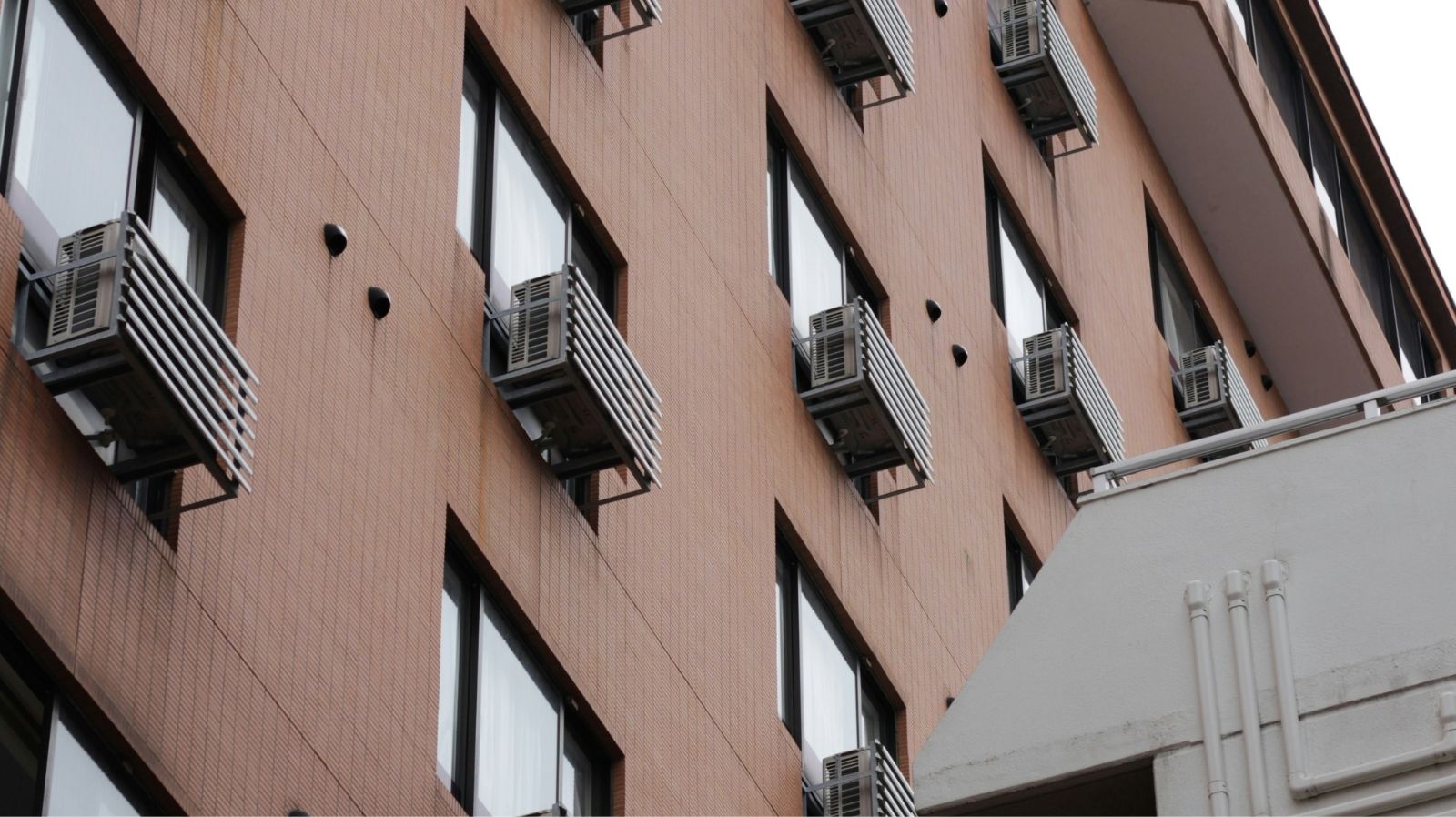
The scale here is easy to underestimate. Electricity consumption for air conditioning accounted for about 19% of all electricity used in U.S. homes in 2020, or roughly 254 billion kilowatt-hours, according to the U.S. Energy Information Administration. Most of that demand runs through central systems and central heat pumps, though individual window and wall units remain common in older Northeast housing.
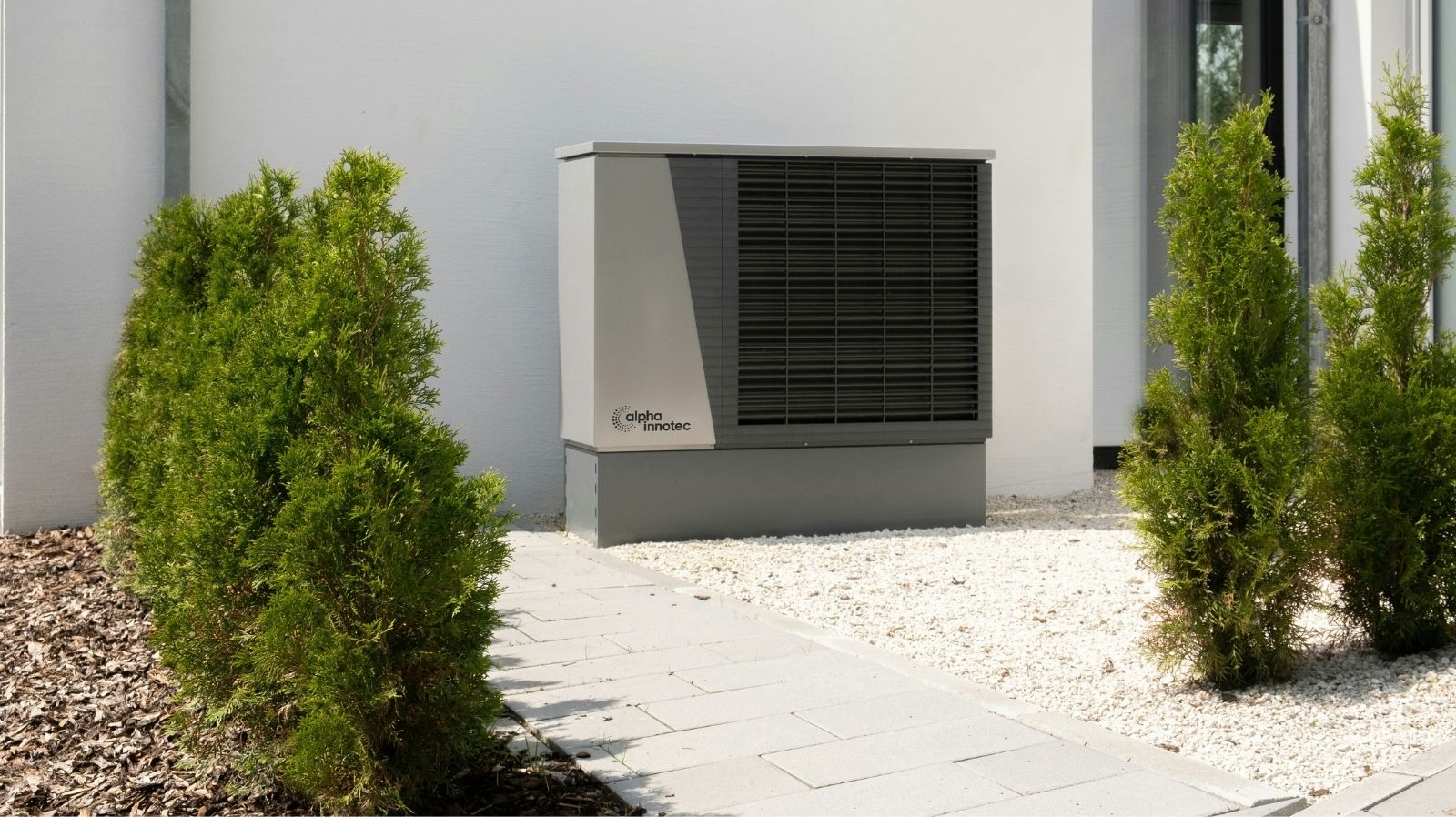
That split matters for cities with dated housing stock. Window and wall units are harder to service, easier to ignore, and often left in place year-round. In dense urban markets the consequences are also regulatory. New York City's Local Law 97 sets annual greenhouse gas emissions limits for most buildings over 25,000 square feet, with stricter caps arriving in 2030, so cooling loads in large residential buildings now carry a compliance cost as well as a utility bill.
Cooling demand also depends on the building around the unit. Poorly sealed windows and thin insulation force a system to run longer for the same indoor temperature, which is why window and envelope upgrades belong in the same conversation as equipment efficiency.
The most consequential maintenance task is also the dullest. According to the U.S. Department of Energy, replacing a dirty, clogged filter with a clean one can lower an air conditioner's energy consumption by 5% to 15%. A restricted filter cuts airflow, lets dirt reach the evaporator coil, and reduces the coil's ability to absorb heat, so the system compensates by running longer.
Coils and fins follow the same pattern. Evaporator coils collect dirt over time, condenser coils sit outdoors and collect everything the street throws at them, and bent fins block airflow across the coil. ENERGY STAR's maintenance checklist covers the rest: checking refrigerant charge, sealing and inspecting ducts, verifying thermostat operation, and clearing condensate drains. Duct leakage is the item homeowners are least likely to notice, because the energy is lost before the cooled air ever reaches a room.
None of this is glamorous, and that is precisely why it gets skipped. The pattern is familiar from other parts of the home, where routine maintenance usually delivers more measurable savings than any single product purchase.
Refrigerant is where an air conditioner's environmental impact stops being about electricity alone. Residential systems can lose refrigerant gradually through small leaks, and analysis from RMI citing EPA figures puts typical annual leak rates in the range of 5% to 11%. As the charge drops, the system's efficiency falls and runtime rises, often long before anyone notices a comfort problem.
The gas itself is the second issue. R-410A, the standard residential refrigerant for two decades, has a global warming potential of 2,088, meaning each kilogram released traps roughly two thousand times more heat than the same mass of carbon dioxide. Under the American Innovation and Manufacturing Act, the EPA's Technology Transitions rules restrict new residential air conditioning and heat pump equipment to refrigerants below a 700 GWP threshold, which is why new systems now ship with R-454B or R-32. Existing systems remain legal to run and service.
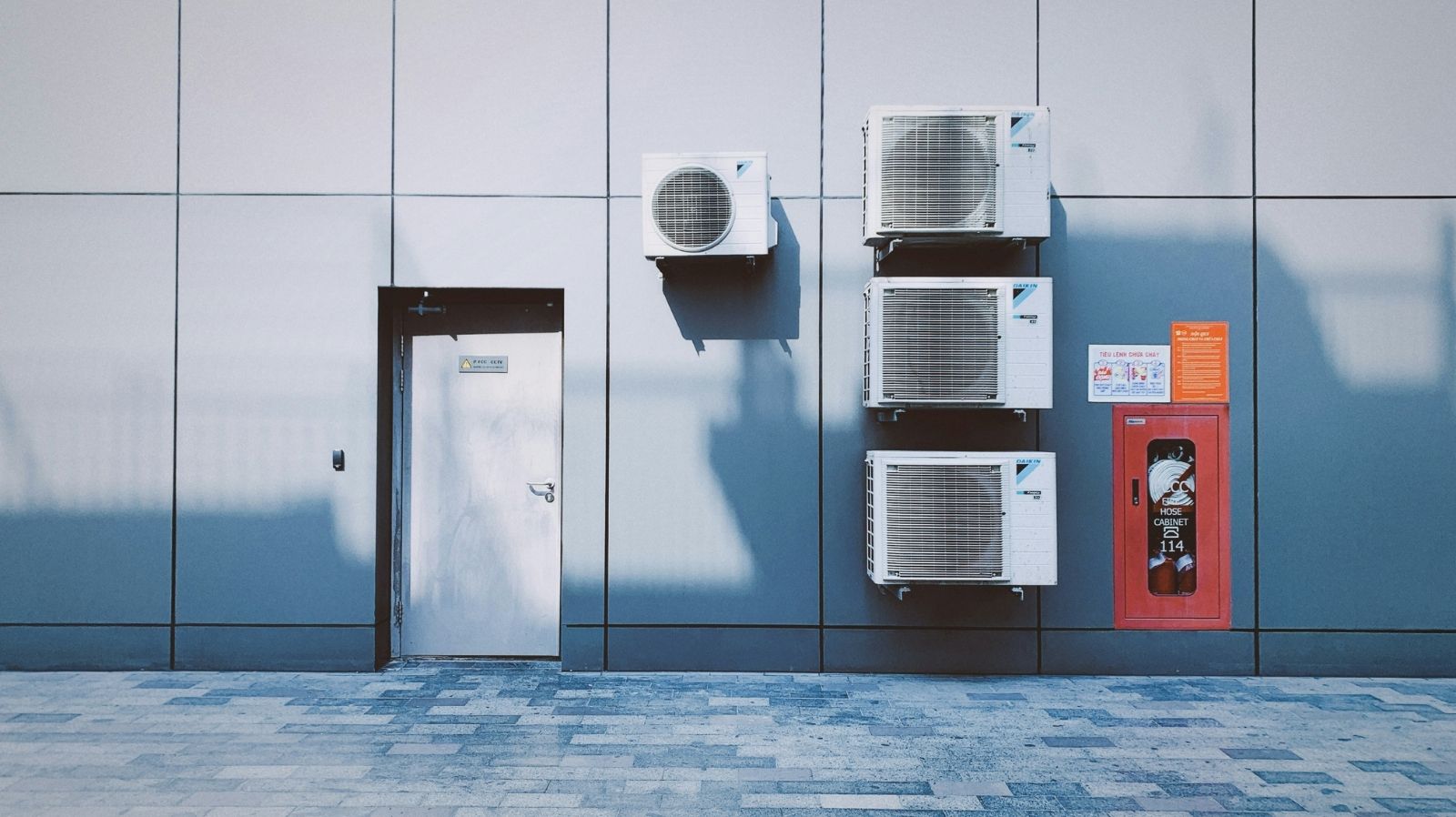
The practical guidance from the EPA is direct: if a system leaks, have the leak located and repaired rather than simply topped off, since repair keeps the system running properly while reducing both emissions and energy use. That is skilled work, and it is worth choosing a contractor who knows the local building stock. In older walk-ups and brownstones, where line sets run through finished walls and co-op boards impose their own access rules, booking AC repair in NYC with a licensed local technician avoids the repeated top-ups that mask a leak instead of fixing it.
Replacement is often presented as the sustainable option. It is not automatically so. A new system carries the emissions of raw material extraction, manufacturing, shipping, and disposal of the old unit, and those are paid up front, before a single kilowatt-hour is saved. For a system that is a decade old, properly charged, and still cooling well, maintenance almost always wins on lifetime impact.
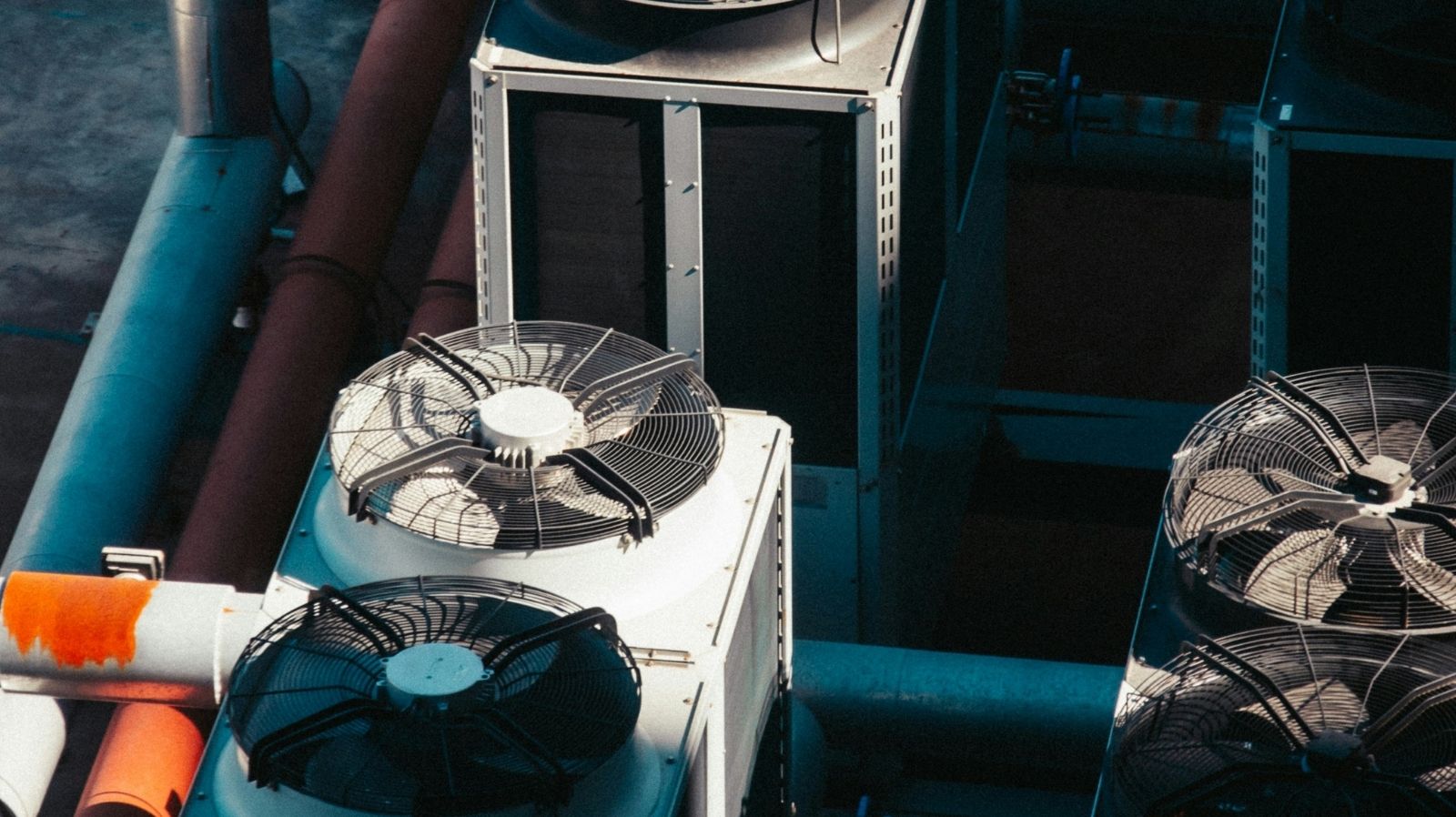
Replacement makes sense on different signals: a compressor failure, a refrigerant leak that would cost more to repair than the unit is worth, a system that has been oversized or badly installed from the start, or equipment old enough that the efficiency gap with current models is large. In those cases, a heat pump is worth pricing alongside a cooling-only unit, since it handles both heating and cooling and is increasingly the default path for buildings pursuing electrification.
Efficiency labelling helps at that point. ENERGY STAR certification identifies equipment that meets federal efficiency criteria, though it is not currently rated in the Green Hive certifications database, so treat it as a useful floor rather than a full sustainability assessment of the manufacturer.
Three habits cover most of the available savings. Check the filter monthly during the cooling season and replace it when it looks loaded, not on a fixed calendar. Clear at least two feet of space around any outdoor condenser unit and rinse debris from the coil once a season. Book a professional service before the first heat wave rather than during it, when technicians are stretched and a failed system means an emergency call.
For window and wall units, add one more: inspect the seals around the chassis. A gap between the unit and the frame vents conditioned air straight outside, and it is a common failure in units that stay installed through winter.
Air conditioning is a large, concentrated, and growing load on the electricity system, and the gap between how a unit performs when new and how it performs after five neglected years is wide enough to matter. Clean filters, clear coils, sealed ducts, and a correct refrigerant charge recover most of that gap for a fraction of the cost of new equipment, and repairing refrigerant leaks rather than topping them off addresses an emissions source that never shows up on a utility bill. For most households, the lowest impact air conditioner is the one already installed, maintained properly, and replaced only when the numbers genuinely justify it.
U.S. Energy Information Administration. (n.d.). How much electricity is used for air conditioning in the United States? https://www.eia.gov/tools/faqs/faq.php?id=1174
U.S. Department of Energy. (n.d.). Home cooling 101. https://www.energy.gov/sites/default/files/2016/11/f34/HomeCooling101.pdf
RMI. (n.d.). Why refrigerant matters more than you think for AC (or heat pump) efficiency. https://rmi.org/resources/why-refrigerant-matters-more-than-you-think/
U.S. Environmental Protection Agency. (n.d.). Technology transitions HFC restrictions by sector. https://www.epa.gov/climate-hfcs-reduction/technology-transitions-hfc-restrictions-sector
U.S. Environmental Protection Agency. (n.d.). Homeowners and consumers: Frequently asked questions. https://www.epa.gov/ods-phaseout/homeowners-and-consumers-frequently-asked-questions
ENERGY STAR. (n.d.). Maintenance checklist. https://www.energystar.gov/saveathome/heating-cooling/maintenance-checklist






.svg)
