
.png)
How Healthcare Providers Can Manage Different Waste Streams Responsibly
Green Hive Editorial Team
March 26, 2022
Pacific Bluefin went from a symbol of overfishing to a stock rebuilt a decade early. Here is how ranching, catch documentation, and cold chains decide whether that recovery holds.


Green Hive is reader-supported. When you purchase through links on our site, we may earn an affiliate commission. To understand our thorough approach to rating brands and products, explore our comprehensive methodology.
Green Hive is reader-supported. When you purchase through links on our site, we may earn an affiliate commission. To understand our thorough approach to rating brands and products, explore our comprehensive methodology.
The Pacific Bluefin Tuna, long considered the poster child for excessive fishing, is now experiencing a remarkable turnaround. For two decades, the species was the most cited example of industrial overfishing, with prices climbing as numbers fell. Today, that picture has dramatically shifted. The stock has rebounded faster than scientists projected, and buyers now ask harder questions about where each fish was caught and how it travelled to the plate.
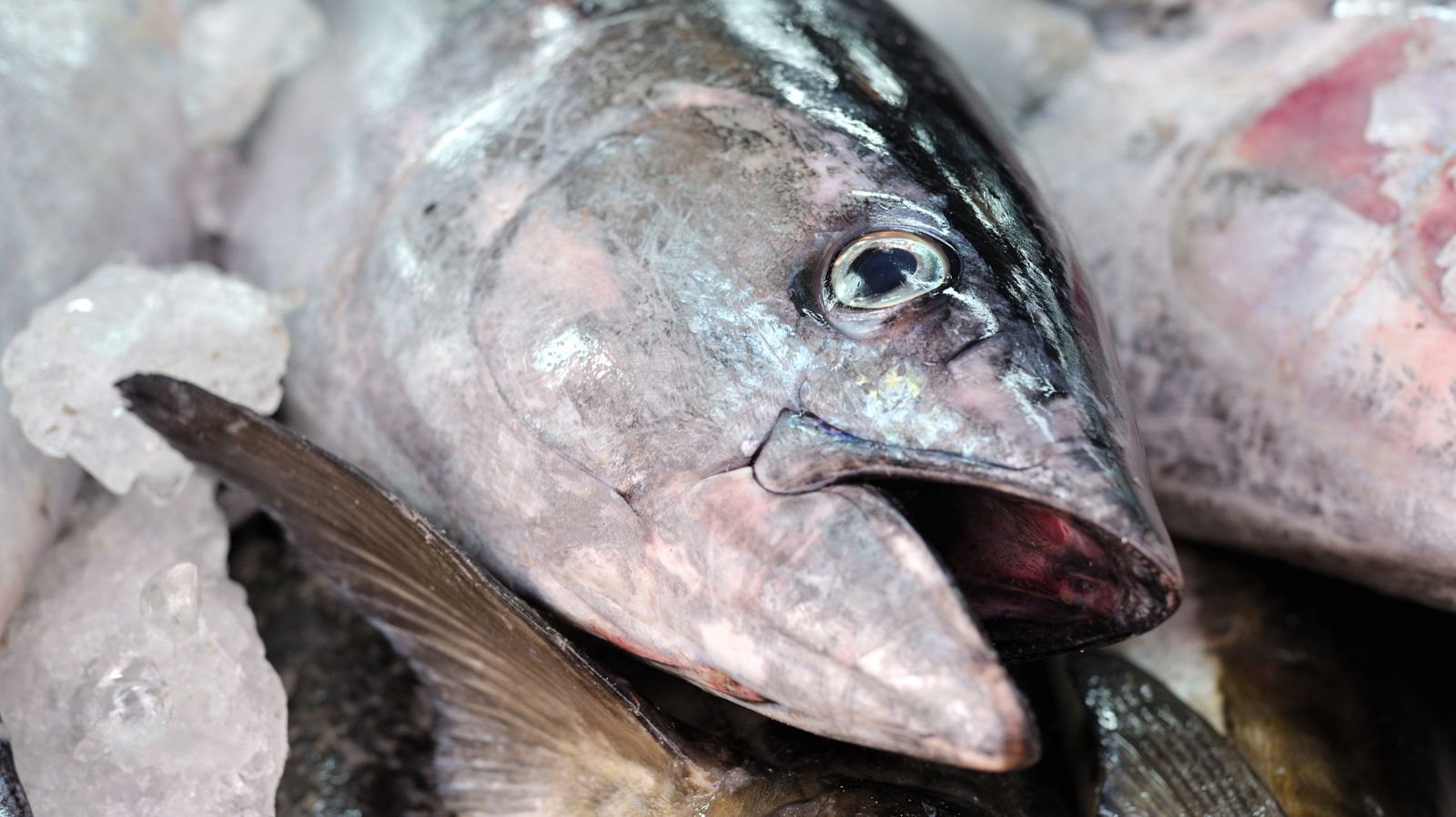
While data is important and points to a positive future for the species, a healthy stock covers only part of the story. Before anyone eats it, a single Bluefin can pass through a ranch, a processor, an exporter, and a cold storage facility, and each handoff can either protect the fish's sustainability record or weaken it. This article traces that journey to market, exploring the vital roles of certification, traceability, and supply chain and logistics, all while detailing what this Pacific recovery truly means for buyers.
Adults of the largest tuna in the Pacific can approach 10 feet in length and nearly 1,000 pounds. Their expansive range spans the North Pacific between Japan and the California coast. While their size and rich fat content are what make Bluefin Tuna so prized at sushi counters, those same traits have left the species uniquely exposed. As a slow-growing fish that regularly crosses national borders, they are historically difficult to manage and exceptionally easy to overfish.
By the mid-2010s, this vulnerability reached a crisis point when the spawning population plummeted to an estimated 3% of its unfished level. Because most of the catch consisted of juveniles, many fish were taken before they ever had a chance to reproduce and repopulate their numbers. This steep decline prompted the fisheries arm of the National Oceanic and Atmospheric Administration (NOAA) to formally classify the stock as overfished and subject to overfishing in 2013.
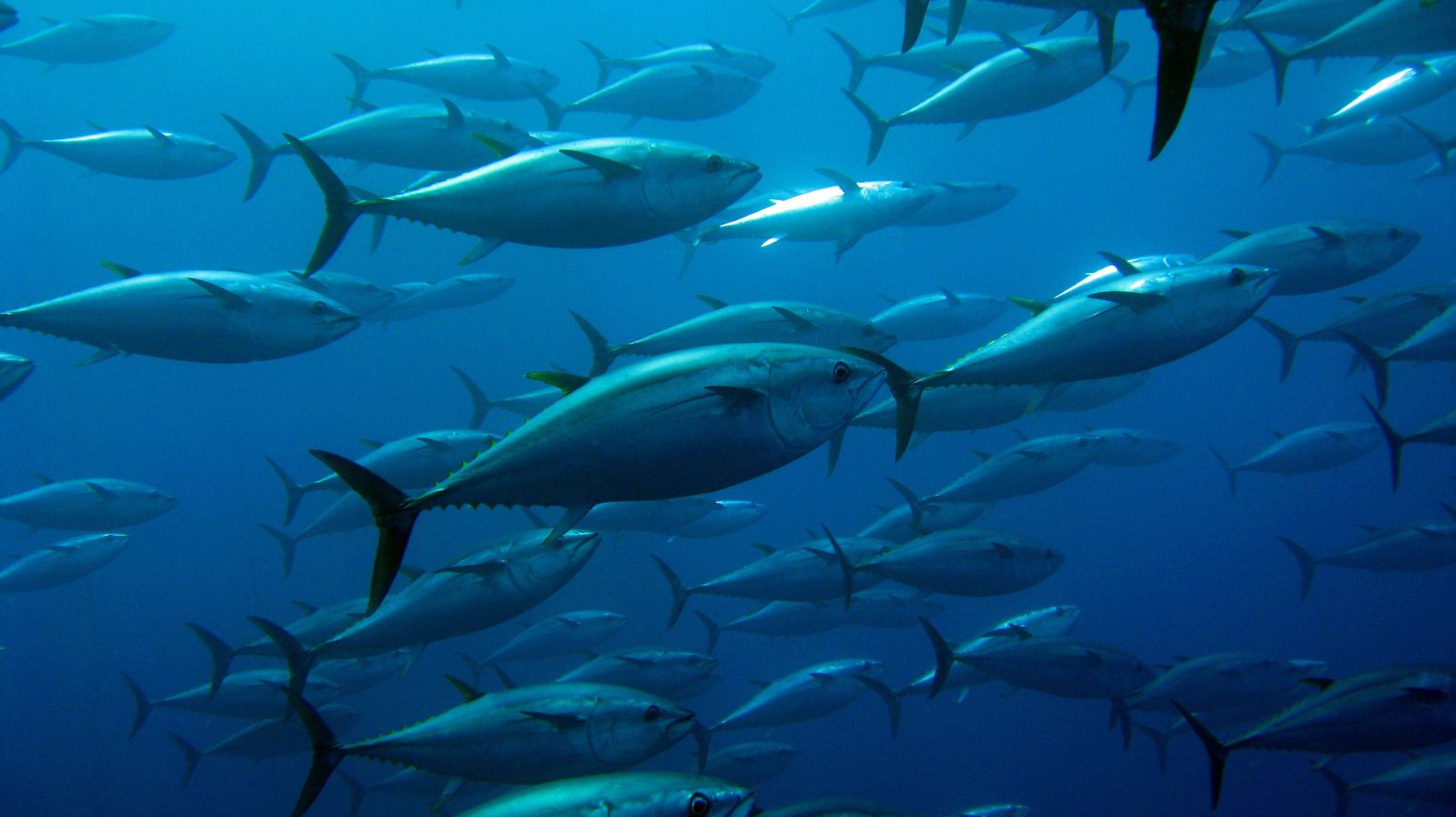
In response, two regional bodies stepped in to drive a major conversation turnaround. Beginning in 2011, the Western and Central Pacific Fisheries Commission (WCPFC) began cutting the catch of small fish and capping the take of large ones, while the Inter-American Tropical Tuna Commission (IATTC) adopted catch limits for the eastern Pacific. The results of these coordinated efforts arrived far ahead of every projection. Recent stock assessments show the population passed its first rebuilding target in 2019, five years early, and reached the second target of 20% of unfished biomass in 2021. That second milestone landed more than a decade before the 2034 deadline.
This rapid recovery led the International Union for Conservation of Nature (IUCN) to move the Pacific Bluefin from "Vulnerable" to "Near Threatened" on its Red List in 2021. As the stock has improved, management rules have shifted to allow for higher commercial catch limits, including a near-80% increase in U.S. quotas for the 2025 to 2026 season. However, whether these conservation gains hold long-term depends heavily on how strictly these newly elevated quotas are enforced moving forward.
Most farmed Bluefin are technically ranched. Young wild tuna are caught, usually with purse seine nets, and towed in floating cages to pens near the coast. From there they are fed sardines and other small fish for months until they reach market size and fat content. Baja California, around Ensenada, ranks among the main ranching regions for Pacific Bluefin, and much of its harvest is flown to buyers in Japan.
The sustainability logic of ranching often surprises readers, largely because output is strictly tied to natural limits. Each fish in a pen counts against a national catch quota, which caps ranch output at what the wild stock allows. Source fisheries matter as well. In 2024, Seafood Watch gave its first yellow Good Alternative rating to Pacific Bluefin from three eastern Pacific fisheries, one of them Mexico's purse seine fleet that fishes without fish aggregating devices. Many Baja ranches stock juveniles from that same fleet, and chefs on both sides of the border have followed Bluefin's comeback closely since the upgrade.
Many buyers start their sustainability journey with certifications, only to quickly run into confusion. A prime example of this is the Marine Stewardship Council (MSC) label, which was specifically designed for wild-capture fisheries and therefore rarely applies to ranched Bluefin Tuna. As for the Aquaculture Stewardship Council (ASC), it sets standards for farmed species such as salmon and shrimp, but it currently lacks a dedicated standard for tuna. So, while the ASC relies on the MSC’s separate chain-of-custody standard to track certified seafood through the processing stage, this patchwork system means that a perfectly well-rated, ranched Bluefin fishery can easily carry no consumer-facing eco-label at all.
Because of these gaps, understanding exactly what each logo represents is crucial for making informed purchasing decisions. Fishing methods are the focus of some labels, while others look at farm practices or emissions. For those looking to decode these different symbols, resources like Green Hive's overview of environmental certifications provide a helpful breakdown of the logos found on seafood and various other consumer products.
The absence of a certification logo does not automatically mean a product is unsustainable, as buyers can still rely on independent ratings and official documentation to verify its eco-credentials. Organizations such as Seafood Watch, for instance, rate the sustainability of source fisheries directly, bypassing individual corporate audits to evaluate the environmental impact of the entire source. For high-stakes seafood like Bluefin Tuna, official government and trade documentation actually deserves far more weight than a commercial marketing logo. A verified catch document provides a transparent, legally backed paper trail detailing exactly where, when, and how a fish was caught. In the end, these rigorous, official records will always tell a buyer more about a fish's true origin and sustainability than a generic green leaf printed on the box.
Illegal and unreported catch once threatened every rebuilding effort, which is why Bluefin was among the first fish to get serious catch documentation. In the Atlantic, the International Commission for the Conservation of Atlantic Tunas (ICCAT) runs an electronic system that follows each Bluefin from the moment of capture through the entire trade process. Similarly, Pacific Bluefin is governed by rigorous catch limits and reporting rules set by the IATTC and the WCPFC. In the United States, regulations are further strengthened by the Seafood Import Monitoring Program (in force since 2018), which has required American importers to report exactly where and how their tuna was harvested.
.jpg)
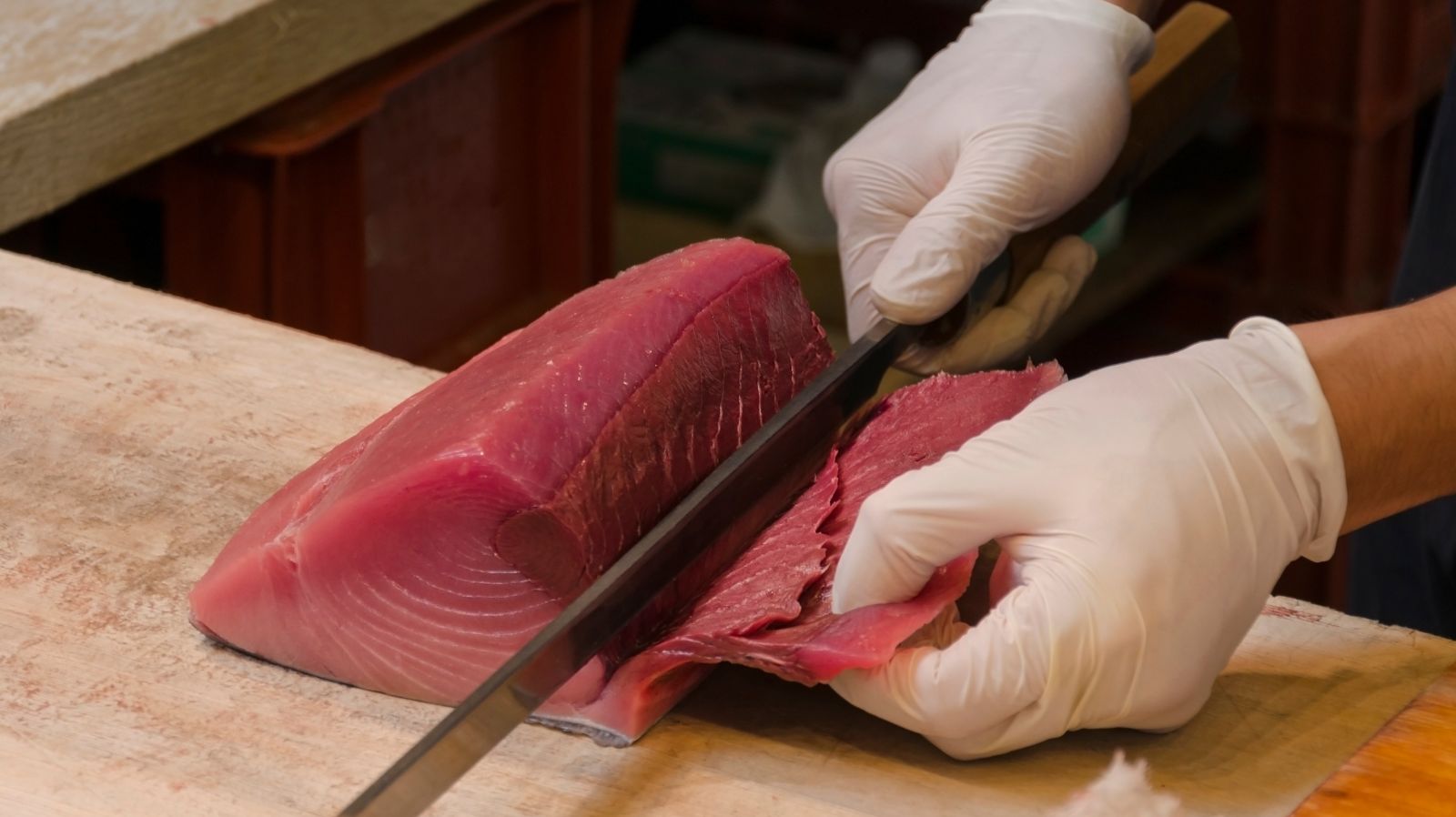
However, paperwork is only as reliable as the systems behind it. Traceability depends on the supply chain and logistics networks that move both the fish and its data, and one gap between the processing plant and the shipping dock can break the chain of custody. This challenge is especially complex for tuna ranches, which must maintain precise pen and harvest details, alongside lot numbers, that stay attached to each loin as it changes hands.
To bridge these gaps, modern technology and proactive retail practices are stepping in to secure the supply chain. DNA testing is now used to verify fish species, preventing fraud in a market where cheaper tunas are sometimes passed off as premium Bluefin. Digital tags and scannable codes are also being used to successfully link a retail package back to its specific harvest, though this requires every handler to record data consistently. Armed with these tools, retailers can protect their inventory by demanding harvest-specific records before any product is listed for sale.
Fresh Bluefin, prized for high-end sushi, usually travels by air within days of harvest. Air freight is fast, but its carbon cost per kilogram is far higher than ocean shipping. The same trade-off shows up in low-carbon travel, where the fastest option is rarely the cleanest.
Ultra-low temperature freezing offers another route. At around -60°C, tuna keeps its color and texture for months, so exporters can ship by sea and spread sales across the year. Emissions drop, and less fish spoils before it sells. This method lowers transport emissions and reduces food waste, but it requires constant, high-energy cold storage at every stage of the trip.
.jpg)
Global distribution channels have shifted too. In the past, most Bluefin moved through Tokyo’s famous wholesale markets, such as Tsukiji and later Toyosu. Today, many ranched fish move through direct contracts with restaurant groups and importers. Because farmers can schedule harvests to match exact orders, the fish passes through fewer hands. This cuts transit times and makes the supply chain easier to track.
When buying seafood, evaluating your source is critical to making an ethical choice. Start by asking about the species and origin, keeping in mind that Pacific Bluefin from the eastern Pacific currently holds better sustainability ratings than other sources. Next, determine whether the fish was wild-caught or ranched, and identify the specific fishery that supplied it. You should also look into the shipping method, as fresh fish flown by air leaves a much larger carbon footprint than frozen fish transported by sea. A seller who provides quick answers and clear documentation runs a trustworthy supply chain, while vague responses serve as a warning sign.
The ratings and scores you rely on deserve this same level of scrutiny. Brand labels and sustainability certifications are only as valuable as the criteria supporting them. Before letting a single label make a purchasing decision for you, investigate exactly what metrics are being measured and what critical factors might be left out.
The recovery of the Pacific Bluefin, from below 5% of its unfished size to current sustainable levels, proves that coordinated, quota-driven management can successfully restore depleted fisheries. However, protecting the stock in the water is only half the battle. For buyers, the future of the market relies on a dual approach: respecting the ocean quotas that enabled this recovery, while demanding the strict documentation and meticulous handling required to protect the product's premium value.
Monterey Bay Aquarium. (2024, October 7). Pacific bluefin tuna is yellow rated for the first time in the 25-year history of the Monterey Bay Aquarium Seafood Watch program [Press release]. PR Newswire. https://www.prnewswire.com/news-releases/pacific-bluefin-tuna-is-yellow-rated-for-the-first-time-in-the-25-year-history-of-the-monterey-bay-aquarium-seafood-watch-program-302268110.html
NOAA Fisheries. (2024, June 25). From overfished to sustainable harvests: Pacific bluefin tuna rebound to new highs. https://www.fisheries.noaa.gov/feature-story/overfished-sustainable-harvests-pacific-bluefin-tuna-rebound-new-highs
NOAA Fisheries. (2024). More U.S.-caught Pacific bluefin tuna to hit U.S. markets next year. https://www.fisheries.noaa.gov/feature-story/more-us-caught-pacific-bluefin-tuna-hit-us-markets-next-year
NOAA Fisheries. (2026, July 2). Pacific bluefin tuna. https://www.fisheries.noaa.gov/species/pacific-bluefin-tuna







.svg)
