
.png)
Sustainable Aging in Place: Eco-Friendly Home Safety
Green Hive Editorial Team
March 26, 2022
Prefabricated timber construction cuts site damage, runoff, and waste in fragile subtropical zones, while delivering durable homes built for high-humidity climates without scarring the land.

.jpg)
Green Hive is reader-supported. When you purchase through links on our site, we may earn an affiliate commission. To understand our thorough approach to rating brands and products, explore our comprehensive methodology.
Green Hive is reader-supported. When you purchase through links on our site, we may earn an affiliate commission. To understand our thorough approach to rating brands and products, explore our comprehensive methodology.
Building in subtropical environments presents a unique set of ecological challenges. These regions are characterized by high humidity, intense seasonal rainfall, and highly reactive soils that support dense, fragile ecosystems.
Traditional construction methods, which rely heavily on deep excavation, extensive concrete pouring, and the continuous presence of heavy machinery, cause severe trauma to these landscapes.
The alternative gaining traction in sustainable architecture is prefabricated construction, specifically utilizing sustainably sourced timber and lightweight framing.
By shifting the bulk of the manufacturing process to a controlled factory environment, builders can drastically reduce the physical footprint left on the building site, preventing soil compaction and minimizing chemical runoff into local watersheds.
To understand the tangible benefits of prefabrication, it is necessary to examine the physical and chemical toll of conventional building techniques. Typical residential construction heavily relies on poured concrete foundations, most commonly in the form of a slab-on-grade.
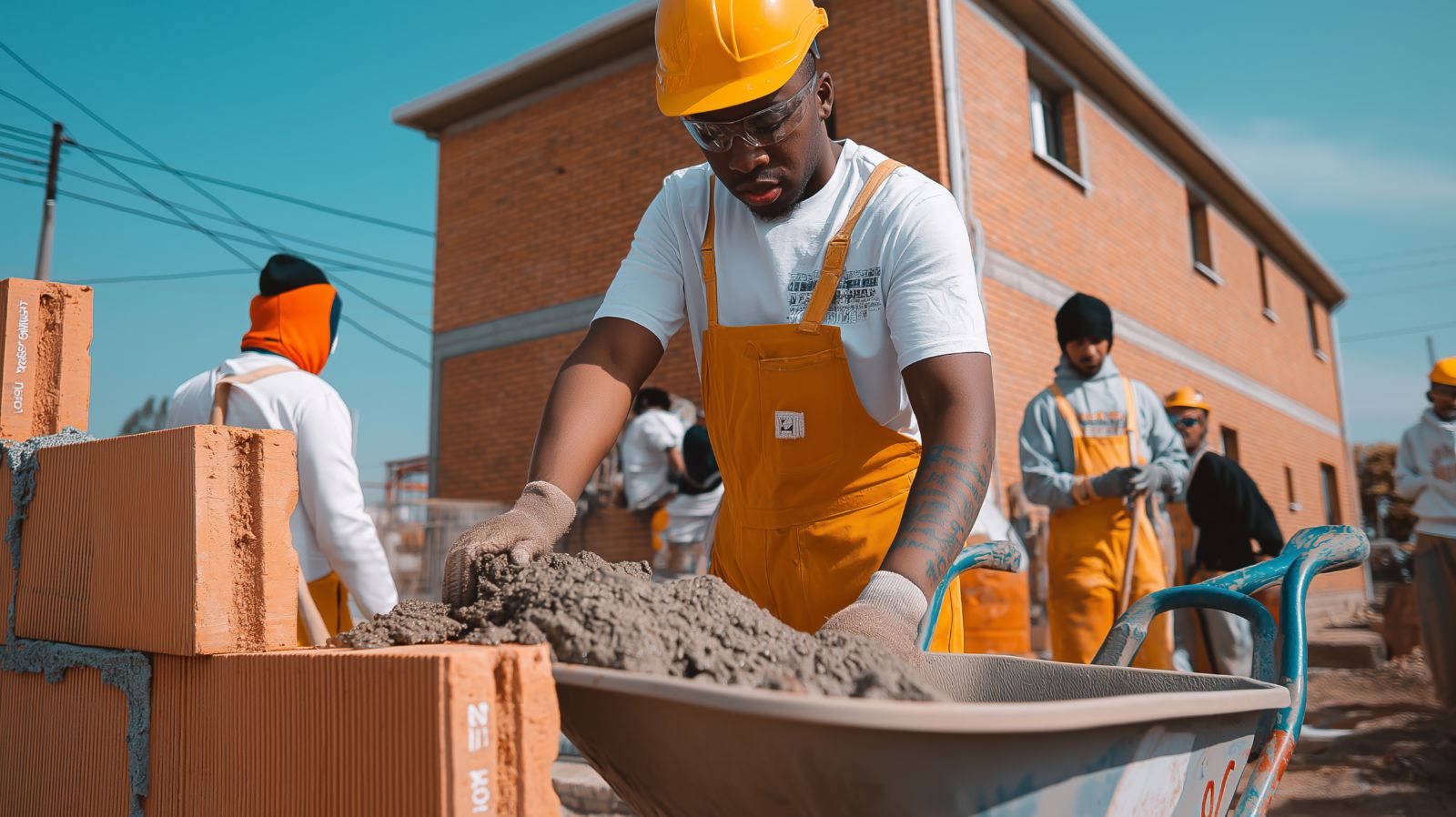
Preparing a site for a concrete slab requires stripping the protective topsoil, leveling the ground with heavy earthmoving equipment, and digging deep perimeter trenches.
In subtropical zones, where torrential downpours are frequent and unpredictable, this freshly exposed earth becomes highly vulnerable to severe erosion. Sediment runoff from construction sites is a leading cause of waterway pollution, smothering aquatic plant life and disrupting the pH levels of local marine ecosystems
Furthermore, the staging of traditional construction materials on-site leads to severe and often permanent soil compaction.
The constant movement of heavy concrete trucks, delivery vehicles, and excavation machinery compresses the earth, effectively destroying the microscopic air pockets required for root respiration and microbial survival.
Once soil is compacted to this degree, it can take decades for the natural drainage and biological health of the land to recover.
Traditional on-site timber framing also generates significant physical waste, as raw materials are cut to size out in the elements, leaving behind untreated offcuts, sawdust, and synthetic adhesives that inevitably leach into the surrounding soil.
When looking at climate-adapted architecture, Australia provides a masterclass in building for extreme heat and relentless moisture. Historically, the architectural response to the harsh subtropical environment has been the classic "Queenslander" style home.
Instead of flattening the earth to pour a monolithic concrete slab, these structures are traditionally elevated on wooden or steel stumps. This stilted approach serves multiple ecological and practical purposes. It allows seasonal floodwaters to pass harmlessly underneath the living structure, preserves the natural topography of the land, and promotes sub-floor ventilation to naturally cool the building.
Australians also rely heavily on passive design features, incorporating wide, wraparound verandas to shade exterior walls from the harsh sun, high ceilings to draw hot air upward, and strategically placed breezeways to maximize cross-ventilation.
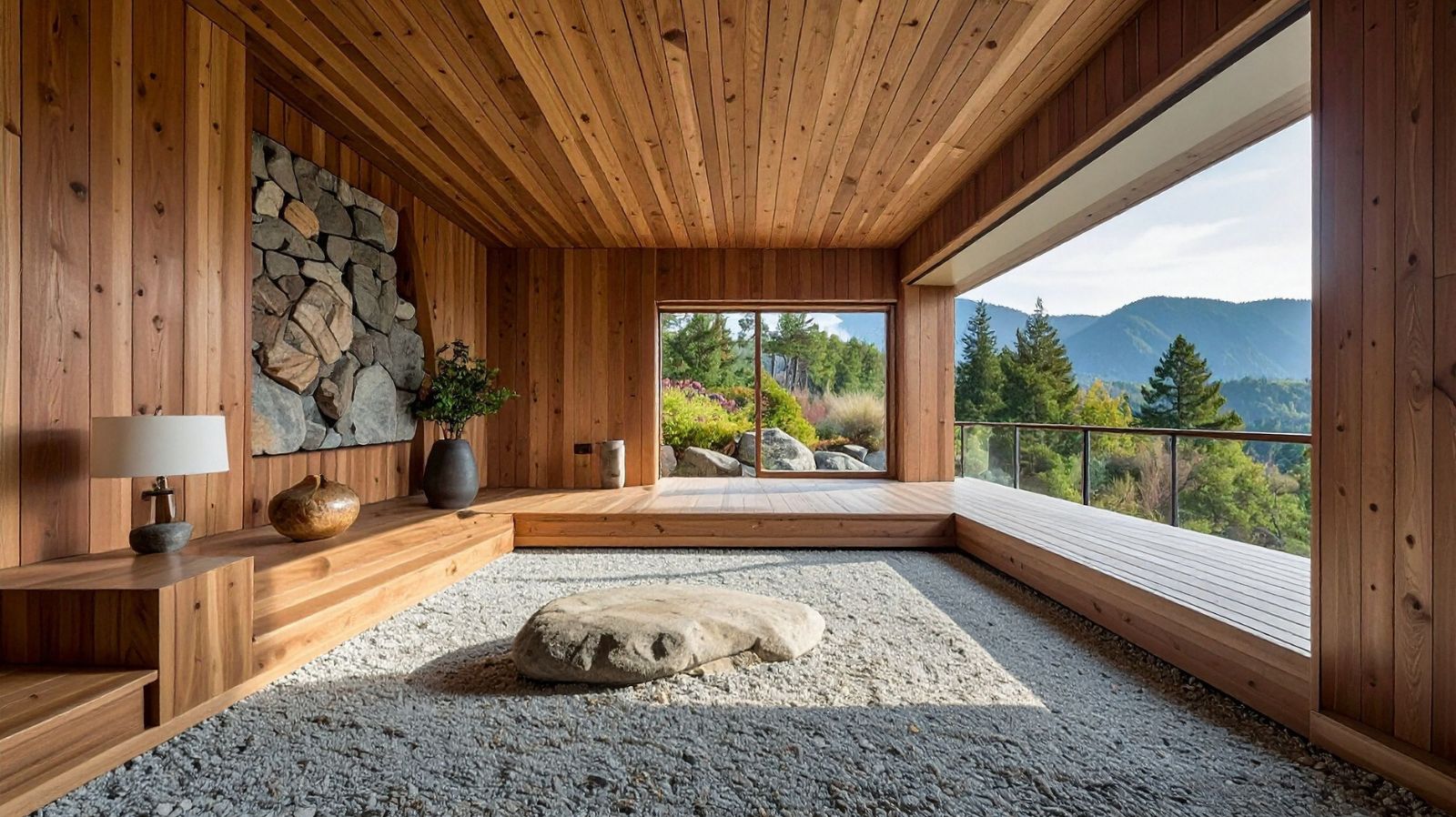
While timber has historically been the standard, modern Australian builders have adapted their methods to prioritize longevity and zero-waste principles.
In recent years, steel construction has become highly popular there, and they make kit homes which is a much more sustainable way than what other humid hot countries do.
You can see kit homes in Queensland which arrive entirely flat-packed and precision-engineered, allowing them to be bolted together rapidly on light-impact screw piles without ever bringing heavy excavation machinery into delicate coastal ecosystems.
Because these lightweight frames are completely impervious to the region's aggressive termite populations and rot-inducing humidity, they eliminate the need for the continuous application of toxic chemical soil barriers and heavy timber preservatives, keeping the surrounding watershed entirely free of synthetic poisons.
Transitioning to prefabricated materials fundamentally changes the timeline and the spatial requirements of a building project. When structural components are manufactured off-site, the physical construction site transforms from a raw, chaotic manufacturing zone into a simple, streamlined assembly point.
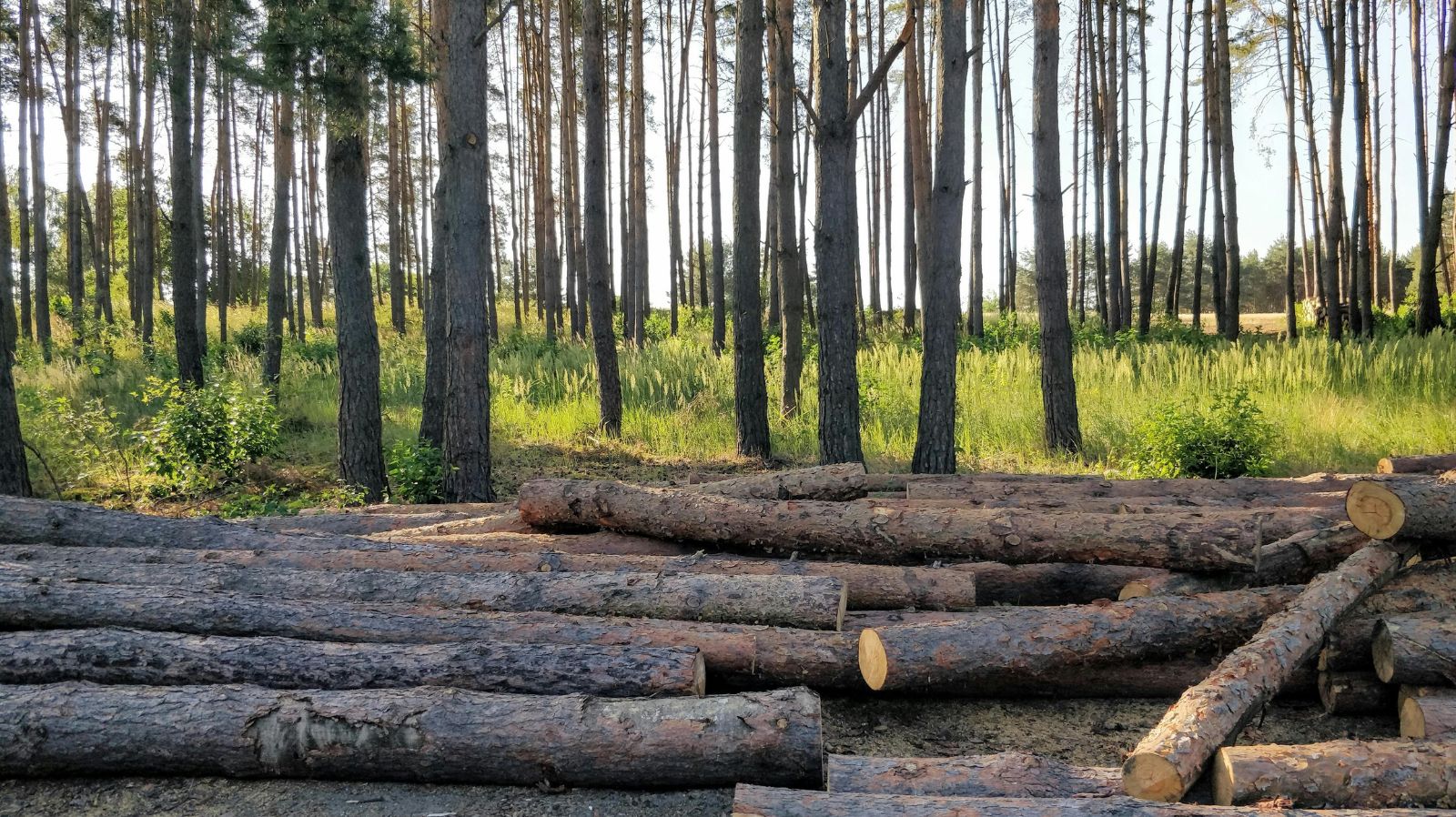
In a traditional build, material waste can account for up to thirty percent of the total project volume.
Prefabrication practically eliminates this inefficiency. Advanced building software dictates the exact dimensions of every structural panel or joist, which are then cut using automated machinery in a factory setting.
The minimal scraps produced are immediately recycled or repurposed within the facility.
When the prefabricated components arrive at the building site, they fit together exactly as designed. This precision removes the need for on-site modifications, meaning there is no hazardous dust, no noise pollution from continuous sawing, and no debris blowing into adjacent natural habitats.
Because prefabricated timber and lightweight structural panels weigh significantly less than traditional brick and concrete block houses, they do not require massive foundation systems. Instead of trenching, builders can utilize ground screws or adjustable structural piles. These footings function like giant hardware screws, driven directly into the earth with minimal torque and zero excavation.
.jpg)
This method eliminates concrete curing time, meaning the ground screws can be loaded with the structural weight immediately after installation.
Furthermore, there is absolutely no soil displacement; the process does not require the removal or relocation of existing earth. Finally, the system offers complete reversibility. If the structure ever needs to be removed or relocated, the piles can simply be unscrewed, leaving the landscape entirely unscarred and capable of immediate natural regeneration.
Building in high-humidity zones requires a strict adherence to building science, particularly concerning hygrothermal control, the movement of heat and moisture through the building envelope.
Utilizing prefabricated timber requires specific, calculated engineering to prevent moisture accumulation, which can quickly lead to mold growth and structural decay in warm climates.
A major advantage of prefabricated wall panels is the ability to engineer continuous air cavities within the factory setting. These cavities deliberately separate the exterior cladding from the structural sheathing, creating an active drainage plane.
If subtropical driving rain manages to penetrate the outer layer, the engineered air gap ensures the moisture drips down and safely exits the building rather than soaking into the structural frame.
Furthermore, sustainable builders are moving away from vapor-impermeable plastics, instead utilizing smart vapor retarders that physically adapt to surrounding humidity levels.In the humid summer months, these membranes open their molecular structure to allow the building to dry inward, preventing the trap of condensation that plagues traditional, poorly ventilated concrete homes.
While alternative framing remains popular in certain regions, engineered timber remains a highly sustainable option globally, provided it is sourced responsibly.
Cross-Laminated Timber (CLT) and Glued Laminated Timber (Glulam) are manufactured by bonding smaller pieces of wood together, creating structural components with immense load-bearing capacities. This process allows manufacturers to utilize fast-growing, sustainably harvested tree species rather than relying on destructive old-growth logging.
To protect these timber elements in the subtropics without leaching harmful chemicals into the soil, modern prefabricators utilize non-toxic treatments like thermal modification.
This process involves baking the wood in an oxygen-free environment, which alters its cellular structure, making it highly resistant to ambient moisture and entirely unappetizing to pests, achieving durability without a single drop of synthetic pesticide.
The global construction industry is historically slow to adapt, but the ecological fragility of subtropical regions demands an immediate departure from conventional, earth-scarring building practices.
Minimizing site disturbance is not merely an aesthetic or logistical preference; it is a critical component of preserving vital root systems, preventing irreversible topsoil erosion, and protecting local watersheds from heavy sediment pollution.
By aggressively embracing prefabricated construction, whether through precision-milled timber panels or the highly efficient flat-pack systems seen across Australia, we can drastically reduce the lifecycle carbon emissions and physical footprint of our dwellings.
It represents a necessary and overdue evolution in architecture: moving away from forcing the landscape to forcefully accommodate the building, and instead engineering the building to lightly and respectfully integrate into the natural environment.






.svg)
