
.png)

Sustainable Aging in Place: Eco-Friendly Home Safety
Green Hive Editorial Team
March 26, 2022
Sealing your home saves energy, but it can also trap pollutants inside. Here are the signs your indoor air quality is suffering, and how to pick an air purifier that does not undo your energy savings.

.jpg)
Green Hive is reader-supported. When you purchase through links on our site, we may earn an affiliate commission. To understand our thorough approach to rating brands and products, explore our comprehensive methodology.
Green Hive is reader-supported. When you purchase through links on our site, we may earn an affiliate commission. To understand our thorough approach to rating brands and products, explore our comprehensive methodology.
Sealing a home tightly is one of the most effective ways to cut its heating and cooling demand. It also changes what happens to the air inside it. Dust, cooking smoke, pet dander and the compounds that off gas from furniture and cleaning products have fewer ways out than they did in a draughty older building. That is why an air purifier has become a standard recommendation for anyone noticing stale rooms, persistent dust or allergy symptoms that ease the moment they step outside. Before buying one, it helps to know what these devices actually do, what they cannot do, and how to choose a model that does not quietly undo your energy savings. This guide covers all three.
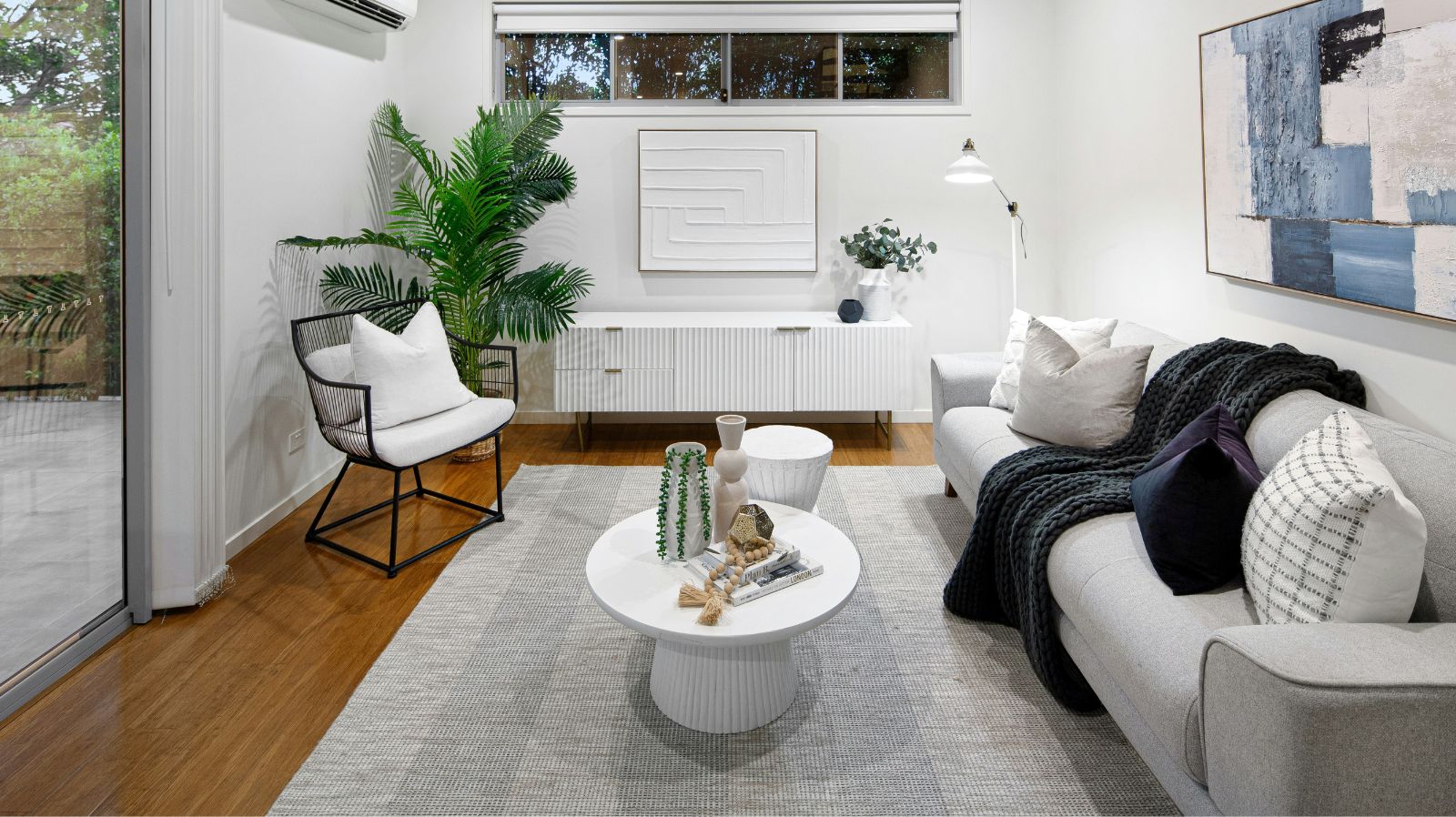
The US Environmental Protection Agency reports that Americans spend roughly 90 percent of their time indoors, where concentrations of some pollutants run two to five times higher than typical outdoor levels. The agency also links the rise in indoor pollutant concentrations over recent decades to energy efficient building construction that lacks sufficient mechanical ventilation, alongside greater use of synthetic building materials, furnishings, personal care products and household cleaners.

That is not an argument against insulation or air sealing. Reducing a building's energy demand remains one of the highest impact changes a household can make. It is an argument for treating ventilation as part of the same project rather than an afterthought. When a well sealed home has no deliberate way to bring fresh air in and push stale air out, it holds onto whatever is generated inside it, and the symptoms appear slowly enough that most people blame the season instead of the house.
Poor indoor air quality rarely announces itself. The clues tend to be small and easy to normalise, particularly if you have lived with them for a while. Watch for these patterns:
One common misconception is worth correcting. Dust mites themselves are not meaningfully airborne; they live in mattresses, bedding, upholstery and carpet. What becomes airborne are allergen fragments from their waste and body parts, disturbed when you make the bed or vacuum. That matters for treatment, because washing textiles at high temperature does more for dust mite allergy than any filter will.
Your heating and cooling system also offers signals. A clogged filter, a blocked return vent or noticeably weak airflow all reduce how much air gets filtered as it circulates.
Performance depends entirely on the technology inside the unit. A HEPA filter, as defined by the US Department of Energy, captures at least 99.97 percent of particles at 0.3 microns. That figure represents the hardest case rather than the ceiling: particles both larger and smaller than 0.3 microns are trapped with even higher efficiency. In practice that covers dust, pollen, pet dander, mould spores, fine particulate matter and the particle fraction of smoke.
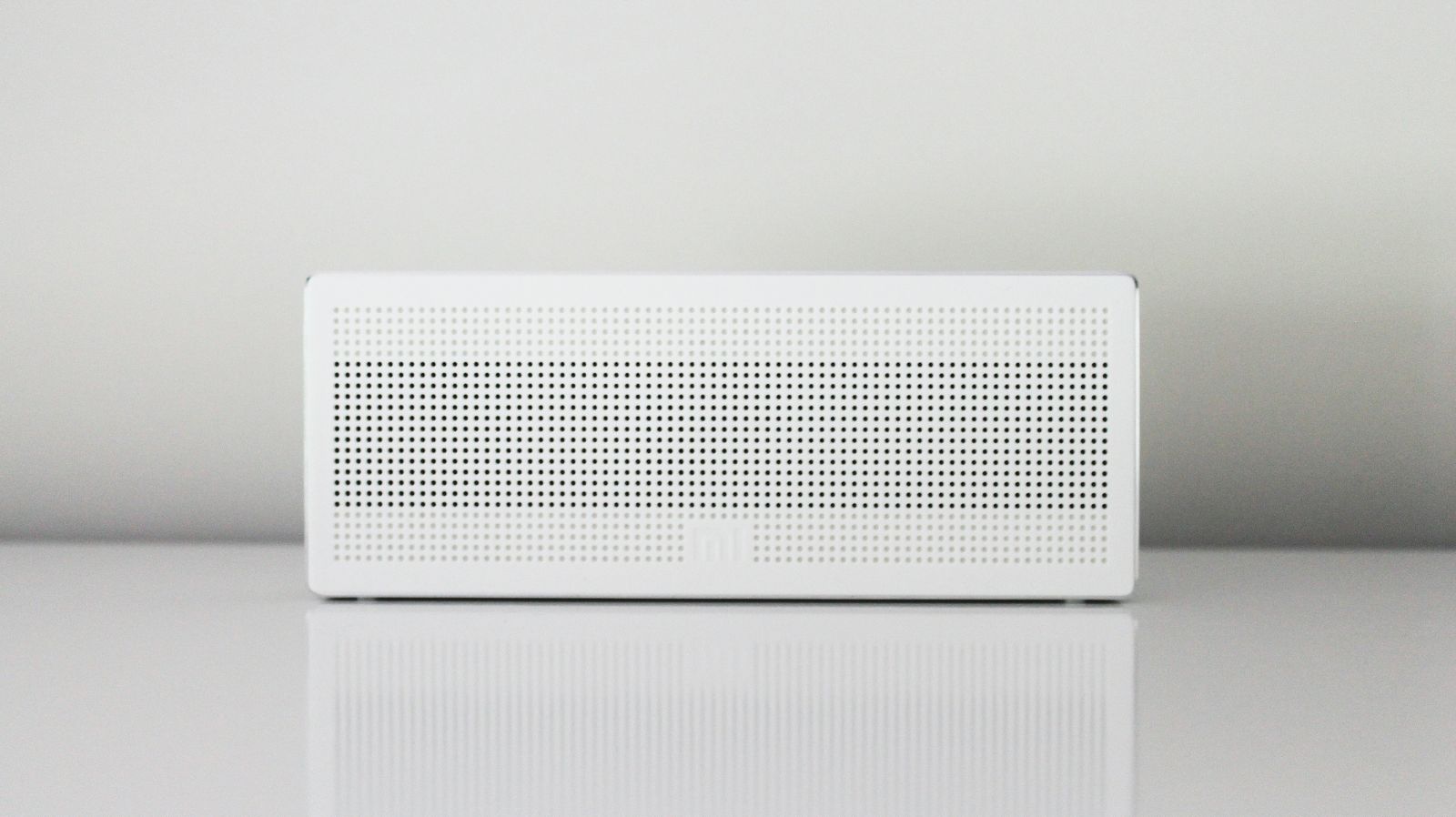
Gases are a different problem. Activated carbon filters adsorb some gases and odours, but the EPA notes there is no widely used performance rating system for gas removal, and effectiveness depends on how much carbon the filter actually contains. A thin carbon coating on a HEPA filter is not the same as a substantial carbon bed.
Just as importantly, a purifier does not address moisture, does not remove the carbon dioxide that builds up in occupied rooms, and does nothing about the source of a problem. If mould is growing because a wall is damp, filtering spores out of the air treats the symptom while the cause continues.
The lowest impact fix is usually not a purchase. Before adding a device that will draw power continuously for years, work through the cheaper options.
Start with source control. Repair leaks and reduce humidity, run extractor fans during and after cooking and showering, and switch to lower emission cleaning and personal care products. Certifications such as EPA Safer Choice offer a verified shortcut here, and our brand directory lists household brands that have been assessed against exactly this kind of criteria.
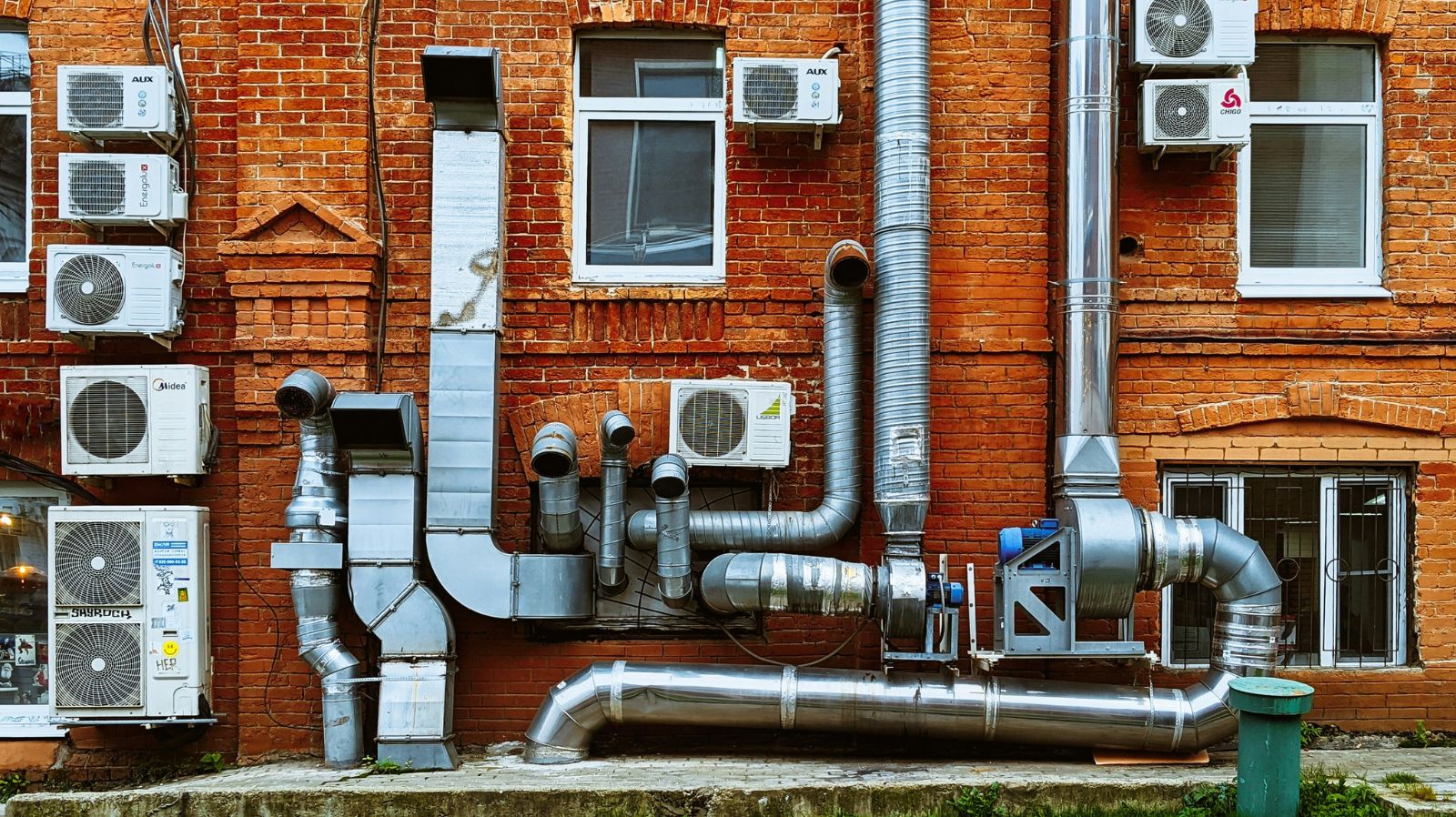
Next, check your existing filtration. Confirm the filter in your heating and cooling system is the correct grade, is seated properly, and is replaced on the manufacturer's schedule. A neglected filter reduces airflow and forces the system to work harder, which costs both air quality and energy.
If airflow is weak, if certain rooms never clear, or if you are unsure whether your home has adequate mechanical ventilation for how tightly it is built, that is a diagnosis worth paying for. An air conditioning service in Durham can identify whether the underlying issue is ventilation, ductwork or filtration before you spend money treating the wrong thing.
Once you have ruled out the alternatives, these are the specifications that matter.
Clean Air Delivery Rate. CADR measures how much filtered air a unit delivers, and the EPA advises choosing a rating appropriate to the room size. A bedroom sized unit will not clear a living room. Look for verification by the Association of Home Appliance Manufacturers rather than manufacturer claims alone.
Energy use. According to ENERGY STAR, a standard room air cleaner operating continuously uses approximately 394 kWh per year, more than the energy used by some new refrigerators. Certified models are more than 50 percent more efficient, saving roughly 211 kWh and between $18 and $40 annually. ENERGY STAR is not currently rated in the Green Hive certifications database, but for a device that may run around the clock, the efficiency difference is substantial.
Filter cost and waste. Replacement filters are a recurring purchase and a recurring waste stream. Check the price and the replacement interval before buying, not after. Models with washable pre filters extend the life of the main HEPA element, which reduces both cost and landfill volume.
Noise. A unit too loud to run in a bedroom overnight will not get used, which makes its efficiency irrelevant.
No ozone. The California Air Resources Board advises against using ozone generators in spaces occupied by people or animals, noting they are ineffective at cleaning indoor air and that inhaling ozone carries health risks. Since 2010, portable air cleaners sold in California must be CARB certified and emit no more than 0.050 parts per million of ozone. Marketing language such as "activated oxygen," "super oxygenated" or "energized oxygen" describes ozone.
An air purifier is a useful tool for a specific job: reducing airborne particles in a room where the source cannot be fully eliminated. It is not a substitute for ventilation, moisture control or choosing lower emission products in the first place. If you have worked through those and still have a particle problem, size the unit by CADR, choose a certified efficient model, budget for filters, and avoid anything that generates ozone. Approached that way, cleaner indoor air and lower household energy use are not competing goals. For more on how we assess the certifications referenced here, see our rating methodology.
Not necessarily. Running one in the room you occupy most, particularly a bedroom overnight, delivers most of the benefit for a fraction of the energy of continuous whole home operation. Many models include auto modes that adjust fan speed to measured air quality.
Some produce ozone as a byproduct. California requires portable air cleaners sold in the state to meet a strict ozone emission limit, which is a useful benchmark wherever you live. Mechanical filtration carries none of this risk, which is why HEPA plus activated carbon remains the safer default.
United States Environmental Protection Agency. (n.d.). Indoor air quality. US EPA. https://www.epa.gov/report-environment/indoor-air-quality
United States Environmental Protection Agency. (n.d.). What is a HEPA filter? US EPA. https://www.epa.gov/indoor-air-quality-iaq/what-hepa-filter
United States Environmental Protection Agency. (n.d.). Guide to air cleaners in the home. US EPA. https://www.epa.gov/indoor-air-quality-iaq/guide-air-cleaners-home
ENERGY STAR. (n.d.). Air cleaners. ENERGY STAR. https://www.energystar.gov/products/air_cleaners
California Air Resources Board. (n.d.). Hazardous ozone-generating air purifiers. CARB. https://ww2.arb.ca.gov/our-work/programs/air-cleaners-ozone-products/hazardous-ozone-generating-air-purifiers
California Air Resources Board. (n.d.). Air cleaner information for consumers. CARB. https://ww2.arb.ca.gov/air-cleaner-information-consumers






.svg)
