
.png)
Solar Panel Installation Safety on Commercial Roofs
Green Hive Editorial Team
March 26, 2022
More gardeners are building greenhouses. Here is what they deliver, how to pick one that lasts, and how to keep the footprint small.

Green Hive is reader-supported. When you purchase through links on our site, we may earn an affiliate commission. To understand our thorough approach to rating brands and products, explore our comprehensive methodology.
Green Hive is reader-supported. When you purchase through links on our site, we may earn an affiliate commission. To understand our thorough approach to rating brands and products, explore our comprehensive methodology.
Home greenhouses are showing up in more backyards, on more patios, and in more garden forums than they did a decade ago. Part of the appeal is practical: a covered structure lets you start seedlings earlier, protect tomatoes from a surprise frost, and pick salad greens well into autumn. Part of it is about food. Rising grocery prices and a growing interest in where produce comes from have pushed many households to grow at least some of what they eat.
For eco-conscious gardeners, though, a greenhouse raises questions as well as possibilities. Does the plastic in the panels undo the benefit of homegrown food? Does heating a structure through winter make sense? This guide looks at what home greenhouses actually deliver, how to choose one that lasts, and where the environmental trade-offs sit.
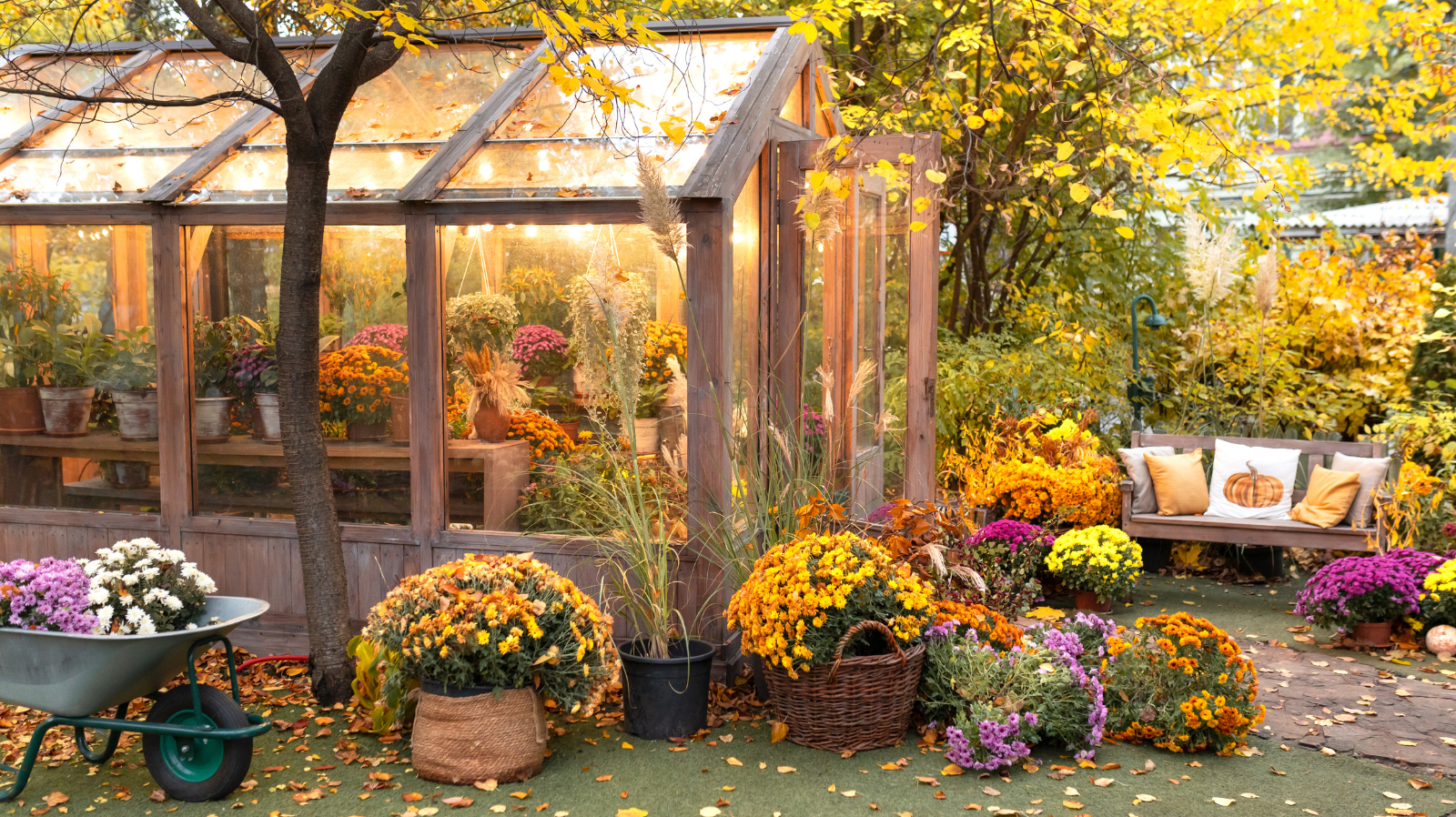
The core benefit of any greenhouse is a longer season. Sunlight passes through the covering, warms the soil and air inside, and the structure slows that heat from escaping overnight. The result is a microclimate several degrees warmer than the open garden, which is often enough to shield seedlings from late spring frosts and keep warm-season crops producing after the first autumn cold snap.
The USDA Natural Resources Conservation Service has funded thousands of unheated high tunnels for exactly this reason. Its fact sheets describe season extension as an energy-efficient practice because the structures rely on passive solar gain rather than fuel. The same agency notes that covering crops reduces nutrient runoff and can lower pesticide use, since plants are shielded from heavy rain and many pests.
For home growers, the practical outcome is straightforward. Leafy greens, radishes, and herbs can go in weeks before the outdoor beds are workable. Tomatoes, peppers, and cucumbers keep ripening into October or November in many temperate regions. Some gardeners in milder zones harvest hardy greens through winter with nothing more than a second layer of row cover inside the structure.
The important caveat is heat. An unheated greenhouse costs nothing to run. A heated one can consume a surprising amount of electricity or gas, and for a hobby-scale structure that energy use can cancel out the environmental benefit of growing your own food. Most home gardeners get the best return by working with the passive season rather than fighting the climate.
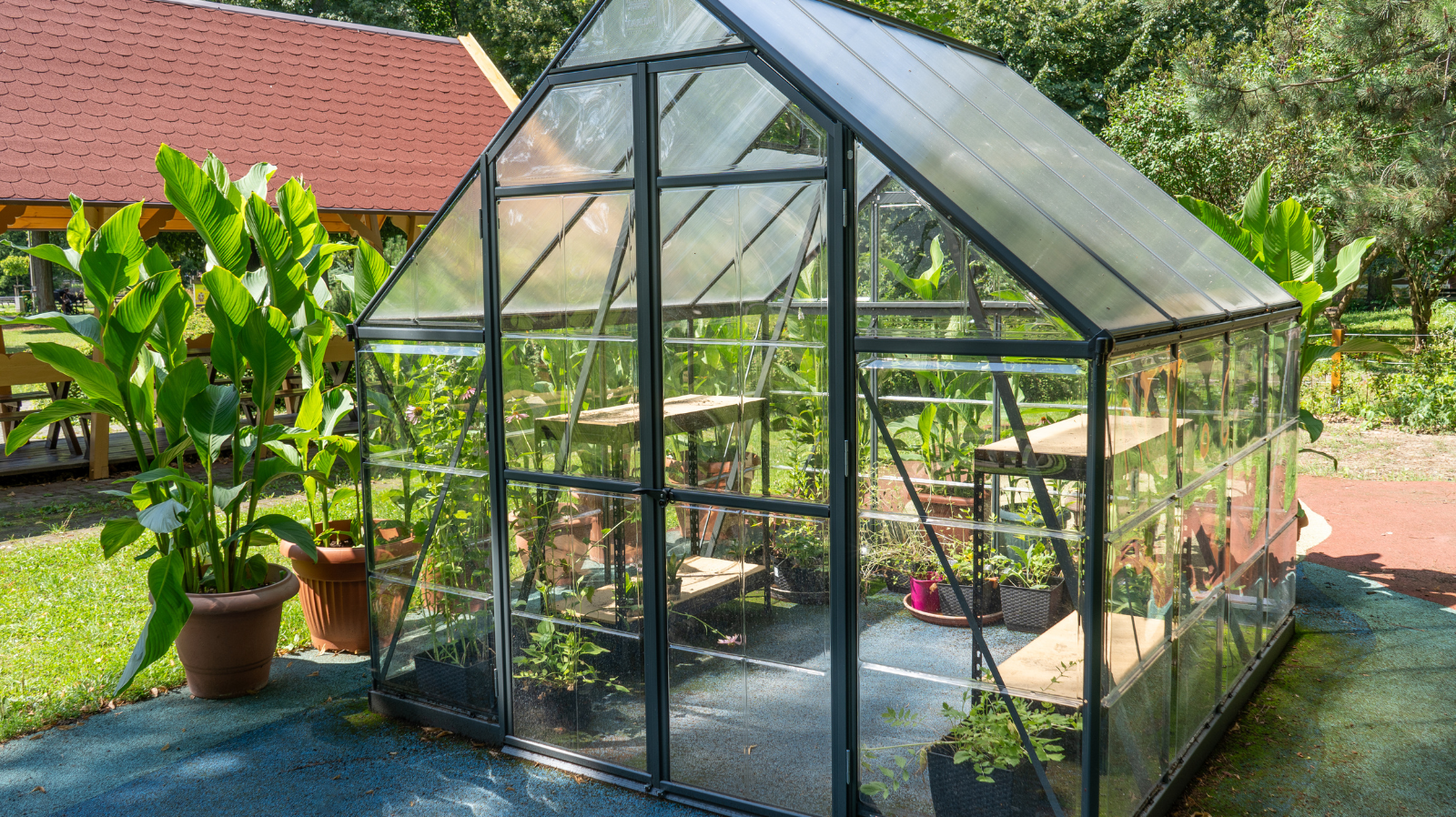
The most sustainable greenhouse is one you only buy once. Frames that buckle under snow load or panels that yellow and crack after a few summers end up in landfill and get replaced, which doubles the material footprint. Many homeowners choose greenhouse kits for growers with pre-cut steel or aluminum frames and rated cover panels, because a well-engineered kit is easier to assemble correctly than a DIY build and is more likely to survive wind and winter storms.
Glazing is the biggest decision. According to Washington State University Extension, polyethylene film typically lasts one to four years depending on UV treatment, while a double layer of film cuts winter heat loss by 30 to 40 percent compared with glass. Rigid multi-wall polycarbonate panels sit between the two options: they insulate well, resist hail, and generally last 10 to 20 years. Glass lasts longest of all, often beyond 25 years, but it insulates poorly, breaks on impact, and carries a heavy manufacturing footprint.

For most home gardeners, polycarbonate offers the best balance of longevity and thermal performance. If you choose film, look for UV-stabilized grades and plan to recycle it through an agricultural plastics program where one exists, since standard curbside collection rarely accepts it.
Ventilation is the other design detail that gets overlooked. Roof vents, roll-up sides, or automatic vent openers that respond to temperature prevent heat buildup in summer without any electricity. A structure that overheats in July is as much of a problem as one that freezes in February.
Weather is the most obvious threat a greenhouse removes. Hail shreds leaves, heavy rain compacts soil and splashes fungal spores onto foliage, and wind snaps stems and dries out beds. Inside a covered structure, foliage stays dry and soil structure stays intact. Shielding plants inside firm frames keeps humidity high enough to reduce wind stress while still allowing airflow through vents, and dry leaves mean fewer fungal outbreaks.
.png)
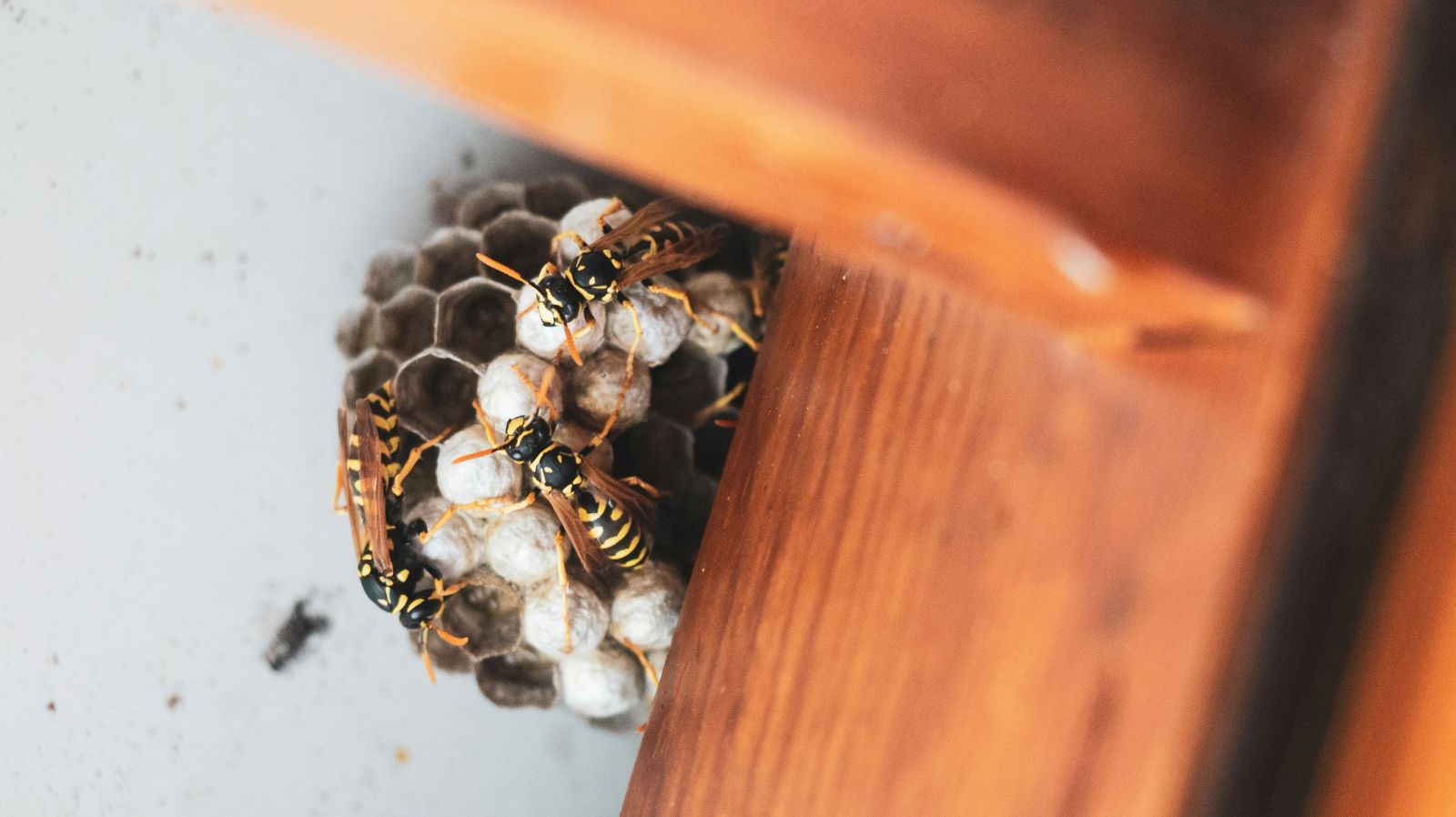
The pest benefits are just as significant. Solid walls exclude deer, rabbits, and squirrels, and fine mesh over vents keeps out many flying insects. Beneficial insects such as ladybugs or predatory mites can be released inside and stay put rather than dispersing across the neighborhood. Combined with clean potting mixes or mulched beds that suppress weed seeds, this gives gardeners a realistic route to growing without synthetic sprays.
None of this is automatic. An enclosed, humid space can also favor aphids, whitefly, and mildew if it is poorly ventilated or overcrowded. Regular inspection, adequate plant spacing, and prompt removal of affected leaves matter more inside a greenhouse than out. Managed well, though, a covered garden typically needs fewer interventions than an open bed, which is one of the reasons the USDA counts reduced pesticide transport among the environmental benefits of high tunnels.
Beyond the garden itself, a greenhouse changes where food comes from. Every tomato harvested in your yard in October is one that did not travel from a heated commercial glasshouse or a distant growing region. USDA fact sheets list reduced transportation inputs and a local source of fresh produce among the reasons the agency supports season-extension structures.
The cost side reinforces this. Seed packets cost a few dollars, and high-yield crops like peppers, cucumbers, and salad greens produce for months under cover. Surplus can be frozen, canned, or dried for winter. The upfront cost of a durable structure spreads across many seasons of harvests.
Space is less of a barrier than many people assume. Lean-to models attach to a house wall and borrow its stored warmth. Compact freestanding units fit patio corners, and vertical shelving multiplies the growing area per square foot. Portable pop-up frames suit renters and can be relocated to follow the sun through the year, since these light setups build fast without heavy concrete bases or deep anchors. Modular kits can be extended as your needs grow rather than replaced.
For readers weighing the wider picture, Green Hive's sustainable living guides cover related topics from composting to water-saving irrigation, and our brand directory lists garden and home companies that have passed a sustainability review.
Home greenhouses are gaining ground because they solve real problems: short seasons, unpredictable weather, pest pressure, and rising food costs. Used passively, they extend the harvest with no added energy, reduce the need for chemical inputs, and bring a meaningful share of a household's fresh produce within a few steps of the kitchen.
The sustainability case depends on the choices you make. A durable frame with long-lived glazing, good ventilation, and no heater delivers most of the benefit with a small footprint. A heated structure covered in short-life film may not. Buy once, buy sturdy, and let the sun do the work.
USDA Natural Resources Conservation Service. (2021, January). High tunnels: Conservation fact sheet. U.S. Department of Agriculture. https://www.nrcs.usda.gov/sites/default/files/2022-08/High%20Tunnel%20Factsheet%20General%20January%202021%20Updated.pdf
USDA Natural Resources Conservation Service. (2020, April). EQIP High Tunnel Initiative factsheet. U.S. Department of Agriculture. https://www.nrcs.usda.gov/sites/default/files/2022-10/NRCS%20EQIP%20High%20Tunnel%20Factsheet.pdf
Washington State University Extension. (n.d.). Greenhouse structures. https://extension.wsu.edu/clark/agbusiness/garden-center-nursery-management/greenhouse-structures
University of Arkansas. (n.d.). Greenhouse glazing materials (Unit 3, Section 2). Greenhouse Production Online Course. https://greenhouse.hosted.uark.edu/Unit03/Section02.html






.svg)
