
.png)

Sustainable Aging in Place: Eco-Friendly Home Safety
Green Hive Editorial Team
March 26, 2022
Transformer waits now stretch to four years. Here is how temporary and rental power keeps clean energy, electrification, and grid upgrade projects moving, and where its green claims actually hold up.

Green Hive is reader-supported. When you purchase through links on our site, we may earn an affiliate commission. To understand our thorough approach to rating brands and products, explore our comprehensive methodology.
Green Hive is reader-supported. When you purchase through links on our site, we may earn an affiliate commission. To understand our thorough approach to rating brands and products, explore our comprehensive methodology.
Every solar farm, wind project, EV charging hub, and electrified factory shares one requirement: a working connection to reliable electricity. Temporary power often fills the gap between breaking ground and full energization, especially now that the transformers these projects depend on can take years to arrive. The International Energy Agency reports that lead times for large power transformers have almost doubled since 2021 and can now reach four years. That delay puts clean energy timelines, grid upgrades, and industrial electrification at risk. This article looks at how temporary and rental power supports more resilient infrastructure, where it genuinely reduces environmental impact, and where it does not.
Demand for grid equipment has climbed faster than manufacturers can supply it. The IEA's 2025 report Building the Future Transmission Grid found that procuring a large power transformer can now take up to four years, with average lead times nearly double what they were in 2021. Industry surveys reported by POWER put standard power transformers at roughly 128 weeks, nearly two and a half years, as of mid 2025.
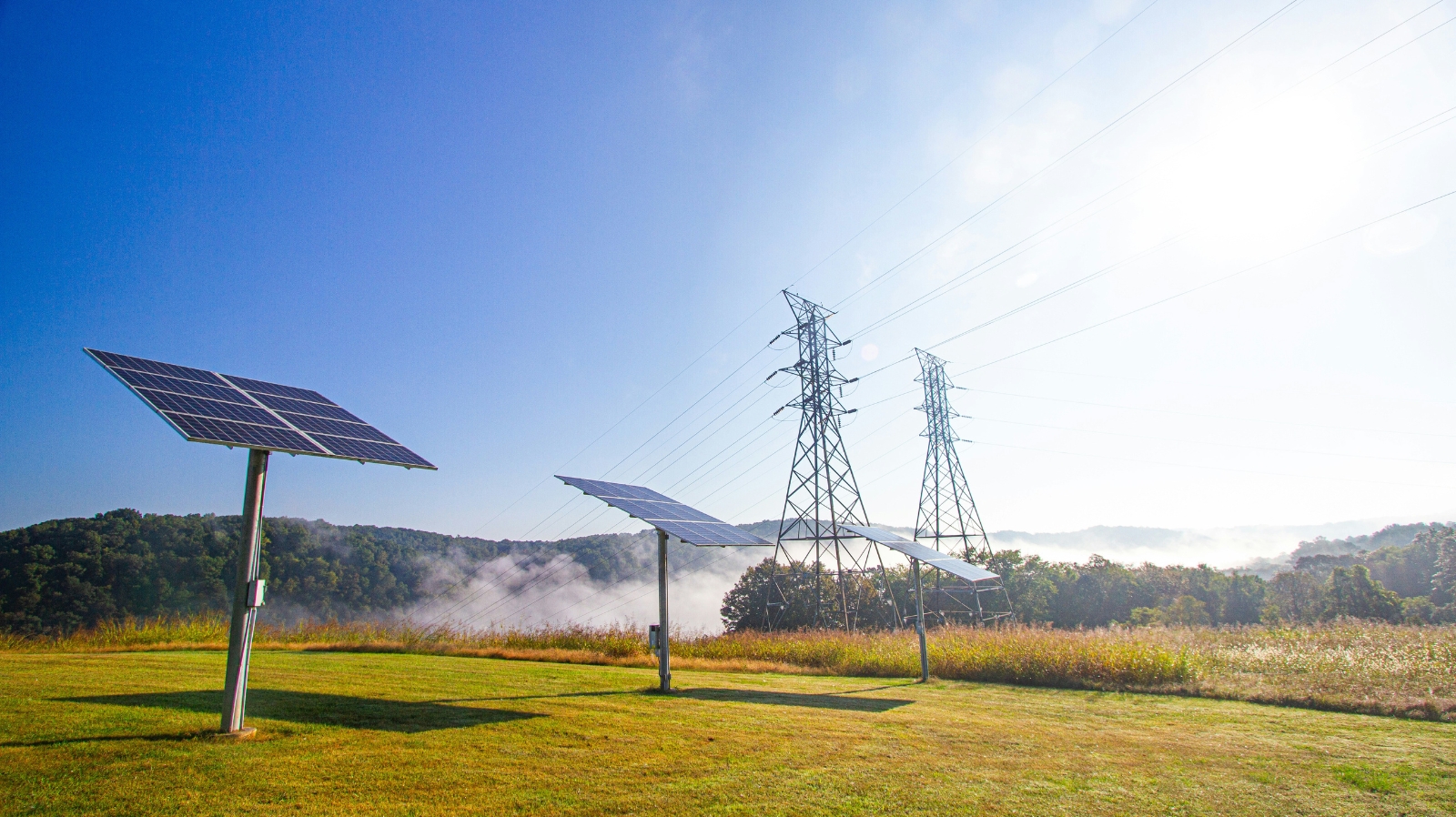
Several forces drive this at once: aging equipment, rapid electrification of transport and industry, and new load from data centers. Much of the US grid is decades old, with a large share of transformers past 25 years in service, so replacements and upgrades compete for the same limited supply as new clean energy projects.
The consequence is direct. pv magazine reports that utility scale renewable projects risk becoming stranded assets if they cannot secure transformers in time to finish. A wind or solar installation that is built but cannot connect delivers no clean electricity and no return.
Temporary power gives project teams a way to keep working while permanent equipment is still in the queue. Rather than pausing a site for months or years, crews can energize lighting, testing, commissioning, and early operations using temporary transformers and generators.
This matters most for projects tied to the energy transition. Solar and wind developers, EV charging operators, and manufacturers electrifying their processes all face the same lead time problem. A transformer rental can bridge the gap so a nearly finished renewable site is not left idle while a permanent unit ships.
Temporary power also supports commissioning and phased startups, letting parts of a facility come online while the rest is completed. For time sensitive clean energy incentives or grid interconnection windows, that difference can decide whether a project meets its deadline or slips into another year.
Delays carry an environmental cost that is easy to overlook. Idle equipment, repeated mobilizations, and rework all consume fuel, materials, and labor. When a project stalls waiting for one component, crews and machines often sit unused or return later, which adds trips, emissions, and cost.
Keeping work on schedule reduces that waste. Temporary power helps sequence tasks so materials and equipment arrive and get used when planned, rather than sitting exposed or being handled twice.
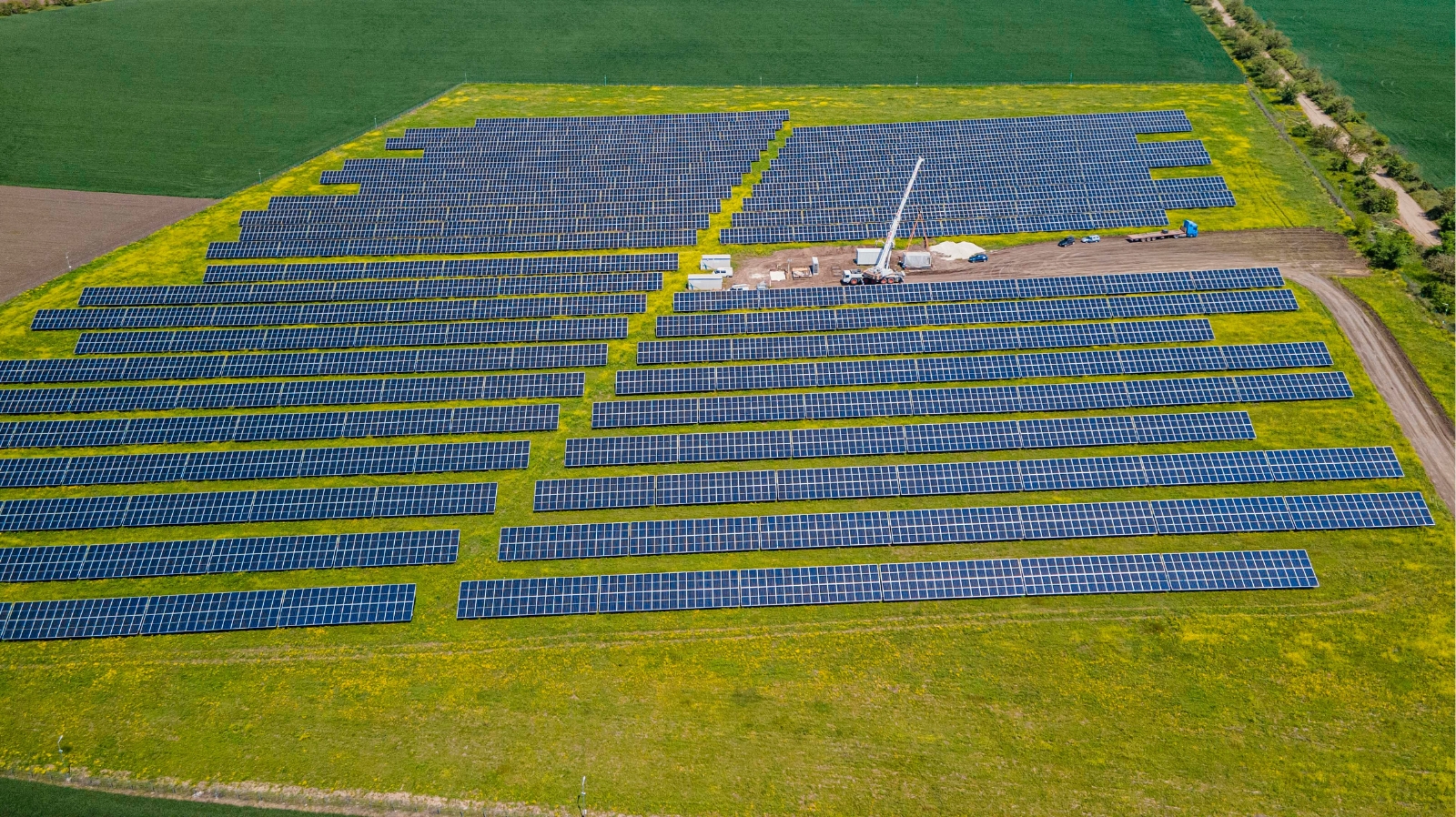
Rental equipment adds a further efficiency. A single fleet of transformers and generators serves many projects over its lifetime, so the materials embodied in that equipment are spread across far more work than a unit bought for one site and then idled. Higher utilization is a core principle of resource efficiency, and shared rental fleets fit that model well.
Temporary power is not only for new construction. Manufacturing plants, hospitals, utilities, and commercial buildings all reach points where parts of their electrical systems must come offline for upgrades or repairs. Temporary transformers can carry the load during that window so operations continue instead of stopping.
This supports grid resilience in a broader sense. As extreme weather events grow more frequent and equipment ages past its designed life, the ability to restore or maintain power quickly becomes part of climate adaptation. Rental equipment can act as a bridge after a failure while permanent repairs are completed.
Planning for these situations before they happen, including identifying reliable partners and understanding load requirements, leaves organizations better prepared to respond without long, disruptive outages.
The benefits above depend on planning early rather than reacting late. Defining electrical loads, installation schedules, and site conditions in advance gives teams time to evaluate options before decisions become urgent. Coordination between contractors, engineers, utilities, and equipment suppliers reduces uncertainty and keeps everyone working toward the same timeline.
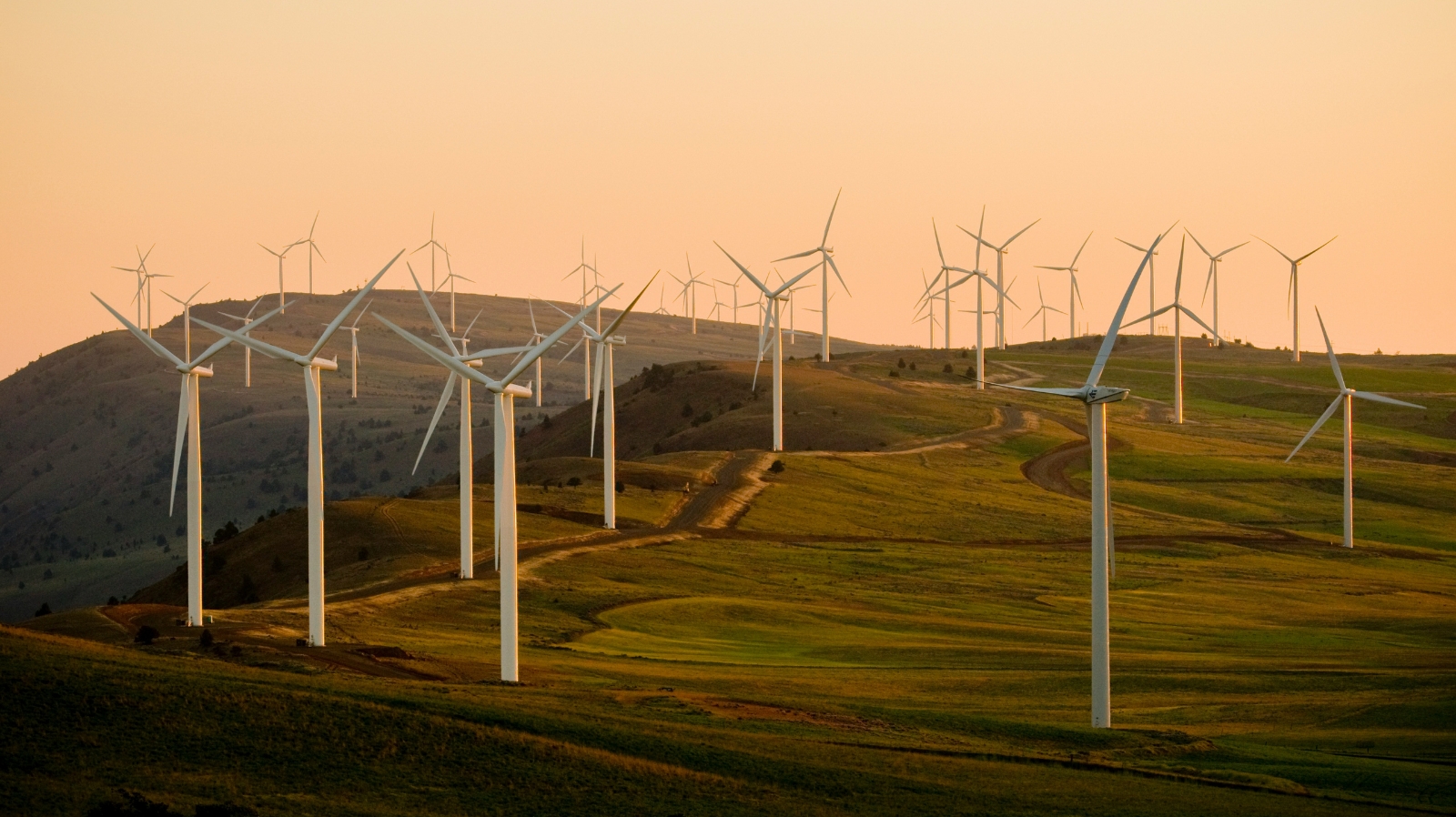
It is worth being clear about what temporary power does and does not do. Temporary power is an enabler, not a sustainable product in its own right. Diesel powered temporary supply carries its own emissions, so the environmental case rests on reducing waste and delay and, where possible, choosing cleaner temporary generation. Presenting rental equipment as automatically green would be its own form of greenwashing.
Used honestly, temporary power supports the wider shift toward sustainable operations that Green Hive tracks across sustainable brands and industries. It keeps the projects that make the grid cleaner and more reliable from stalling.
Resilient infrastructure depends on more than permanent equipment. It also depends on the ability to keep working when a key component is years away from delivery. With transformer lead times stretching to four years, temporary and rental power has become a practical way to keep clean energy, electrification, and grid upgrade projects on schedule.
The sustainability value is real but conditional. It comes from preventing stranded projects, cutting wasted work, and making better use of shared equipment, not from the temporary equipment being green by default. Teams that plan for temporary power early, coordinate across partners, and choose cleaner options where they can will get the most benefit. For readers following the wider transition, our sustainability coverage tracks how these choices add up across brands and industries.
Demand for transformers has surged because of grid modernization, renewable energy, electrified transport, and data centers, while manufacturing capacity and raw materials like grain oriented electrical steel remain constrained. The IEA reports that lead times have almost doubled since 2021, reaching up to four years for large power transformers.
Temporary power is best understood as an enabler rather than a green product. Its environmental value comes from keeping clean energy and upgrade projects on schedule and reducing wasted work. The overall impact still depends on how the temporary supply is generated, so cleaner options are preferable where available.
Rental typically makes sense when a project is close to completion but cannot secure a permanent transformer in time, when a facility needs to stay online during an upgrade, or when an unexpected failure requires a quick bridge while permanent repairs are arranged.

.webp)






.svg)
