
.png)
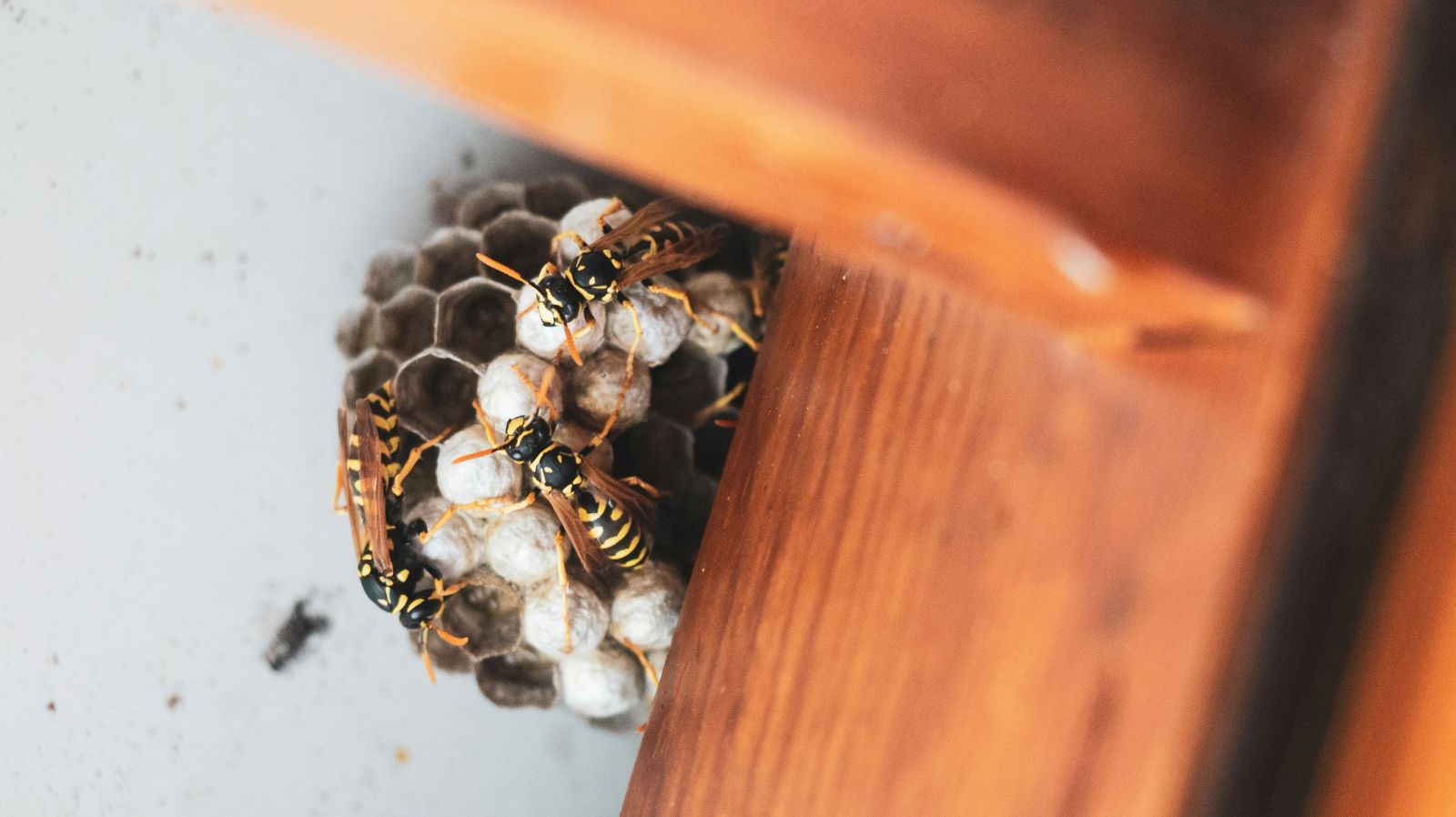
Pest Control Mistakes That Compromise Your Home's Safety and Sustainability
Green Hive Editorial Team
June 21, 2023
Sustainable pest control is a sequence, not a checklist. Four steps, from soil health to beneficial insects, that keep your garden productive without reaching for synthetic pesticides.

Green Hive is reader-supported. When you purchase through links on our site, we may earn an affiliate commission. To understand our thorough approach to rating brands and products, explore our comprehensive methodology.
Green Hive is reader-supported. When you purchase through links on our site, we may earn an affiliate commission. To understand our thorough approach to rating brands and products, explore our comprehensive methodology.
For the Green Hive community, sustainability rarely stops at the front door. The same readers who research third-party certifications before buying a mattress or a set of bamboo dishware are often the ones tending a raised bed out back, trying to grow food and flowers without reaching for synthetic chemicals. Garden pests are a natural extension of that same values-driven mindset: the question isn't just how to get rid of bugs, it's how to do it in a way that respects soil, water, and the beneficial insects your garden depends on.
That's why a step-by-step approach matters more than a grab-bag of tips. Prevention works best as a sequence, not a checklist, and understanding 3 common garden pests and how to prevent them gives you a foundation to build the rest of your season around. Below is a practical order of operations you can follow from the ground up, literally starting with your soil and working outward to the insects flying above it.
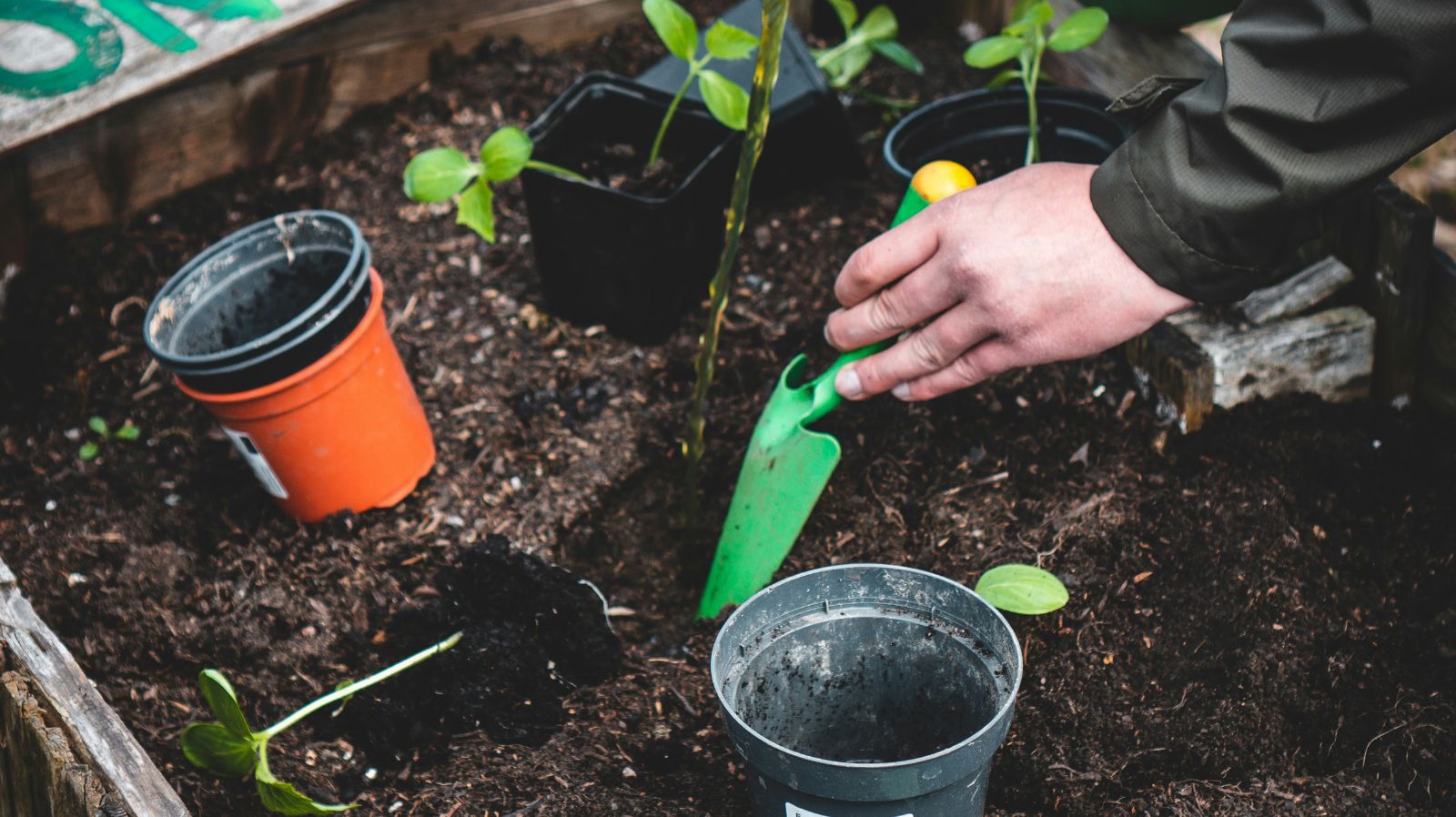
Before you worry about a single bug, look down. Soil health is the first and most overlooked line of defense against garden pests, and it's worth treating as step zero rather than an afterthought. According to eOrganic, a Cooperative Extension resource for organic growers, soils high in organic matter support vigorous growth in plants that are better able to tolerate pest damage, and those same soils host natural enemies of insect pests including predators, pathogenic fungi, and insect-parasitic nematodes. Compost, cover crops, and consistent watering all contribute to that resilience, and they cost nothing but time.
Once your soil is in good shape, choose plant varieties bred for disease and pest resistance where possible, and avoid overcrowding, which traps humidity and invites problems. Mulching supports the same goal by holding moisture and suppressing weeds, and our low-waste guide to garden mulch covers how to measure your beds and buy only what you actually need. Rotate crop families each season so pests that overwintered in the soil don't find their preferred host waiting for them in the same spot. This single step, done consistently, reduces the workload for everything that follows, because a vigorous plant is simply a harder target.
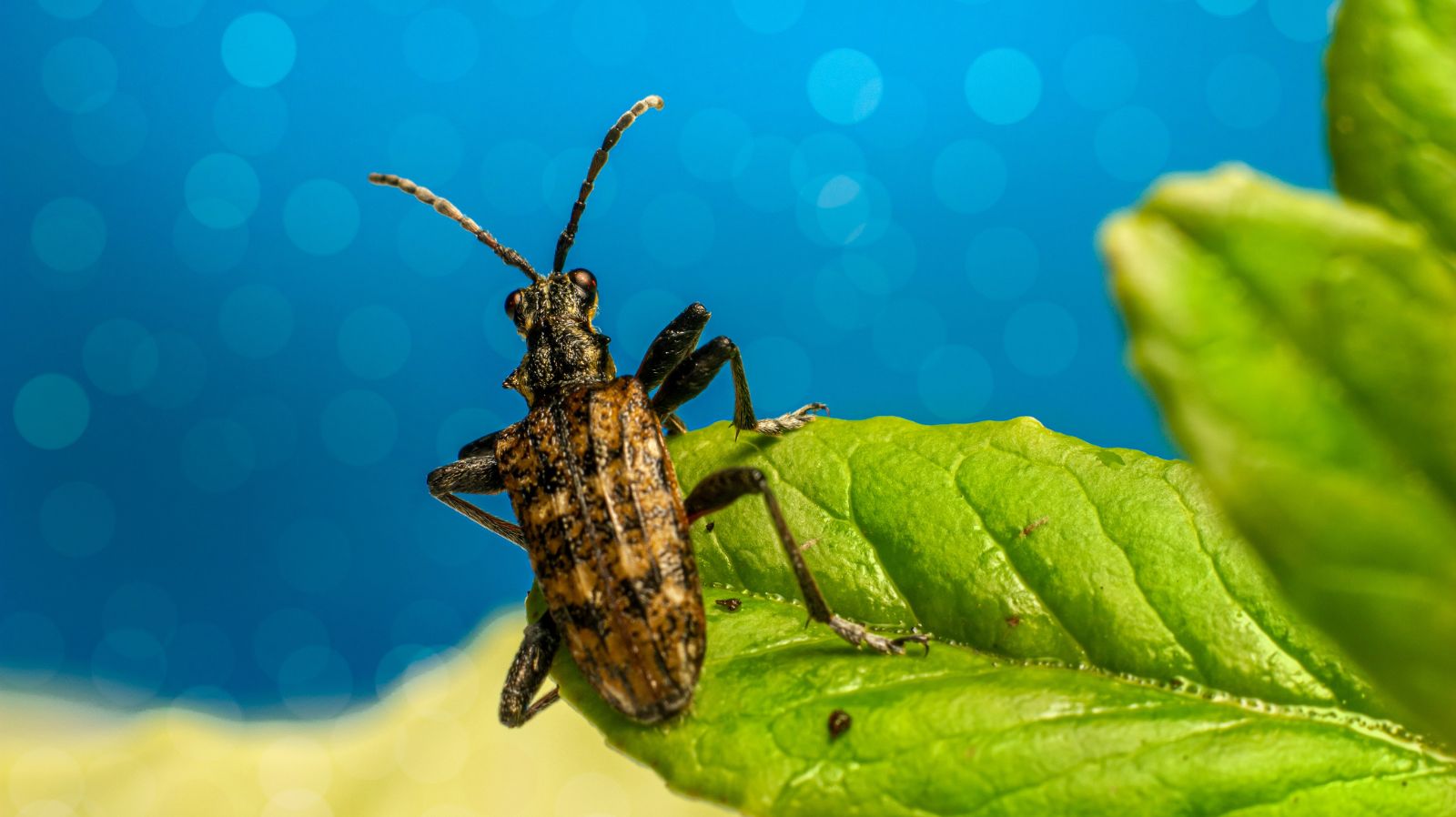
With your foundation set, the next move is learning to recognize exactly what you're up against, because misidentifying a pest often leads to the wrong control method and wasted effort. Squash bugs leave behind speckled, wilting leaves and cluster in the crevices of vines; cucumber beetles chew ragged holes in leaves and can spread bacterial wilt as they feed; aphids cluster on new growth and leave a sticky residue called honeydew that attracts sooty mold. According to Illinois Extension, the pests most frequently scouted in northern Illinois during 2024 were squash bugs, cucumber beetles, aphids, cabbage loopers, and mealybugs, and the integrated pest management strategies that combine biological, cultural, mechanical, and preventive controls work best when applied before an infestation takes hold.
Cabbage loopers announce themselves through irregular holes in brassica leaves and small green droppings, while mealybugs show up as cottony white clusters at leaf joints and stems, particularly on houseplants that spend part of the year outdoors. Walk your garden every few days with this shortlist in mind, checking undersides of leaves and new growth first, since that's where most of these pests establish. Early identification is what separates a minor nuisance from a full-blown outbreak, and it takes only a few minutes if you make it part of your regular routine.
Once you know what you're dealing with, act before populations build rather than after. The EPA's integrated pest management framework places prevention ahead of any pesticide decision, using cultural methods such as crop rotation and pest-resistant varieties as the first line of control, and the agency notes the same approach scales down from commercial fields to a backyard bed. Row covers keep squash bugs and cucumber beetles off young plants during their most vulnerable stage, and they can simply be removed once flowering requires pollinator access. Sticky traps, sanitation practices like removing plant debris where pests overwinter, and trap cropping, which means planting a sacrificial crop that pests prefer over your main harvest, are all standard organic methods that reduce populations without synthetic pesticides.
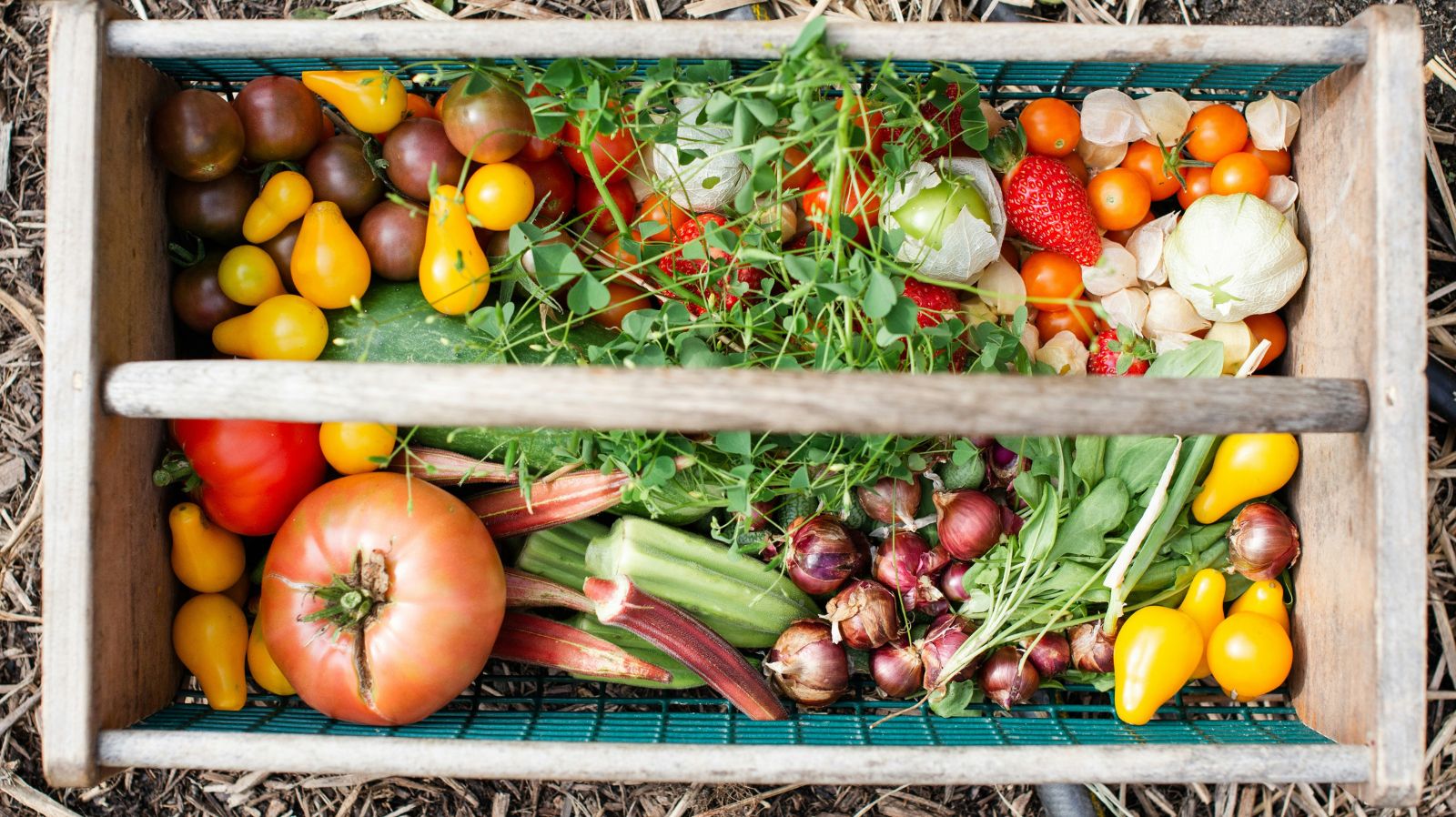
These cultural controls work because they interrupt the pest life cycle at a predictable point, whether that's blocking adult beetles from laying eggs or removing the leaf litter where larvae shelter over winter. Handpicking remains surprisingly effective too; university extension programs consistently rank it among the best home garden controls for Japanese beetles, precisely because it's immediate and requires no special equipment. Combine two or three of these tactics rather than relying on one, since layered defenses catch what a single method misses.
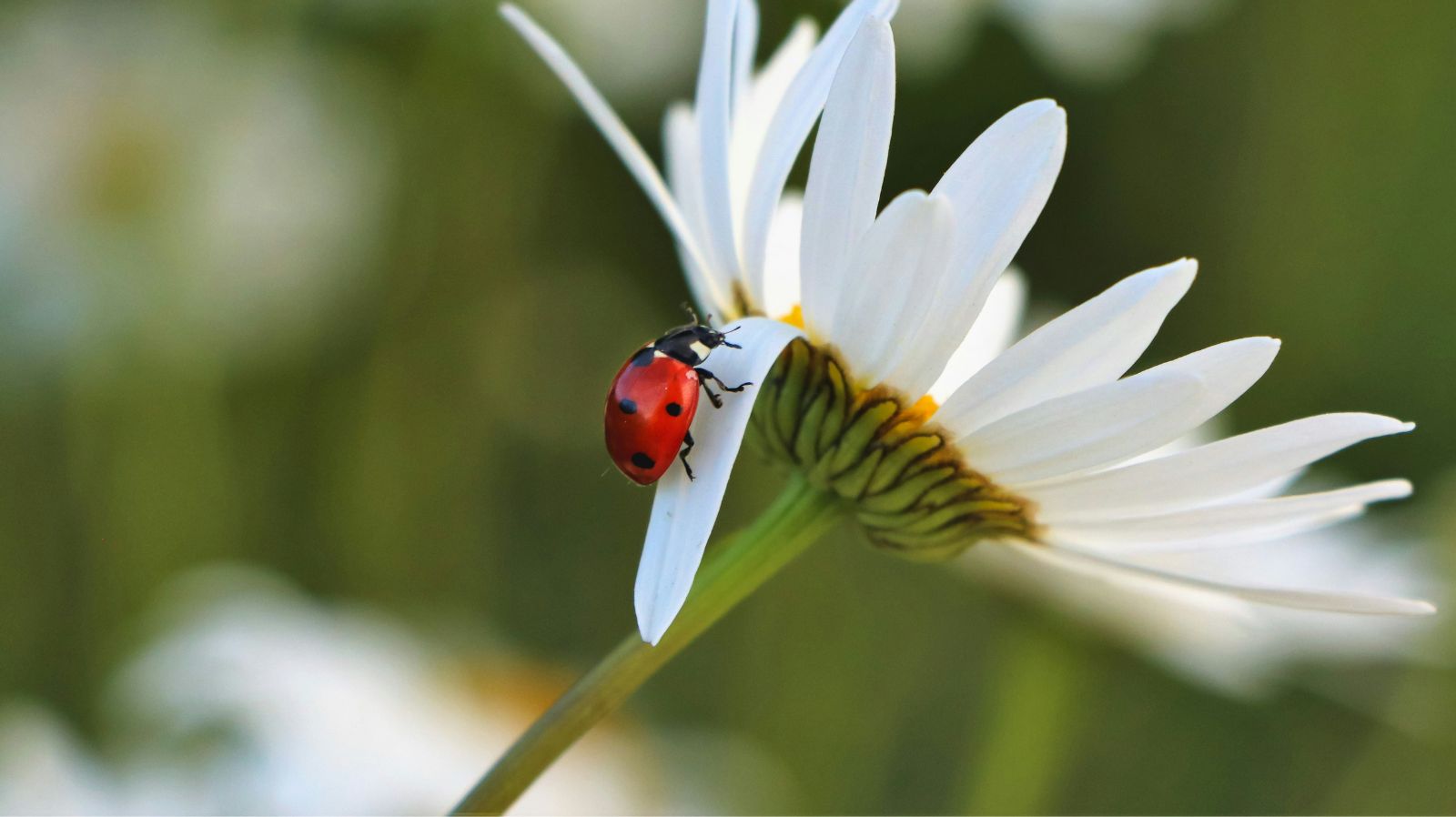
The final step is to recruit help. Ladybugs, lacewings, and parasitic wasps all prey on aphids and other soft-bodied pests, and you attract them by planting diverse flowering species like dill, yarrow, and alyssum near your vegetables. Clemson Cooperative Extension notes that small-flowered plants of this kind are particularly attractive to the tiny parasitic wasps and flies that feed on nectar and pollen and use pest species to reproduce. This same instinct toward layered, natural systems shows up in how many Green Hive readers furnish their homes too, choosing pieces built from renewable materials the same way they choose plants that support a living ecosystem, an approach reflected in the kind of thinking behind home eco products designed to work with natural cycles rather than against them.
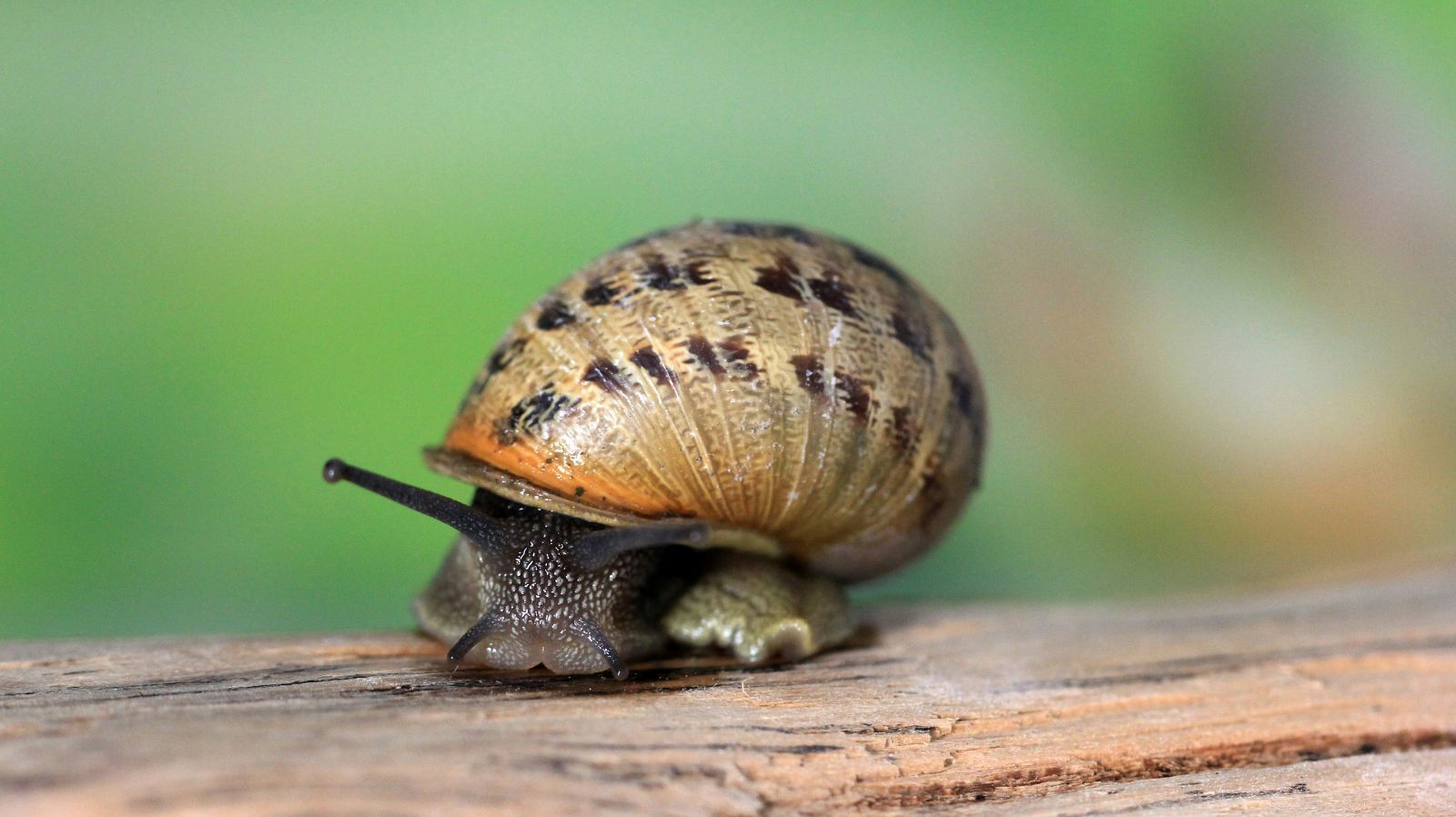
Keep monitoring weekly even after beneficial insects arrive, since prevention is an ongoing practice rather than a one-time fix. Integrated pest management is most effective as a preventive strategy applied consistently, not as an emergency response once damage is already visible. A quick walk-through with a notebook or phone camera lets you track trends over the season, so you catch a new aphid colony while it's still small enough for a strong blast of water or a beneficial insect to handle.
Sustainable pest control isn't a single product or trick, it's a sequence you repeat every season with small adjustments based on what you observe. Start with soil, learn to identify what's actually attacking your plants, block it physically before it multiplies, and then let nature's own predators finish the job. Followed in that order, this approach keeps your garden productive without compromising the same environmental values that likely brought you to sustainable living in the first place.







.svg)
