
.png)

How Healthcare Providers Can Manage Different Waste Streams Responsibly
Green Hive Editorial Team
March 26, 2022
Explore natural and sustainable approaches to livestock care, including regenerative practices, animal welfare strategies, and holistic methods for stronger, healthier animals.

Green Hive is reader-supported. When you purchase through links on our site, we may earn an affiliate commission. To understand our thorough approach to rating brands and products, explore our comprehensive methodology.
Green Hive is reader-supported. When you purchase through links on our site, we may earn an affiliate commission. To understand our thorough approach to rating brands and products, explore our comprehensive methodology.
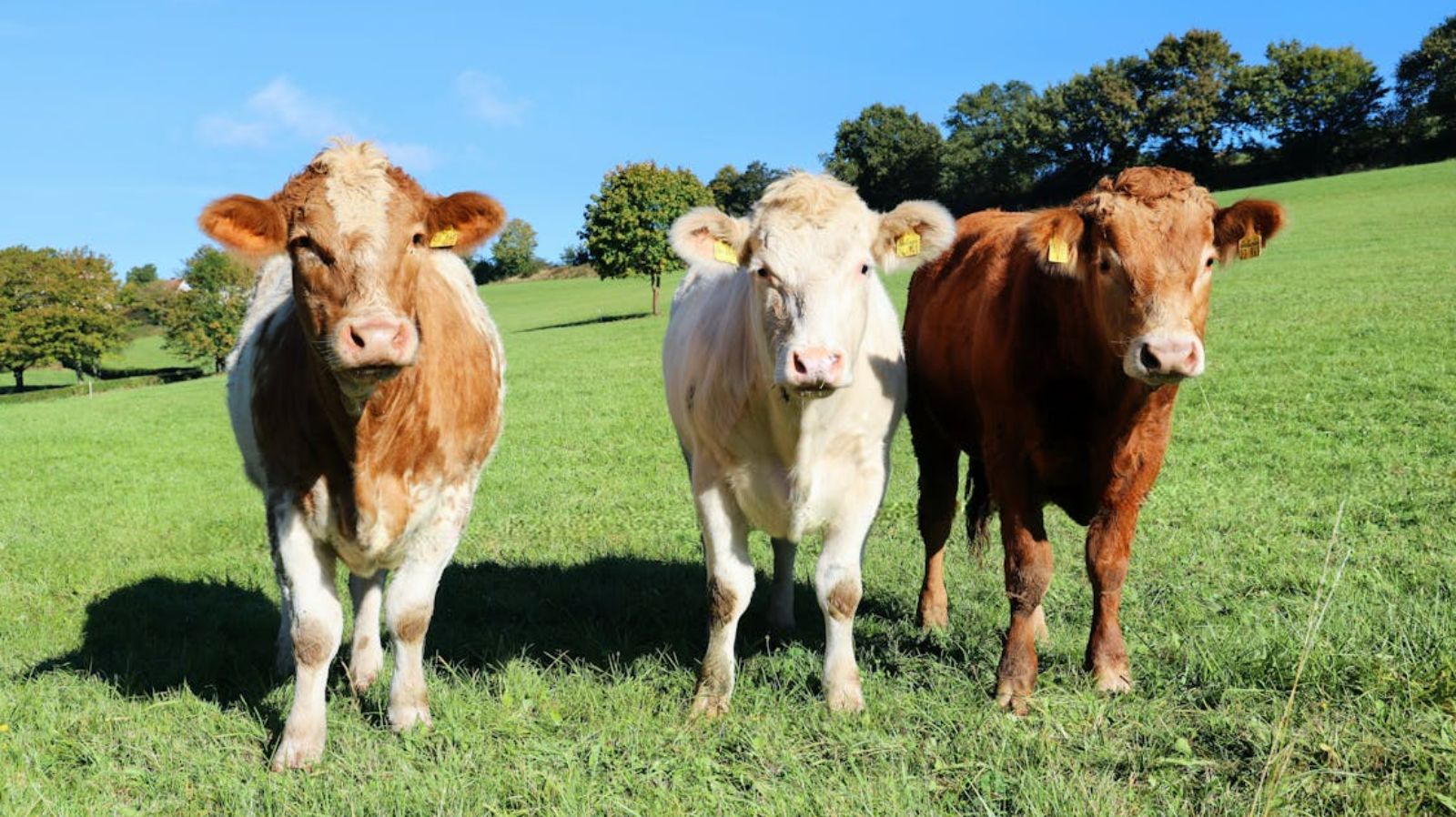
The practices that drive these outcomes tend to cluster around a few consistent pillars. Rotational grazing keeps pastures productive and reduces parasite pressure by giving land time to recover between grazing cycles. Low-stress handling lowers cortisol spikes that compromise immunity and disrupt weight gain. Thoughtful nutrition support, drawn from natural feed sources and mineral balance, builds resilience from the inside out. Cleaner, less crowded living conditions reduce pathogen load and the need for routine antibiotic use.
Together, these elements form the foundation of holistic management, an approach that treats feed efficiency, animal welfare, and antibiotic reduction not as competing priorities but as outcomes that reinforce each other when the system is working as it should.
Sustainable animal care in practice means building daily routines around what animals actually need to stay healthy, rather than reacting to problems after they appear. The core pillars are straightforward:
These aren't isolated tactics. Within a holistic management framework, feed efficiency, animal welfare, and antibiotic reduction stop being competing priorities and start reinforcing each other. When the system is working, the outcomes follow naturally.
The condition of the land shapes the condition of the animal. That connection runs through every section of this article, and it starts with how pastures are managed day to day.
Rotational grazing addresses land condition directly by dividing pasture into smaller paddocks and moving livestock through them in a planned sequence, giving each section time to rest and regrow before animals return.
.jpg)
This recovery period is where the system earns its value. Overgrazing compacts soil, depletes root systems, and reduces the diversity of plant species that make forage nutritious. When paddocks rest, soil biology rebounds, root depth increases, and the sward becomes denser and more varied. Research supported by the Savory Institute has documented how managed grazing, applied consistently, can reverse land degradation and increase long-term carrying capacity without chemical inputs.
Parasite pressure also drops meaningfully under rotational systems. Larvae deposited on grazed paddocks die off during the rest period before the next grazing cycle begins, which reduces the worm burden animals encounter at each move.
Soil health is where regenerative agriculture connects most directly to livestock condition. Healthy soil supports richer microbial activity and better nutrient cycling, which in turn produces forage with higher mineral density and more bioavailable nutrition. Animals grazing mineral-rich pasture are better positioned to maintain immune function, reproductive performance, and overall condition with less supplementation.
Diversified pasture systems, including silvopasture, which integrates trees into grazing land, extend these benefits further. Tree cover moderates heat stress, adds browse diversity, and deepens root systems that pull nutrients from lower soil layers.
These sustainable meat choices and livestock practices reflect a broader principle: strong pasture management produces measurable animal outcomes, not just environmental ones.
Many producers look for ways to reduce routine antibiotic use, not because they want to avoid veterinary medicine, but because they recognize that a well-managed system should need less of it. That shift starts with building immune resilience before problems arise.
Reducing reliance on routine antibiotics doesn't mean leaving animals without support. It means shifting the focus to immune-building inputs that reduce the conditions where pathogens gain a foothold in the first place.
Probiotics are among the most well-documented tools in this space. Introduced through feed or water, they support gut flora balance, which plays a direct role in how effectively animals absorb nutrients and resist enteric disease. Herbal supplements, including oregano, thyme, and garlic extracts, have been explored in poultry and swine research as natural antimicrobial supports, though their use works best as part of a broader nutrition program rather than as standalone interventions.
Mineral balance matters here too. Zinc, selenium, and copper contribute to immune competence and are often overlooked when feed efficiency is the only metric producers track. Quality forage, as established in the pasture sections above, remains the most reliable foundation for all of this.
The FAO has consistently framed antibiotic reduction as a management goal tied to whole-system practices, not a rejection of veterinary medicine. That distinction matters: supportive care through nutrition and environment is not a substitute for professional treatment when active illness is present.
Prevention works through consistent management. Stocking density, ventilation, sanitation, and early observation all reduce the conditions that make treatment necessary. Using non-toxic cleaning products for animals in housing areas supports this without introducing chemical residues that can disrupt the microbial environment producers are trying to maintain.
Integrated pest management follows the same logic: control through habitat and biology first, with intervention only when thresholds are crossed. Animal welfare and antibiotic reduction, approached this way, become outcomes of a well-run system rather than goals that require constant corrective effort.
Nutrition and disease prevention address what goes into an animal. Stress management addresses what the animal experiences every day, and that daily experience has a measurable effect on everything from immunity to weight gain.
.jpg)
Physical environment plays a major role. Animals need adequate space to move without crowding pressure, reliable shade during heat, consistent airflow through housing, and dry bedding that limits pathogen exposure. Predictable routines matter just as much. Irregular feeding schedules, sudden changes in group composition, and erratic handling all trigger stress responses that, repeated often enough, suppress immune function and slow growth.
Low-stress handling methods, extensively documented by Temple Grandin on reducing handling stress, center on working with natural animal behavior rather than forcing compliance through fear or pain. Animals move more willingly, sustain fewer injuries, and recover faster from procedures when handlers understand flight zones, work calmly, and design facilities that allow natural movement flow.
The connection between stress reduction and measurable outcomes is well established. Elevated cortisol, the hormone released during acute and chronic stress, directly suppresses immune competence, impairs feed efficiency, and disrupts reproductive cycles. Producers who address stress through better housing and handling see the difference in conception rates, average daily gain, and overall herd resilience.
Pasture management contributes here as well. Animals with consistent access to quality forage, shade, and space are less likely to experience the chronic low-grade stress that accumulates in overcrowded or poorly maintained systems.
Animal welfare and productivity, approached through this lens, are not separate goals. They are the same outcome, measured from different angles.
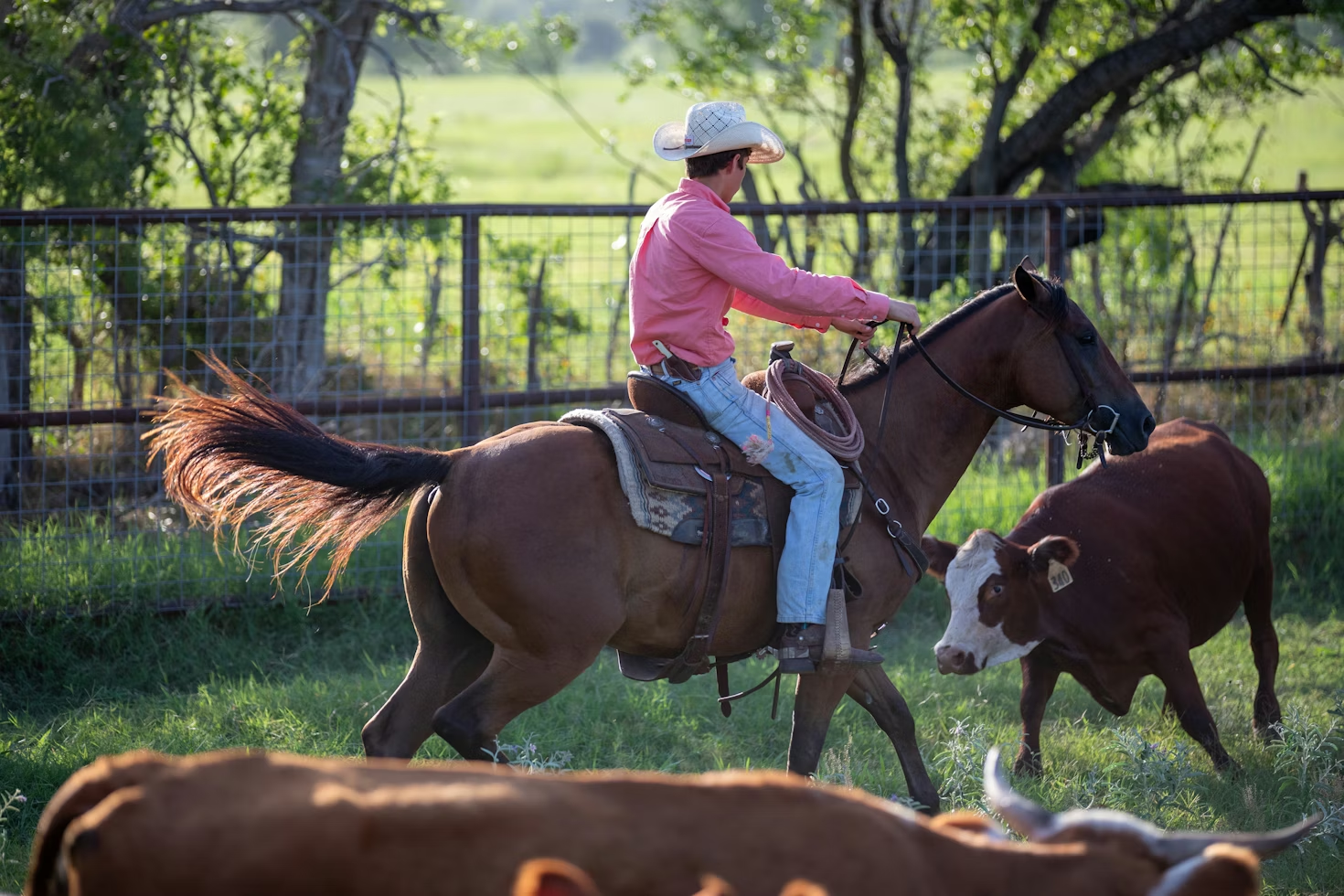
Horses occupy a distinct place within holistic management, and equine health deserves particular attention because the same natural-care principles that benefit cattle, sheep, and goats apply to horses, though with some species-specific considerations worth understanding.
Forage-first feeding remains the foundation of sound equine nutrition. Horses are continuous grazers by nature, and their digestive systems function best when high-quality pasture or hay forms the core of their diet rather than grain-heavy rations. Consistent turnout and daily movement support joint health, circulation, and digestive stability in ways that stall confinement simply cannot replicate.
Equine health routines tend to place particular emphasis on mobility, hoof condition, and musculoskeletal integrity. Tendon and bone health factor more prominently into horse management than in most other livestock contexts, and these are areas where targeted natural support can make a meaningful difference. Producers working within a natural-care framework often incorporate species-specific herbal and mineral supplements, such as those offered by Silver Lining Herbs, alongside sound pasture management and consistent movement to maintain soundness over time.
Horse health, approached this way, follows the same logic as the rest of this article: a consistent environment, appropriate nutrition, and reduced physical stress produce better long-term outcomes for the animal.
Progress doesn't always announce itself, but there are reliable markers that tell producers whether holistic management is producing real results over time.
Body condition scoring, coat quality, hoof health, and reproductive performance are the clearest indicators. Animals maintaining healthy weight on pasture alone, cycling consistently, and showing strong feed efficiency are reflecting a system that is working. Reduced disease frequency and lower veterinary intervention rates across consecutive seasons are equally telling signs.
Basic recordkeeping makes these patterns visible. Tracking weight gain, conception rates, and pasture management cycles across seasons allows producers to compare periods honestly rather than relying on impression. The timeline matters too. Improvements in animal welfare and overall herd condition through natural care typically emerge gradually, building across grazing cycles rather than appearing after a single change. Patience with the process, paired with consistent observation, is what separates producers who see lasting results from those who abandon the approach too early.
Certifications provide a useful layer of external verification, but they work best when producers and consumers understand exactly what they confirm and what they leave open.
.jpg)
Labels like USDA Organic, Animal Welfare Approved, and Certified Humane each carry distinct standards. USDA Organic addresses feed inputs and prohibits synthetic pesticides and hormones. Animal Welfare Approved focuses specifically on animal welfare, requiring pasture access and prohibiting intensive confinement. Certified Humane sets defined benchmarks for space, handling, and environmental enrichment across species.
What these certifications cannot do is guarantee the day-to-day management quality that determines whether animals actually thrive within those standards. A certified operation still depends on how attentively staff observe animals, maintain pastures, and respond to early signs of stress or illness. For consumers, certification provides a reasonable baseline for trust. For producers, it functions as a benchmarking tool that signals commitment to defined practices, not a substitute for the consistent, hands-on management that the rest of this article has outlined.
Healthier livestock rarely result from a single change. What the evidence consistently points to is a system where pasture management, nutrition, stress reduction, and preventive care reinforce each other over time.
Rotational grazing builds the foundation by keeping land productive and reducing parasite pressure. Nutrition drawn from quality forage and balanced minerals supports immune function without relying on routine interventions. Stress reduction through better handling and housing protects both animal welfare and productive performance simultaneously.
Regenerative agriculture frames all of this as a coherent whole rather than a collection of isolated practices. Applied consistently, these natural methods build resilience that compounds across seasons, producing animals that cope better, perform more reliably, and require less corrective care along the way.






.svg)
