
.png)
Pest Control Mistakes That Compromise Your Home's Safety and Sustainability
Green Hive Editorial Team
June 21, 2023
The most sustainable mulch project starts with a tape measure, not a cart. Here is how to measure, pick the right depth, and buy only what your beds can actually use this season.

Green Hive is reader-supported. When you purchase through links on our site, we may earn an affiliate commission. To understand our thorough approach to rating brands and products, explore our comprehensive methodology.
Green Hive is reader-supported. When you purchase through links on our site, we may earn an affiliate commission. To understand our thorough approach to rating brands and products, explore our comprehensive methodology.
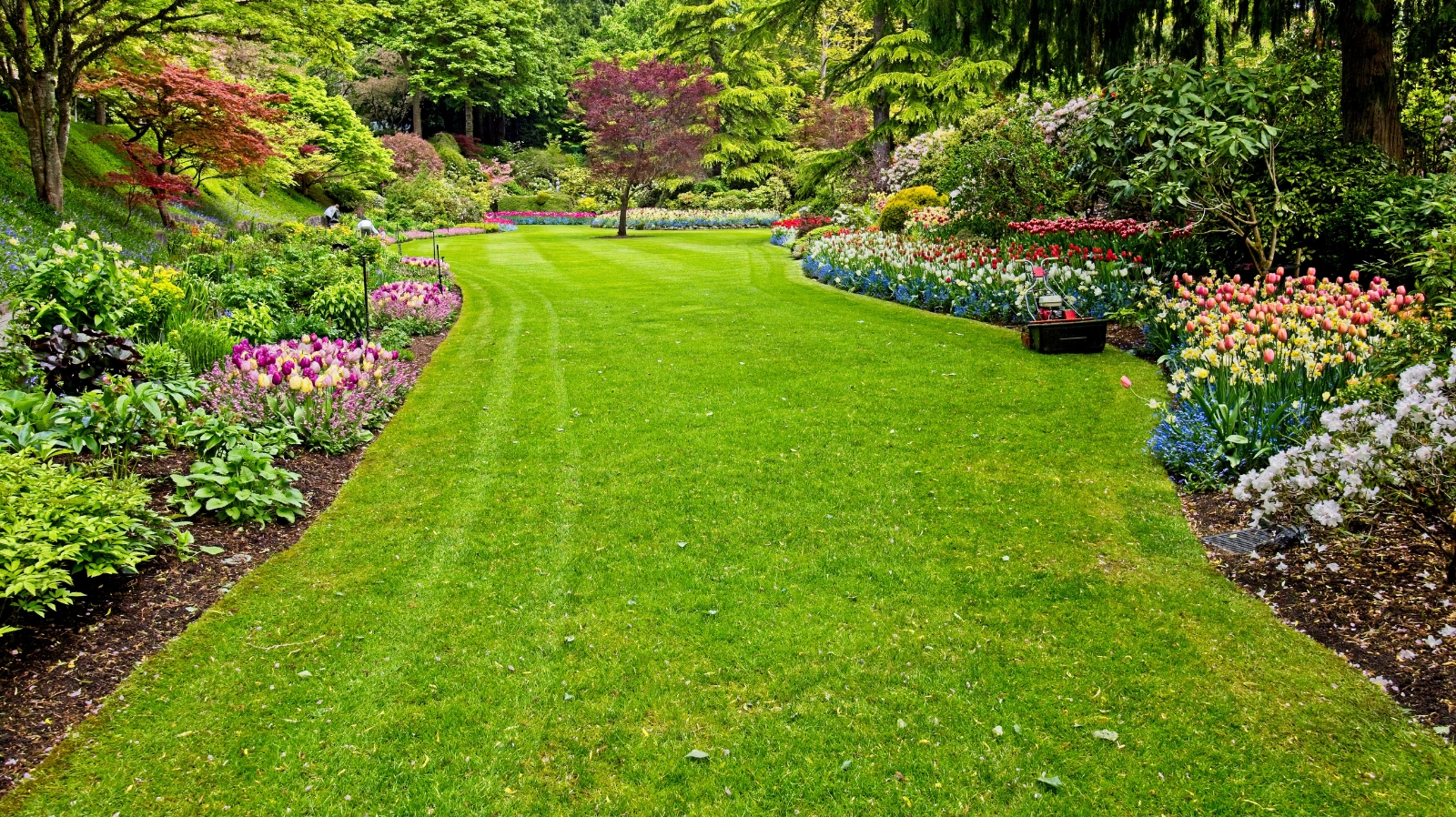
A mulch project usually looks simple right up until the shopping part. The bed seems small from the driveway, so a few bags feel safe. Then the layer comes up short, or the opposite happens, and two damp bags sit by the garage for the rest of the season.
That is why the most sustainable mulch project often starts with a tape measure, not a cart. A little planning helps you buy the right amount, cut down on packaging, skip the extra store run, and avoid materials that look practical on the shelf but make little sense once they hit the yard.
Most overbuying starts with a rough guess. A narrow side bed or front border can look tiny until you measure it properly. Once the numbers are on paper, the project usually feels less fuzzy.
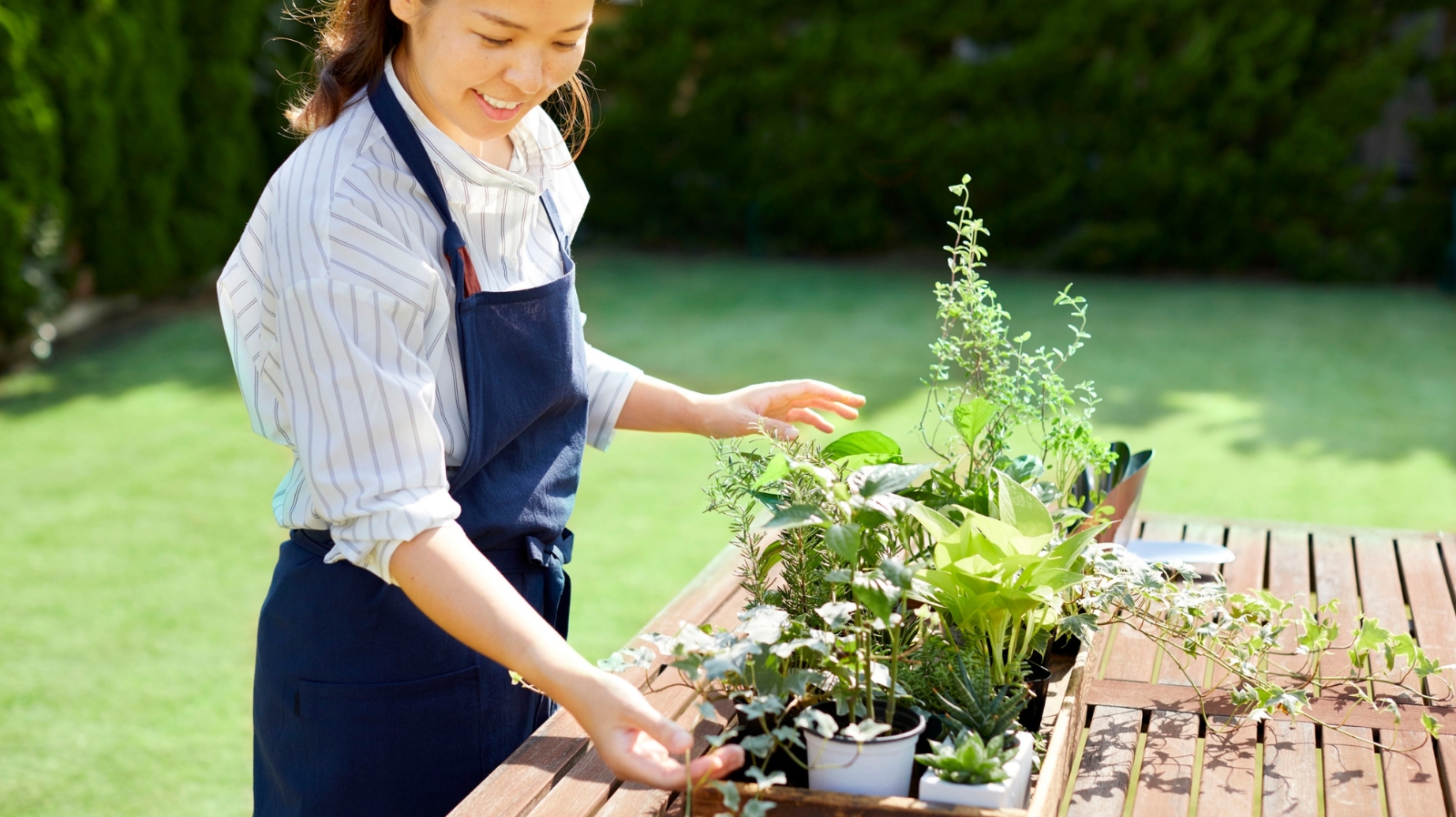
For a simple rectangular bed, multiply the length by the width. If you are working with a few identical sections, such as three matching borders along a fence, count the quantity too. A tool like this square footage calculator can help you total the area and estimate the cost before you buy anything.
That first step matters more than people think. A bed that looks like a quick top-up can easily turn out to be 80 or 100 square feet. Once you know the size of the space, you can stop shopping in round numbers and start shopping for the job itself.
Depth changes the whole order. An extra inch spread across a modest bed can mean several extra bags, more weight to haul, and more leftover material to store.
In many home landscapes, a mulch depth of about 2 to 4 inches works well, though the right number depends on the material and the planting area. According to Iowa State University Extension and Outreach, coarser mulches usually sit at the higher end of that range. In comparison, finer mulches tend to work better at the lower end in many beds and gardens.
A vegetable bed with small starts needs a lighter hand than a shrub border. A mature planting under trees can handle something deeper than a row of young herbs. Small choices like that keep the project from becoming wasteful in both directions. Too little mulch does little. Too much can smother small plants, trap moisture where you do not want it, and leave you pulling material back by hand.
Plenty of mulch products carry a green-sounding label, but the better question is a more practical one: what fits the bed and what is likely to be used rather than wasted?
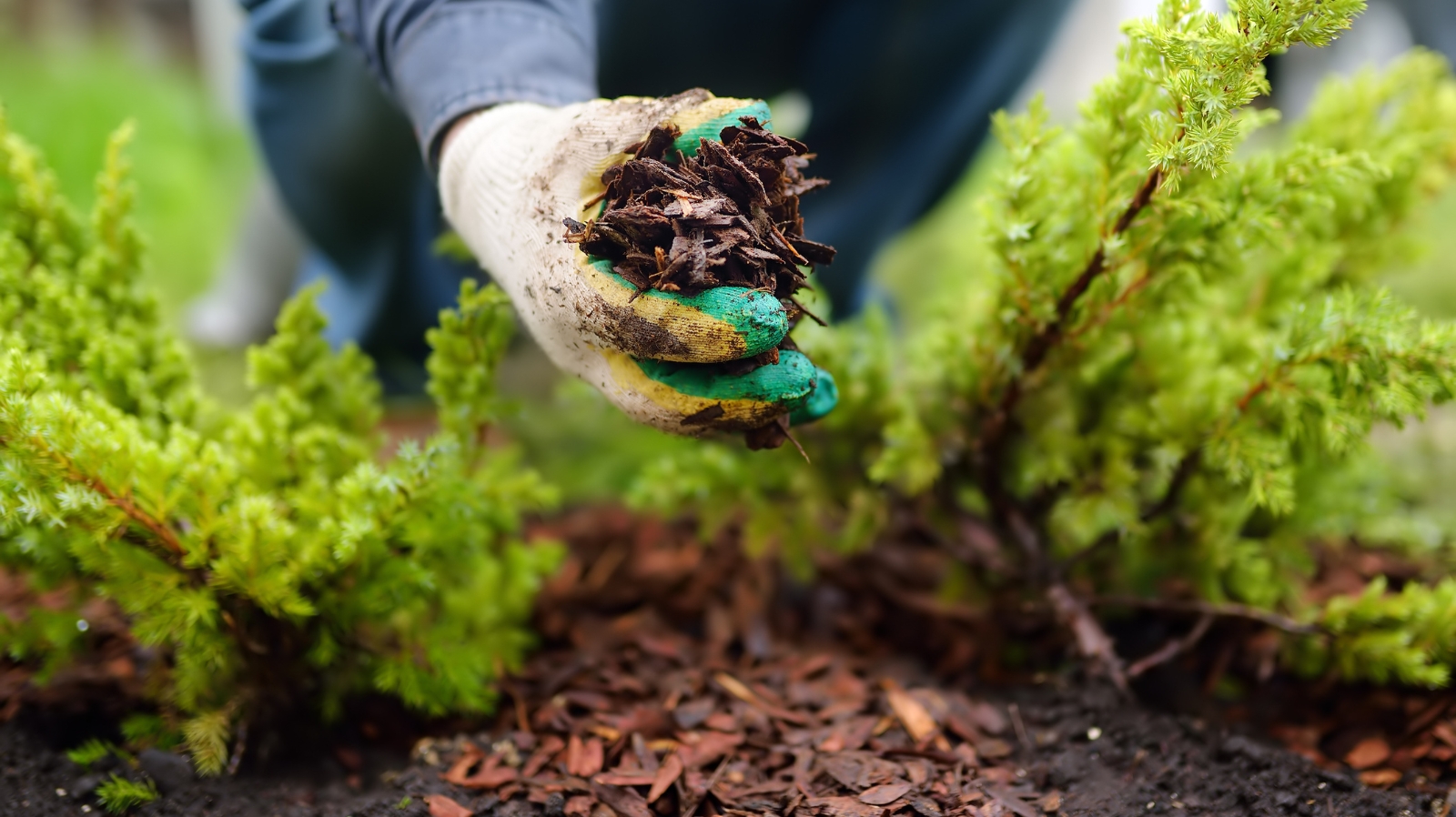
For many yards, the better options include untreated bark, local arborist wood chips, pine straw, shredded leaves, or compost used as a light mulch in the right spot. Each one comes with trade-offs. Wood chips can look rough in a formal entry bed, but they work well around trees and larger borders. Shredded leaves are easy to reuse if you already have them on hand. Compost can help feed the soil, but it does not behave exactly like bark mulch in every setting.
We touched on the same idea in our guide to green living: the greener choice often starts with using fewer new materials and making better use of what is already close by.
That point applies in the yard, too. A bagged product shipped long-distance in plastic wrap may not be the smartest option for a small patch that you could cover with leaves, local chips, or a smaller amount of untreated mulch.
Bagged mulch works well for tidy, smaller projects. It is easy to move, easy to store for a day or two, and easier to manage if you only need a limited amount.
Bulk mulch often makes more sense once the project gets larger. You usually cut down on packaging, and you can order closer to the amount you actually need. The trade-off is scale. A tiny front strip or a few containers rarely justify a bulk delivery, while a long side yard often does.
If you are mulching pots, balcony planters, or a very small outdoor corner, our guide to apartment gardening can help you think through whether a compact planting setup may suit the space better than treating it as a full landscape bed.
Once you know the square footage and the depth, you can turn the project into something more useful than a guess. This mulch calculator can help you estimate the mulch volume, bag count, weight, and cost from the area and depth you already measured.
That is the point where a vague Saturday errand becomes a plan.
Say the bed is 6 feet by 12 feet. That gives you 72 square feet. At a 2-inch depth of 2 inches, you need about 12 cubic feet of mulch. If the bags you are comparing hold 2 cubic feet each, that lands at roughly 6 bags.
Numbers like that do two useful things at once. They keep you from grabbing ten bags just to feel safe, and they help you compare whether a small bulk order would actually cost less.
A low-waste mulch project can still go sideways if the material itself creates problems later.
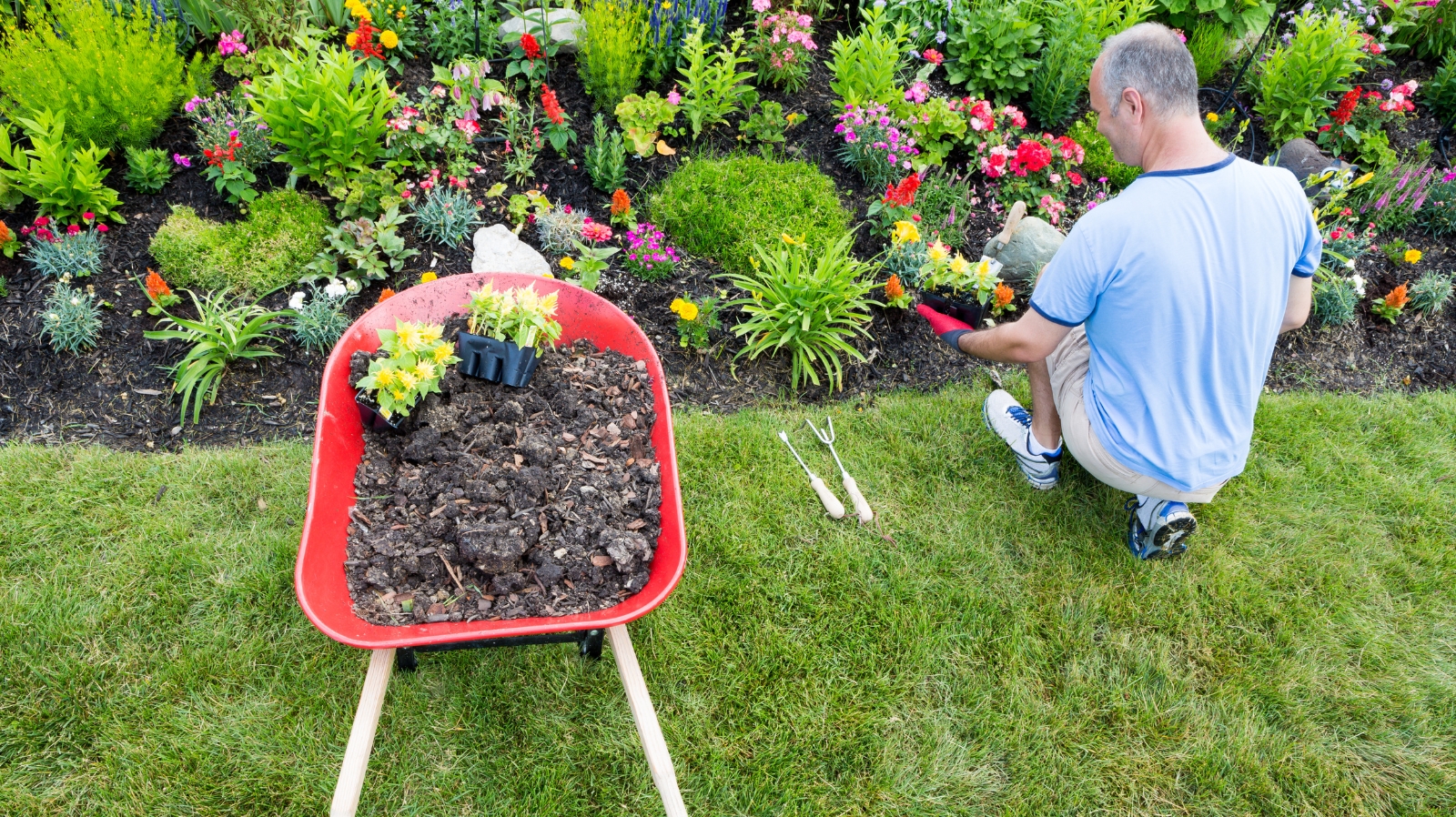
Dyed mulch may look neat on day one, but it is not always the best fit for an eco-focused yard, especially if you are trying to keep inputs simple and as close to their original state as possible. Rubber mulch raises a different set of concerns, since it is not biodegradable and does not improve the soil as organic mulches break down. Plastic weed barriers can also create a frustrating clean-up job later, especially once roots, soil, and shredded fabric all start tangling together.
The cleaner route is usually less dramatic. Buy the amount the bed can use now. Pick a mulch that fits the plants and the space. Leave a little breathing room around stems and trunks. Then use the leftovers only if you already know where they are going.
A good mulch job does not need much drama. The border holds moisture better, weeds have a harder time getting started, and the bed looks finished without that thin, patchy look that sends people back to the store.
The planning side carries most of the environmental value. Measuring the area, choosing a sensible depth, and buying an amount you can actually use will usually do more for the project's footprint than chasing the loudest eco claim on the bag.
When the numbers are right, the job tends to end the same way. The bed looks done, the car is empty, and there is no half-torn bag slumping against the garage wall a month later.




.svg)
